
Stories
News






Analysis








Voices







Podcast


Announcements





Events



All Stories

Return to Materialism: COVID-19 Fieldnotes for Upstanders
Łukasz W. Niparko writes: In recent days, we have read enough dystopian visions of the post-COVID world. I do not want to write another one. Because in the hands of upstanders rests the choice between dystopia, maintenance of the status quo, or perhaps a quasi-utopian victory for all of humanity. While being under lockdown, or while on the subway, we have the choice to rethink the losses of the past 30 years and be upstanders before others steal the few freedoms we still have left.
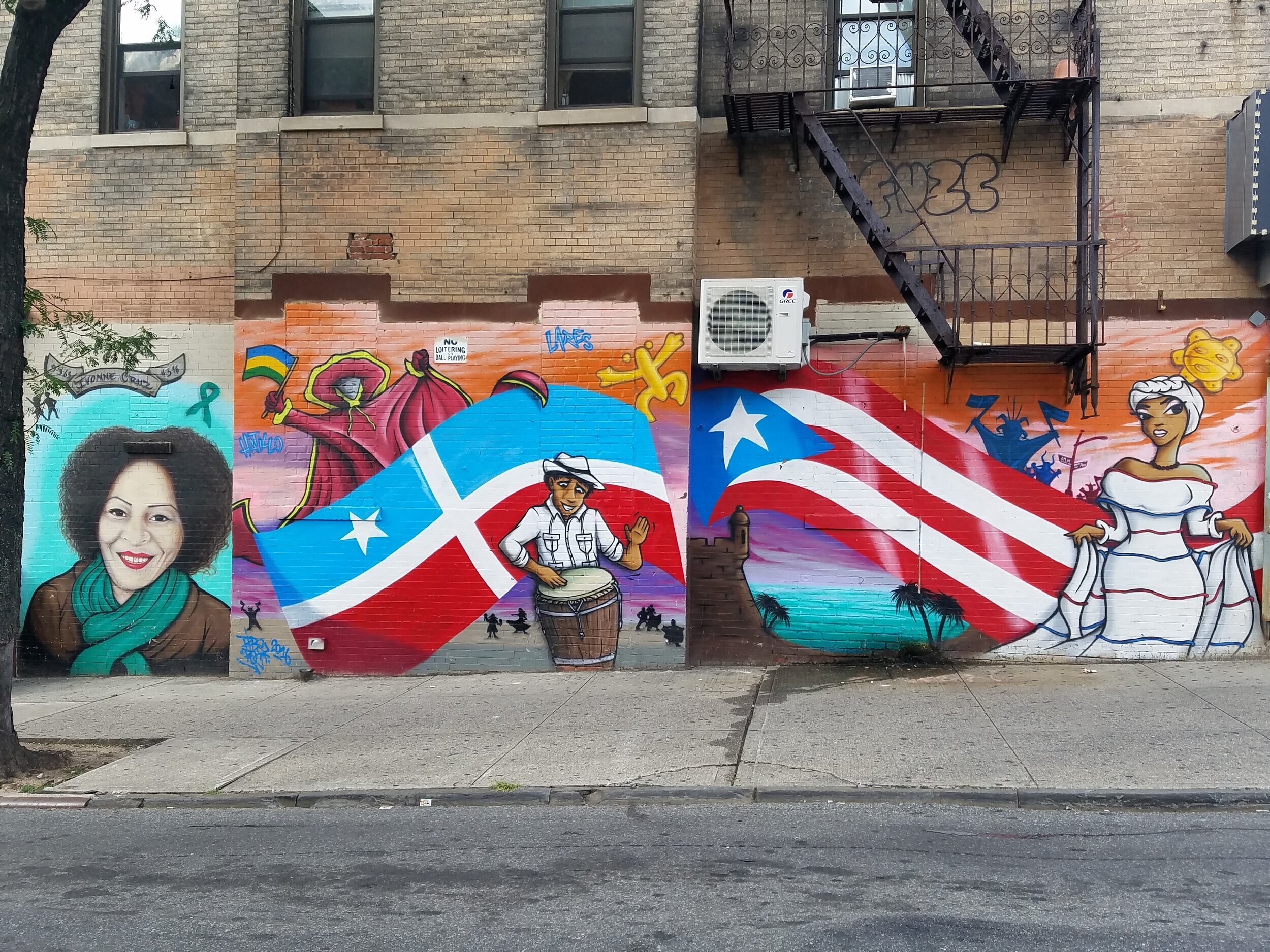
Setting the Foundation for Gentrification in Sunset Park, Brooklyn
How do racial capitalism, the politics of corporate branding, and the “shock doctrine” converge in the ongoing gentrification of Sunset Park, Brooklyn? Iman Maani explores this question in her first installment for “Glocal Dispatches,” our series focusing on how globalization impacts local communities.
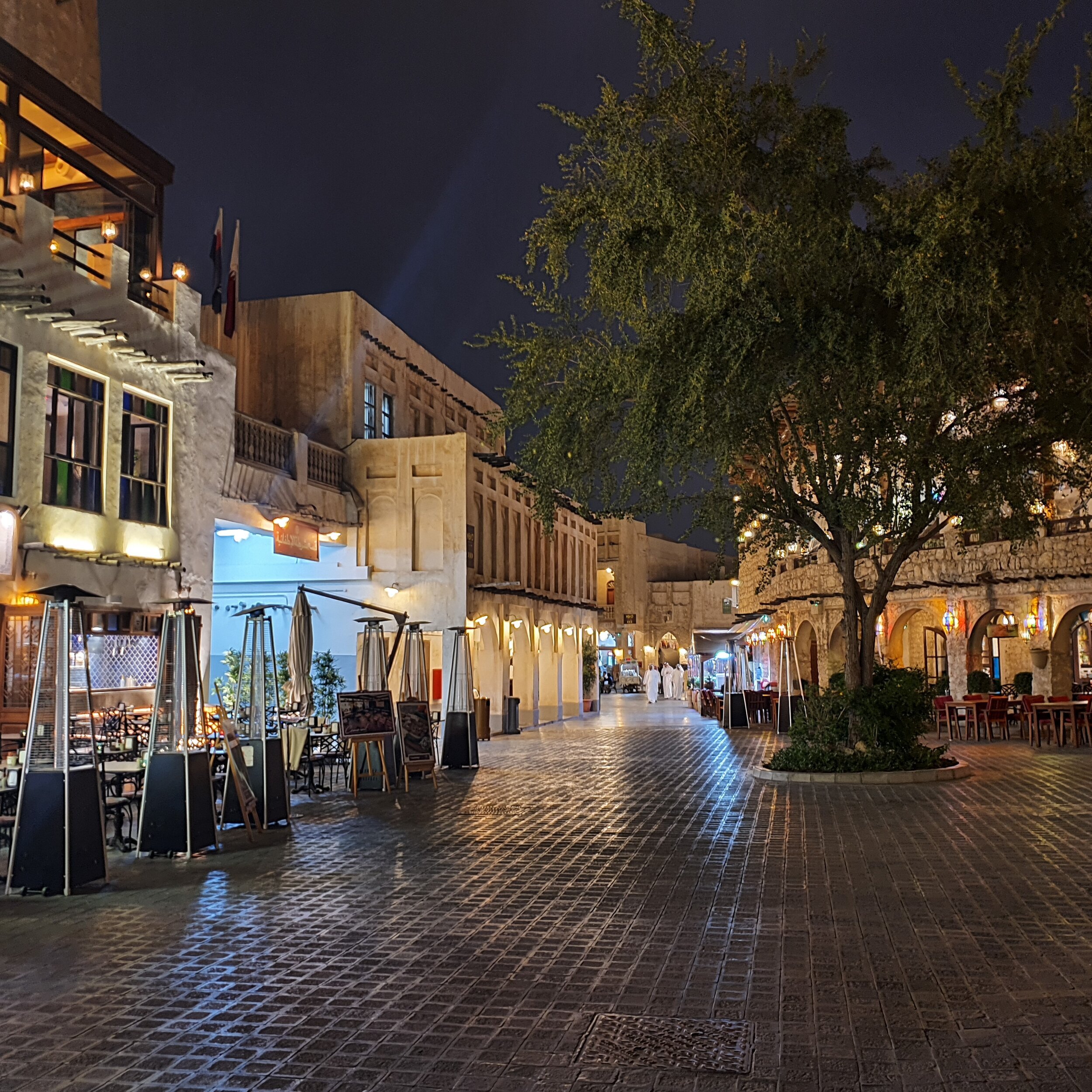
If the Gaza blockade was a virus, would the world react differently?
Ali Abusheikh writes from Doha, Qatar amidst the COVID-19 crisis, but he is also thinking of his home - Gaza. ““I sympathize with the world. I understand people's fear. Why wouldn't I? I already know what it is like to be stuck at home for weeks when it is not safe to go out. (And in the case of Gaza, staying at home isn't enough to protect you; Israeli missiles can just as easily find you there.) I already know how it feels to unexpectedly have to cancel weddings and other special occasions. I grew up being unable to travel.”

Block Island Sparks Groundbreaking Global Change: The Shift from Fossil Fuel to America's First Wind Farm
As part of our Glocal Dispatches series, Nancy Lucier takes us to Block Island, Rhode Island, site of the first offshore wind farm in the United States. “This unique energy system embodies [Naomi] Klein’s hope of achieving community-controlled energy. I claim the concept of community-controlled energy promotes forward-looking models in the U.S., such as wind turbines challenging the dominant corporate view that fossil fuel is America’s primary source of energy.”
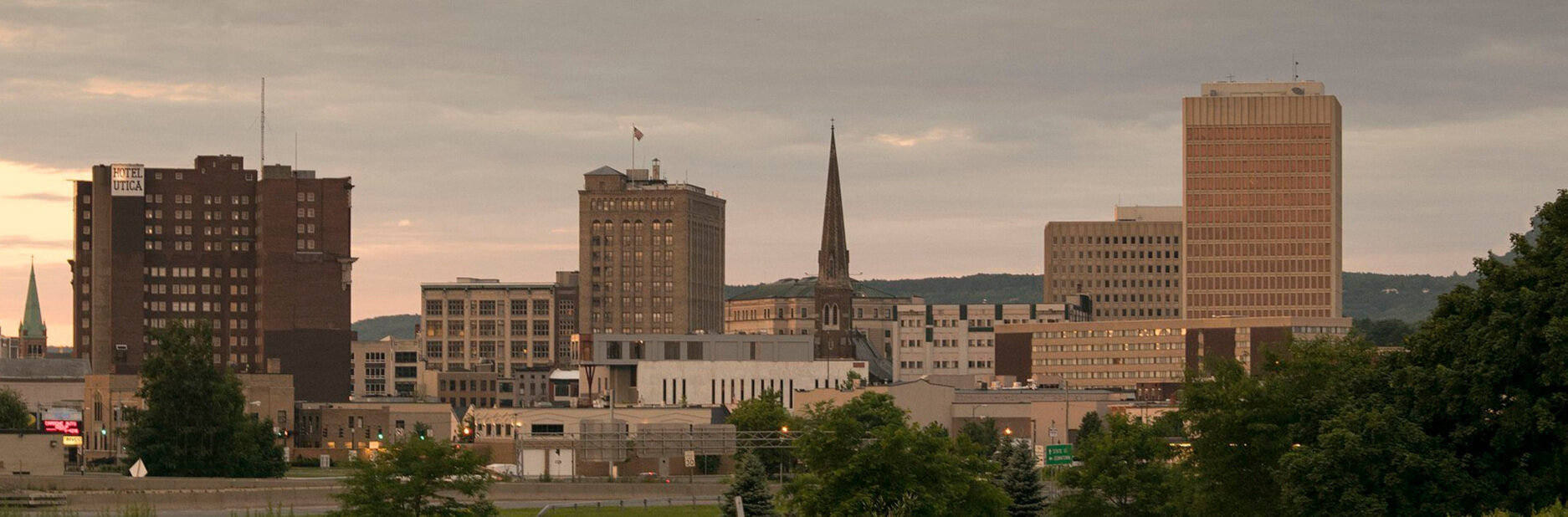
How the Trump Administration’s Refugee Cuts Are Harming Utica, New York
By Ayla Schnier
Once thought to be a permanently-forgotten Rust Belt city in Upstate New York, Utica has recently made a cultural and economic comeback thanks to an influx of refugees. However, the Trump administration’s refugee cuts -- the most drastic in US history -- are harming this small city’s prosperity. The rationale for these cuts is rooted in several global patterns, and bouncing back from their consequences won’t be easy. But Utica isn’t ready to give up without a fight.
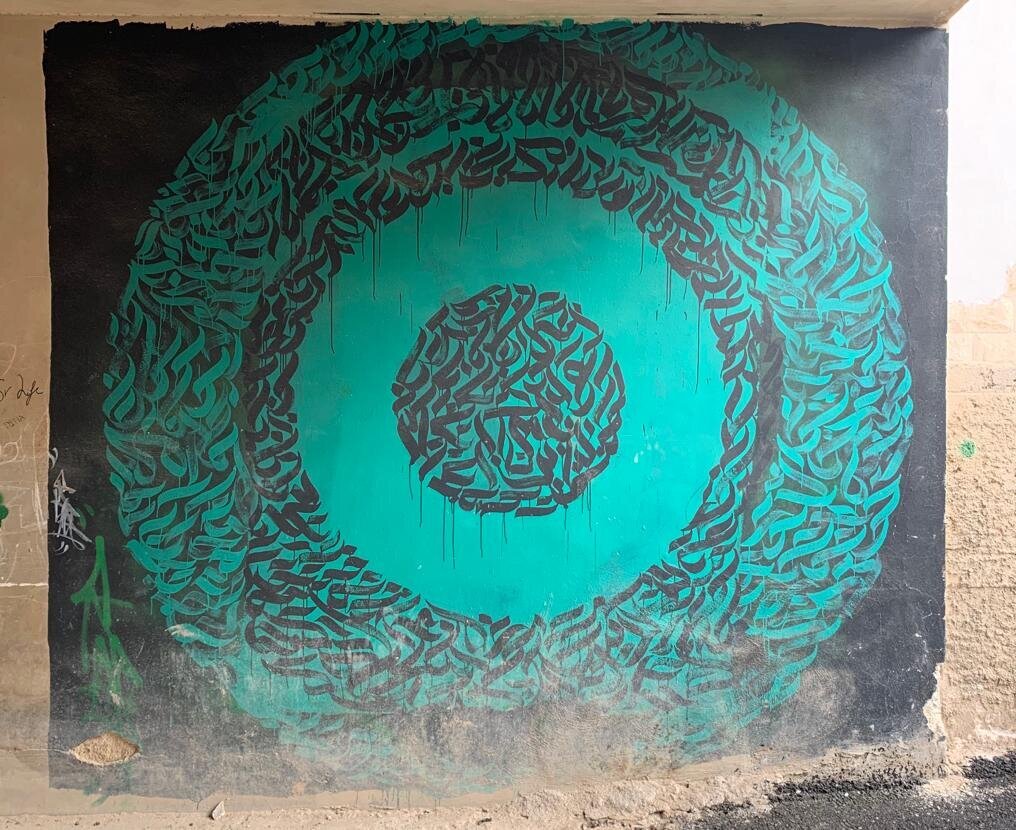
Arabic Calligraphy in Street Art
By Cassandra Kunert
In her third post for our Weaving the Streets series, Cassandra Kunert takes a look at some of the artists who use Arabic calligraphy as a key element of their street art in Beirut and Amman. “Artists like El Qaqa and El Seed have embraced calligraphic tradition and in doing so have enriched the street art scenes in their communities,” she writes. These artists never viewed street art as an imported practice….By using traditional elements in non-traditional ways, El Qaqa, El Seed, and countless others have contributed to the development of unique art scenes that represent pride in their identity while also showing great respect for their community’s artistic heritage.”
Amman: A Blank Canvas For Public Expression
By Cassandra Kunert
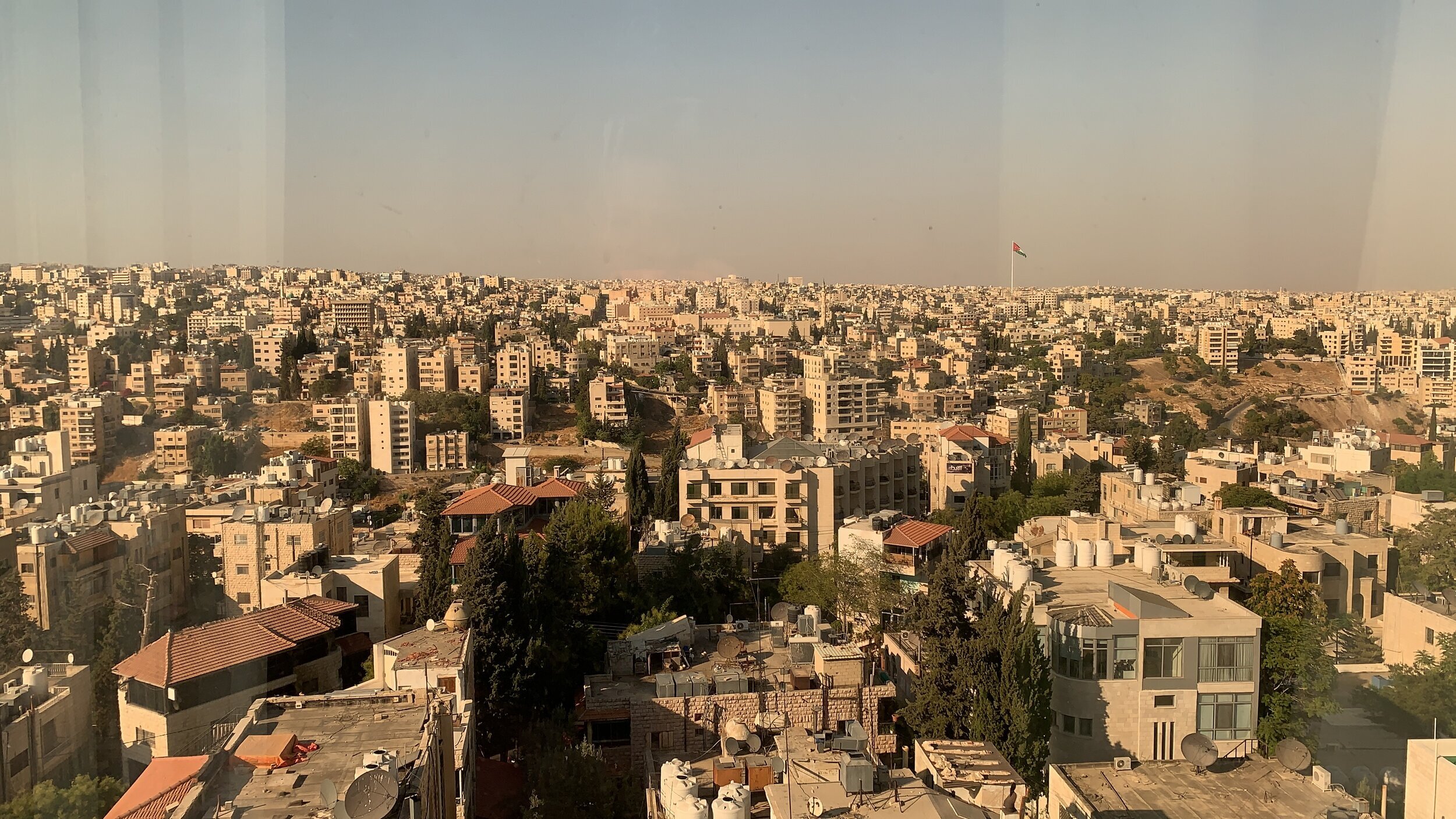
In her second contribution to our Weaving the Streets series, Cassandra Kunert checks in from Jordan’s capital, Amman. “While the street art movement in Amman is only beginning to emerge, the artists have taken the blank canvas of the city to express both the personal and the public,” she writes. “Inshallah, in the years to come they will continue using public spaces for artistic expression.”

Expressing Unity and Revolution: Lebanon 2019
By Cassandra Kunert
In her first installment for our Weaving the Streets project, Cassandra Kunert reports on what she observed when she went to Beirut, Lebanon, in search of street art - only to find a city whose population was rising up in huge numbers against the existing political and economic order.
Freiburg's Dietenbach Decision: Considering the Anti-Build Argument
By Brendan Reilly
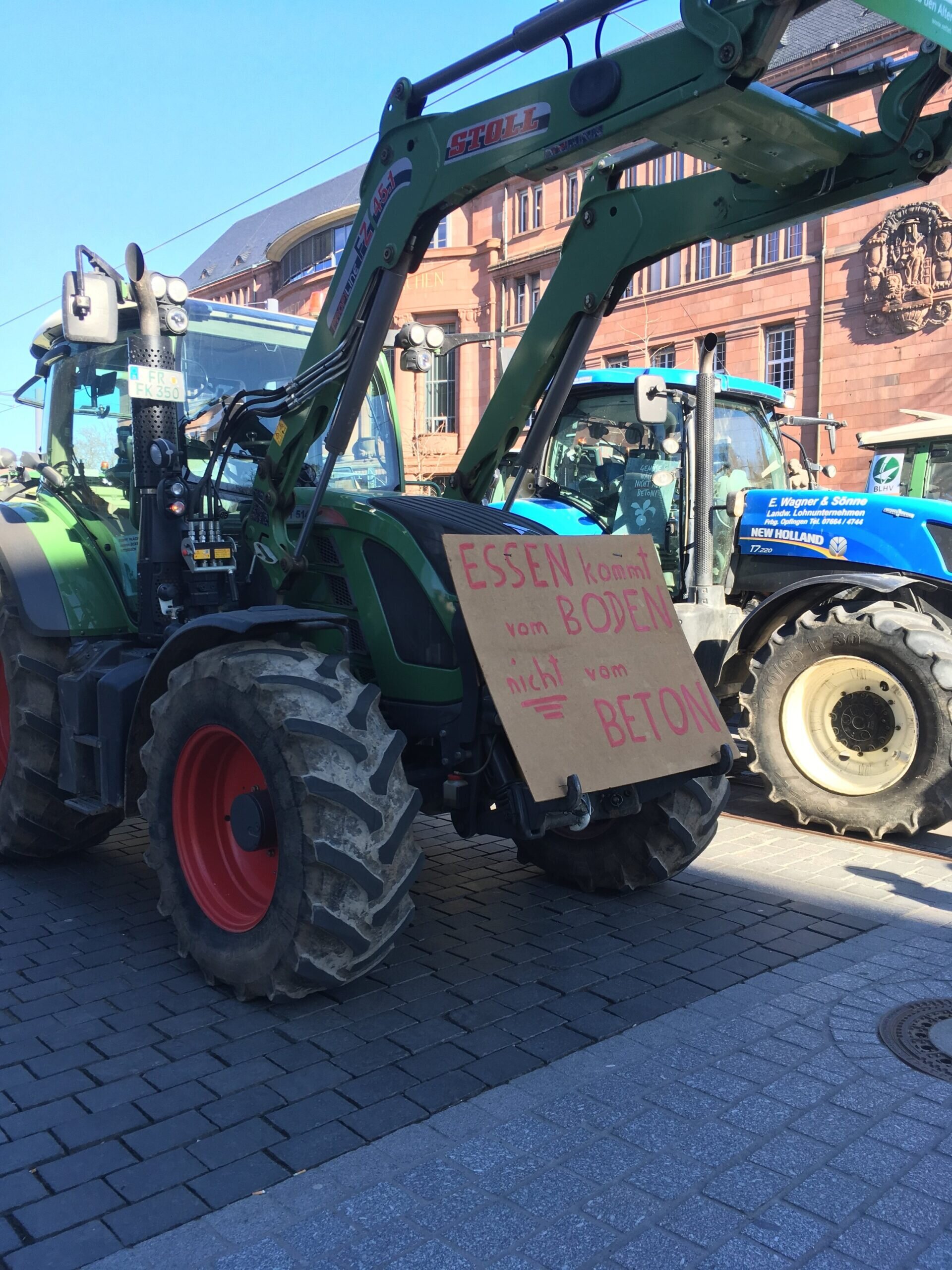
In the final installment of his three-part “Weaving the Streets” series, Brendan Reilly looks into the perspective of Freiburg, Germany residents who oppose the decision to turn agricultural land outside the city into a new district featuring affordable housing. Despite the eco-friendly design of the proposed district, those in the anti-build camp are concerned about the environmental consequences as well as the impact on the region’s agrarian culture.
Freiburg’s Dietenbach Decision: Exploring the Pro-Build Side
By Brendan Reilly
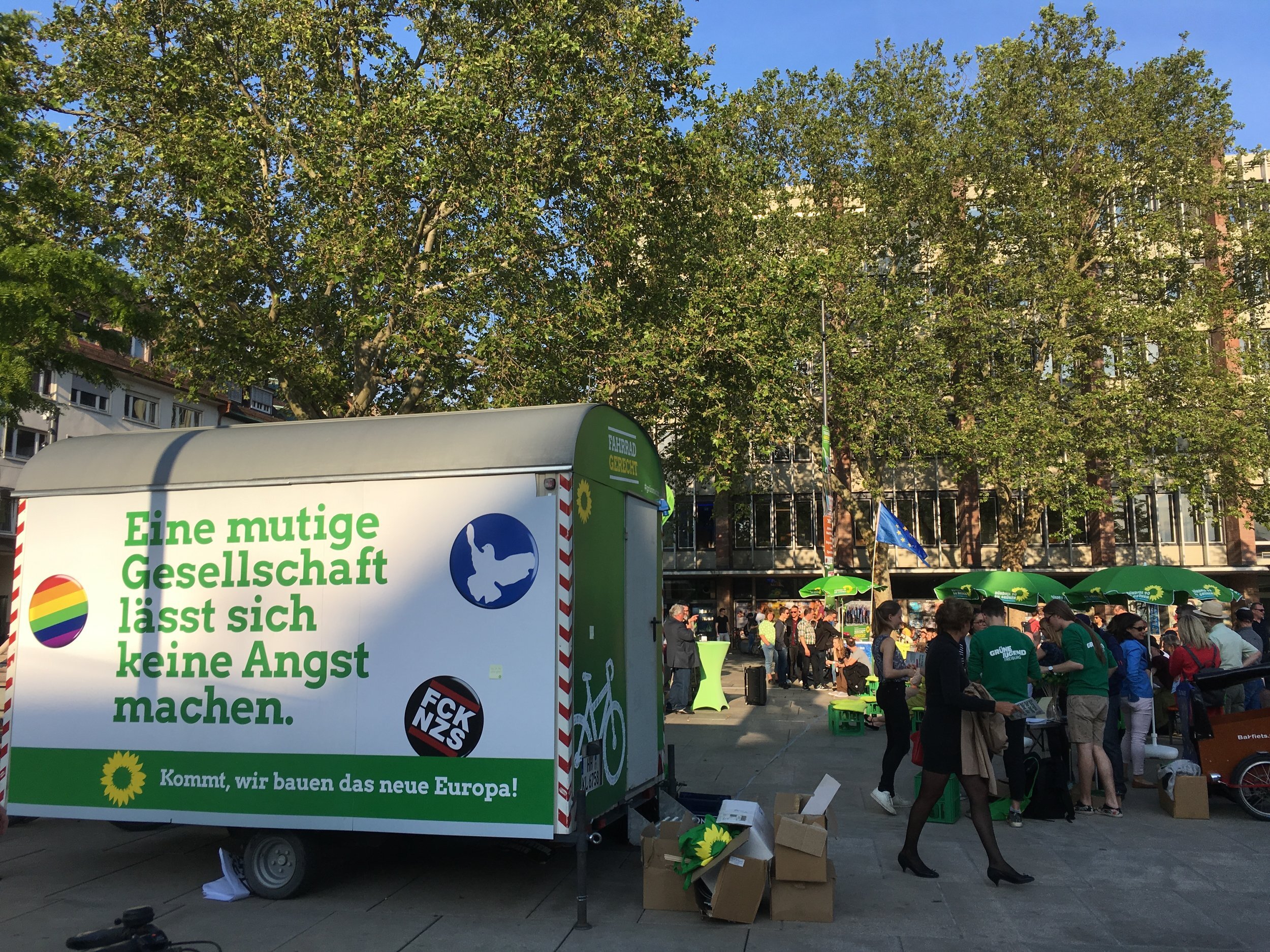
My seven months abroad have flown by–I can count the days on my fingers before I leave Freiburg, the mid-sized city in Southwest Germany. As I prepare to take my final exams and leave my Black Forest life, the farms to the northwest of town remain unscathed by the bulldozer’s touch. However, 2020 will see the start of construction for the new residential district of Dietenbach, planned to be built and ready for its first tenants by 2022. In my first blog post, I introduced this socio-ecological dilemma that has been taking place here: a debate between those seeking to preserve the nearby farmland and those in favor of construction to alleviate steep housing prices. In this post I explore the side of the issue in support of construction, examining what the positive aspects of a new city district are, and how Freiburg’s pro-Dietenbach residents present their argument.

Kia Kaha te Reo Māori: The Cultural Conservation in Māori Language Week
By Ellen Allerton
Ellen Allerton explores the complex cultural politics and public debates surrounding Māori Language Week, part of a larger effort to grapple with New Zealand’s history of colonization. While the promotion of te reo Māori (the Māori language) has generated both expressions of cultural pride and conservative backlash, it also involves troubling examples of what Allerton calls “commodification of the culture through performances and feasts that are meant purely to attract tourists.”

Impeach Trump
By William Hunt
As the impeachment debate continues within the Democratic Party, Weave News contributor William Hunt shares a letter he recently sent to Senators Kirsten Gillibrand (D-NY) and Charles Schumer (D-NY) and Rep. Elise Stefanik (R-NY). “We are living through a slow-motion coup d’etat, a steady unraveling of democratic institutions. Six more years of it and the damage may become irreparable,” Hunt writes. He also notes that “the Democrats’ obsession with winning back Trump’s white rural and working class base risks dampening the enthusiasm of some essential Democratic constituencies, among them African-Americans, Hispanics, progressive women, sexual minorities, and the young in general.”
Inside Aida and Dheisheh Refugee Camps
By Charlie Finn
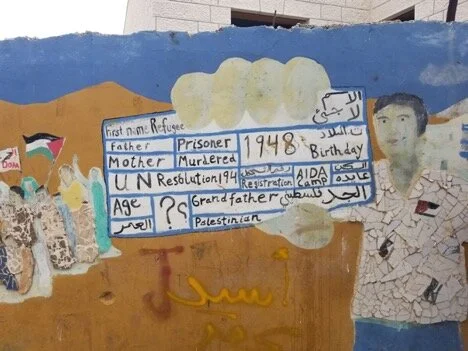
“What comes to mind when you think of a refugee camp? I had always imagined the refugee camp as filled with tents, temporary residents, humanitarian organizations, and international workers – a place for the mobile migrant fleeing war, poverty, or political unrest. But, what does a refugee camp look like when it stands in the same place for over seventy years?” Charlie Finn reports on his visit to two Palestinian refugee camps in the occupied West Bank.

Freiburg’s Dietenbach Decision: Building a Future or Bulldozing Values?
By Brendan Reilly
Activists around the world often find themselves advocating for initiatives and policies that will make their communities more livable and sustainable. But what happens when different progressive values animating such work come into conflict with each other? In the first installment of a three-part series for our Weaving the Streets series, Brendan Reilly reports from Freiburg, Germany on a local debate that pits affordable housing against the desire for “green living.”

NPR and Angela Davis: A Tale of Mythology and Missed Opportunities
By John Collins
At a time when socialism is enjoying a resurgence and the structural flaws of capitalism are coming under greater scrutiny, when the evils of mass incarceration are being openly discussed, when even US support for Israel is on the table for debate in Washington, there is no better moment to seek out the prophetic voice of Angela Davis. Yet as John Collins notes in this news analysis piece focusing on National Public Radio (NPR), her voice is rarely found in the broadcasts and pages of US establishment media.
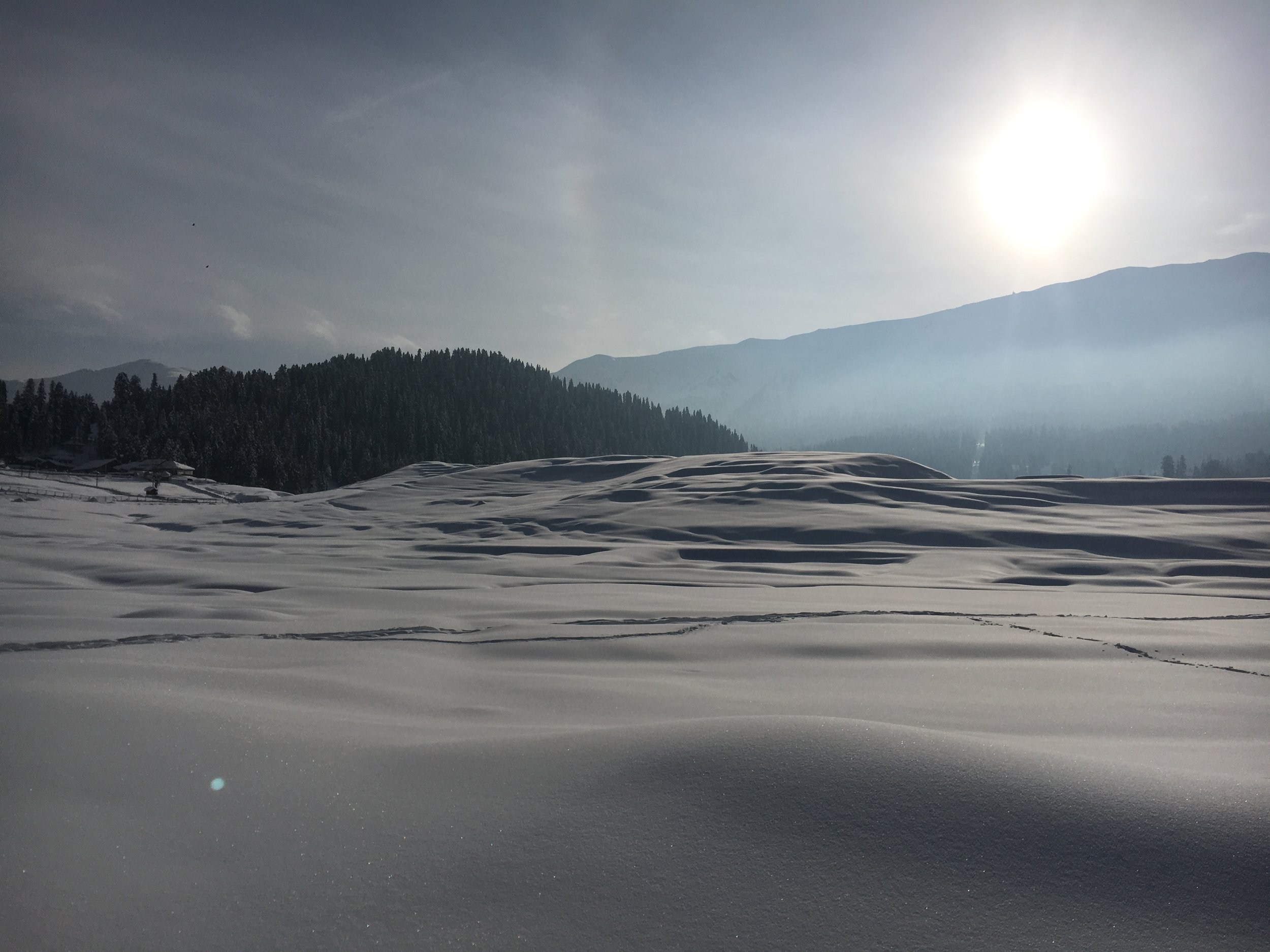
Scarred Childhoods of the Kashmir Conflict
By Ifat Gazia
“I want children of the future to have memories different than my own - so that when they remember the sunshine, it is not in the pain of loss, in the heat of flames,” write Ifat Gazia in her first piece for Weave News. Gazia has lived through the daily reality of militarization in Kashmir, where the impact on ordinary people is tremendously underreported. Join her on this journey of memory, anger, and hope.


Echoes of Sandino: Artists Respond to Nicaraguan Violence
By Torri Lonergan
In the latest installment of our Weaving the Streets project, Torri Lonergan reports on a new art exhibit in Costa Rica that features creative, critical perspectives on the ongoing political violence in neighboring Nicaragua.

“Xenophobia Stinks”: The Politics of Nicaraguan Immigration in Costa Rica
By Torri Lonergan
As political violence continues in Nicaragua, neighboring Costa Rica is receiving a significant number of Nicaraguan refugees. In recent months, Costa Rica has seen an upsurge in anti-immigrant sentiment as well as popular demonstrations in support of the refugees. Torri Lonergan reports from Costa Rica in her second installment for our Weaving the Streets project.
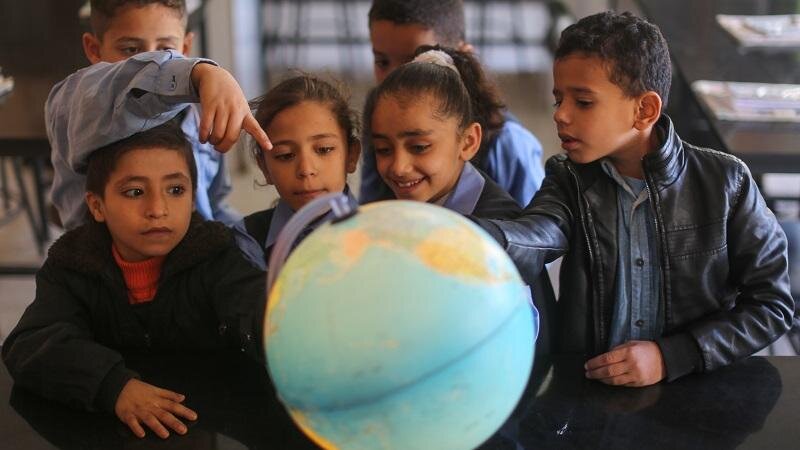
UN Funding Cuts Jeopardize Deaf Children in Gaza
By Asmaa Tayeh
Zeyad Aabed has devoted his career—26 years—to running an NGO dedicated to offering education and health services to the deaf. It was, to say the least, a labor of love. But now, much of the funding on which his NGO depends is drying up. And today, he feels exhausted and depressed, fearful he will have to close the El-Amal Rehabilitation Society altogether. (Reposted from We Are Not Numbers)