The Silence of Cyclone Harry: Deaths in the Mediterranean Reveal the Toll of Climate Crisis and Institutional Indifference
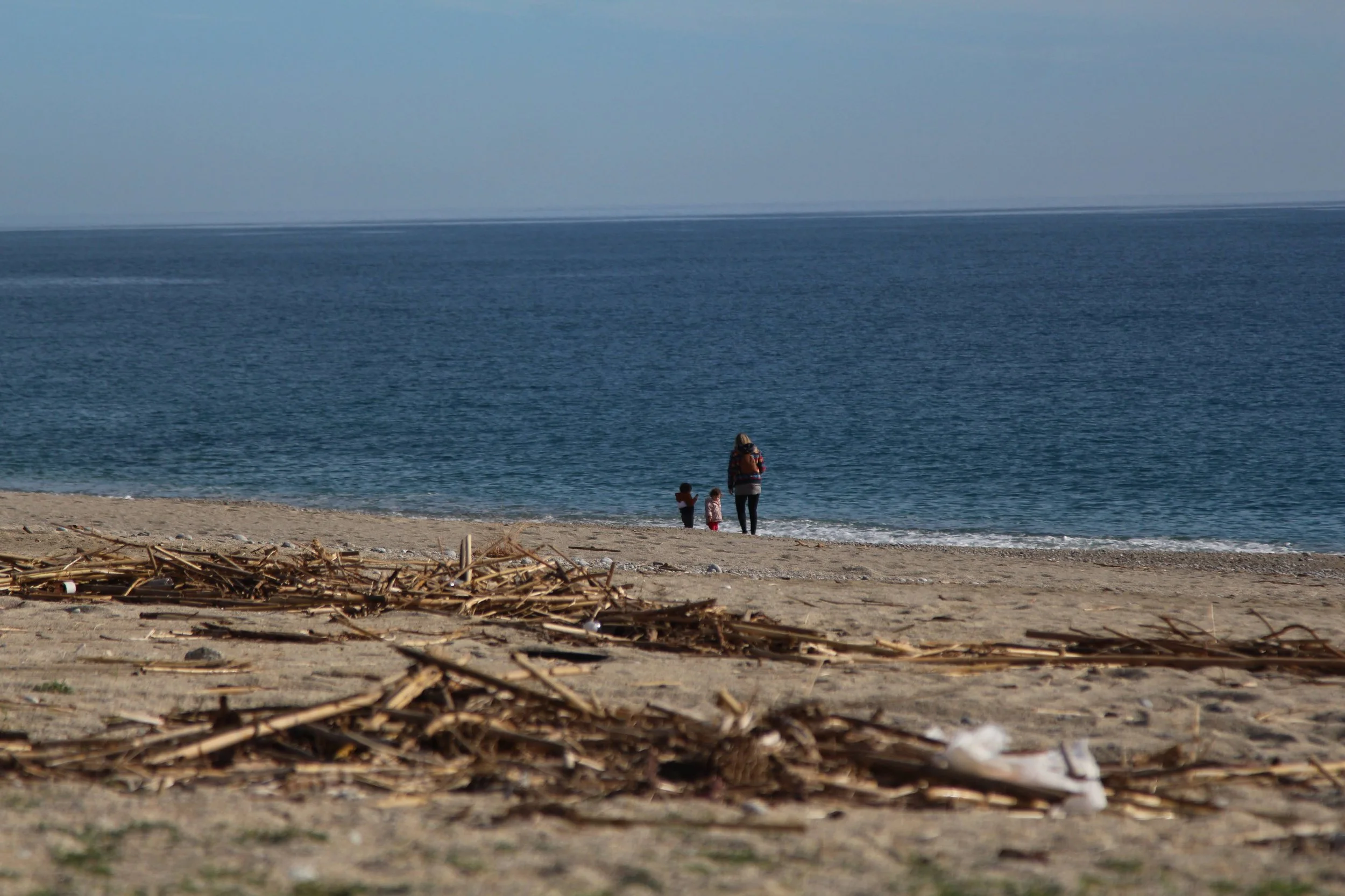
The Tyrrhenian Sea still bears the marks of Cyclone Harry, with waves slowly settling after the storm’s violence. Along the shore, debris, broken wood, and scattered wreckage reveal the force of the cyclone, leaving behind a quiet but haunting aftermath. (Photo: Carmen Critelli)
Last February, the sea along the Tyrrhenian coasts of Calabria and the western shores of Sicily began returning the dead.
According to a report published by Il Manifesto, 14 lifeless bodies believed to belong to people on the move were discovered along the coastline or recovered offshore between February 6 and 17, 2026. Determining the exact time and cause of death is difficult. Yet many investigators believe the victims may have died in a series of shipwrecks during Cyclone Harry, the violent storm system that battered southern Italy between January 18 and 21.
A grim death toll
Along the coast of Calabria alone, four bodies have been found.
In the province of Cosenza, three separate discoveries were made: one in Scalea on February 8, another in Amantea on February 12, and a third near Paola on February 17. Also on February 17, a fourth body was discovered on the beach of Le Roccette in Tropea, in the province of Vibo Valentia.
The discovery in Tropea was made by a group of high school students during an outing near the shoreline. “It was a terrifying scene,” they reportedly told La Repubblica.
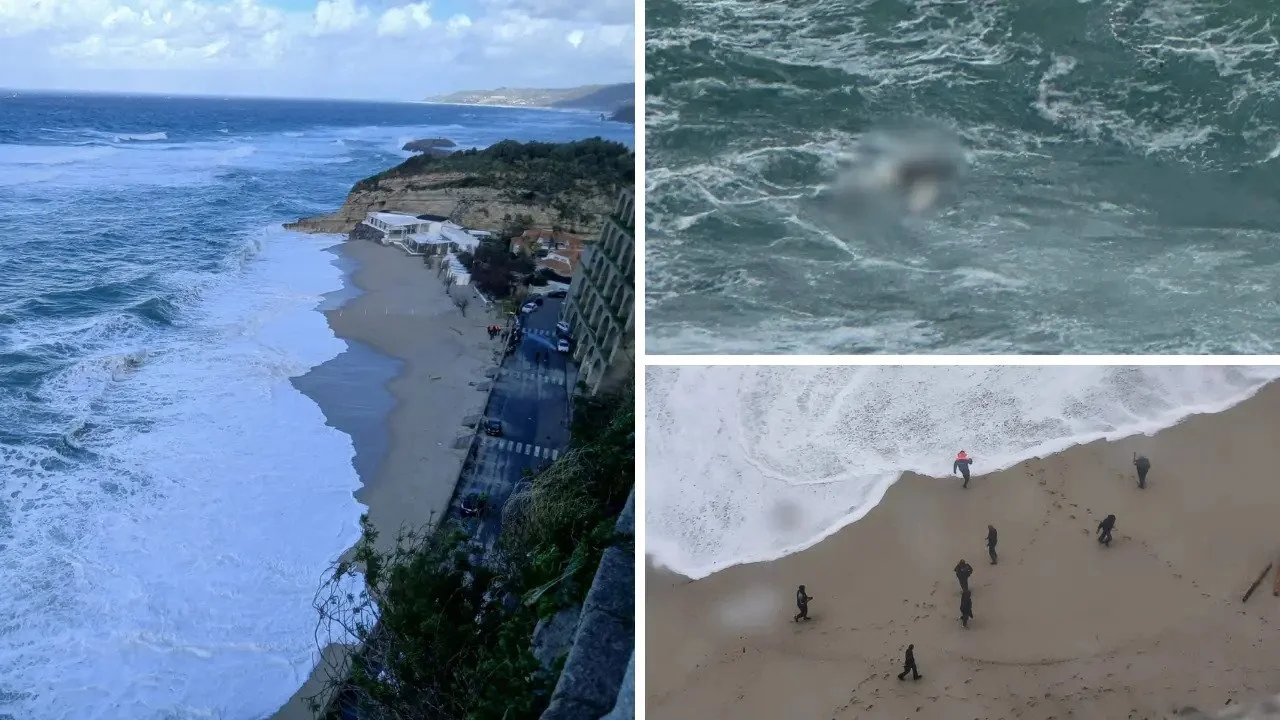
One of the bodies was found in Tropea, Calabria (Photo: Il Vibonese)
Further south, the western coast of Sicily has revealed even more victims. Between February 5 and February 16, ten bodies were recovered along the coastline and offshore waters. Five were retrieved during two separate operations off the island of Pantelleria. Others were discovered in San Vito Lo Capo, Marsala (where one victim was still wearing a life jacket), Trapani and Petrosino. The most recent recovery occurred near Frassino, a hamlet of Custonaci.
The deadly impact of a catastrophic storm
Prosecutors in Paola and Vibo Valentia have opened investigations and ordered autopsies. The advanced state of decomposition of many of the bodies suggests they may have died days, possibly weeks, earlier.
One of the most plausible hypotheses links the deaths to the violent weather conditions brought by Cyclone Harry.
The storm system was exceptionally powerful. In mid-January 2026, it struck Sicily, Calabria, and Sardinia with hurricane-force winds, torrential rainfall, and enormous waves across the central Mediterranean. Meteorological services reported gusts exceeding 100 kilometres per hour and waves reaching up to nine metres in height in the waters between Sicily, Tunisia, and Sardinia.
These conditions are catastrophic for small migrant boats attempting to cross the Mediterranean.
Although Italy’s Civil Protection credited early warnings and emergency measures with preventing casualties among the resident population, the same cannot be said for those attempting the sea crossing. International reports suggest that the storm may have contributed, directly or indirectly, to hundreds of migrant deaths. Some humanitarian organizations estimate that as many as one thousand people could be missing and presumed drowned after departures from North Africa during the days surrounding the storm.
The damage to the land was also severe. Landslides, coastal erosion and flooding struck already fragile territories across southern Italy.
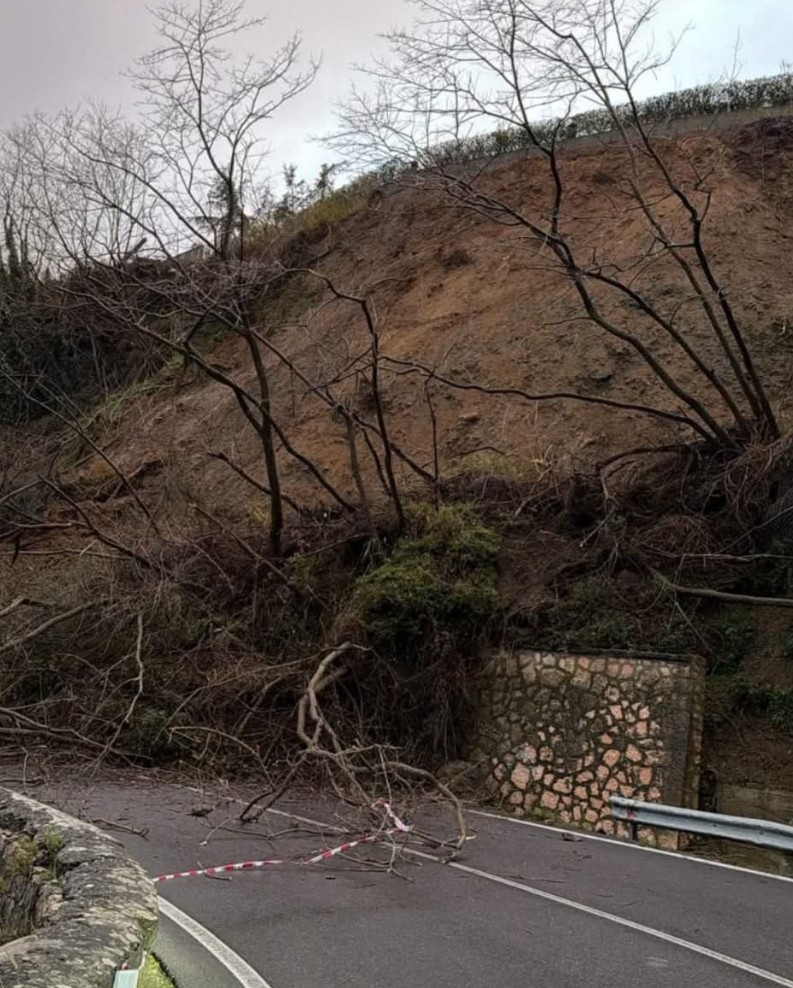
Landslide in Tiriolo, Calabria, Italy. (Photo: Carmen Critelli)
Preliminary government estimates place the economic losses caused by wind, flooding and infrastructure damage at around two billion euros. In response, the Italian government declared a state of emergency and allocated special reconstruction funds, including roughly one billion euros for Sicily, Calabria and Sardinia.
Southern Italy was once again reminded of its environmental vulnerability.
The deadliest migration route in the world
But the bodies appearing on its beaches reveal another dimension of the crisis, one that extends beyond geology or weather patterns.
They expose the intersection of climate instability, migration routes across the Mediterranean, and the policies that govern Europe’s borders.
When contacted for information about the discoveries near Tropea, the local Coast Guard declined to comment. “At the moment we cannot release interviews; investigations are ongoing,” an officer said.
Meanwhile, the central Mediterranean continues to be the deadliest migration route in the world.
According to estimates from the International Organization for Migration, more than 450 people died in the Mediterranean in January alone, three times the number recorded in January 2025. The humanitarian organization Mediterranea Saving Humans estimates that roughly one thousand migrants may currently be missing at sea, based on alerts from relatives and friends who have lost contact with loved ones after departures from North Africa.
The EU’s hardening stance on migration
For many observers and humanitarian groups, the tragedies unfolding along Italian beaches are not isolated events but part of what they describe as an ongoing massacre.
And yet, as the sea continues to return the bodies of those swallowed by winter storms, Europe is moving in a different direction.
On February 10, the European Commission addressed the European Parliament about the upcoming implementation of the Pact on Migration and Asylum, a reform package described as the most significant change to EU migration policy in decades.
The reforms aim to strengthen border management, increase cooperation with neighbouring countries and accelerate the return of migrants who do not obtain residence permits in the EU.
New measures include the expansion of the EU’s digital Entry-Exit System for border monitoring and proposals to increase the rate at which irregular migrants are returned to their countries of origin. The proposed “Return Regulation” would also allow rejected asylum seekers to be transferred to so-called “return hubs” in third countries considered safe.
Challenging an “indifferent silence”
European officials argue that such policies are necessary. Recent surveys indicate that two-thirds of European citizens are concerned about uncontrolled migration, and a large majority believe member states should adopt a more unified approach.
Critics, however, warn that these policies risk further hardening Europe’s borders without addressing the underlying humanitarian crisis.
“It is a policy that rejects,” said Father Camillo Ripamonti, president of the Centro Astalli refugee service in Italy, in an interview with ilriformista.it .“It is a policy that does not want to see, a policy that wants to keep people out.”
For him and many others, the tragedies unfolding on Mediterranean shores demand a different response.
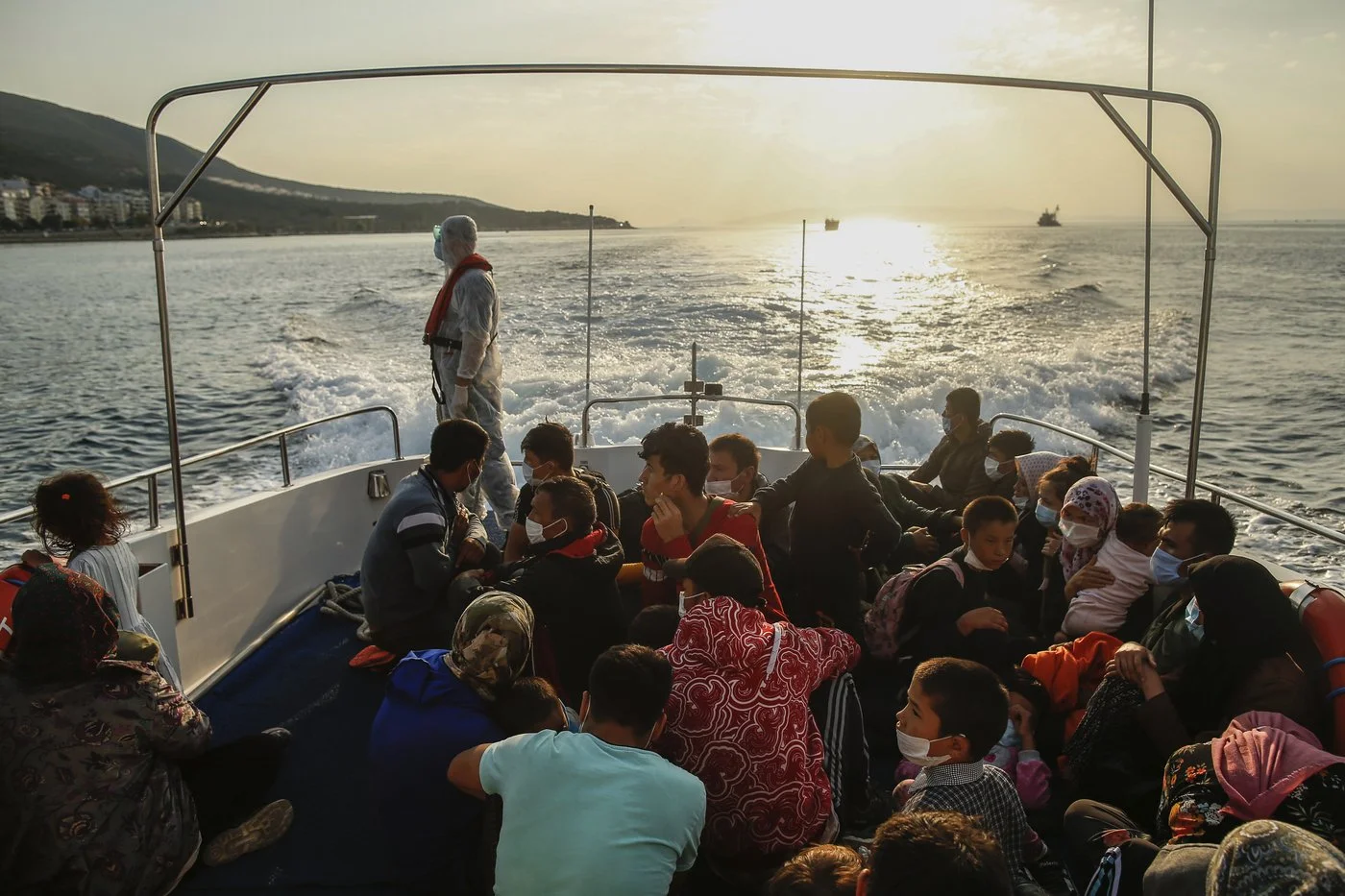
People arriving by sea in Italy during the COVID-19 response. (Photo: Il Reformista)
“They call for a surge of dignity,” he said, “and for us to take responsibility as citizens of a European Union that should stand as a champion of rights, rather than maintain this indifferent silence.”
For now, the sea continues its quiet work.
And along the beaches of southern Italy, the waves bring back what the storm took away.