

Weaving The Streets
Series Overview
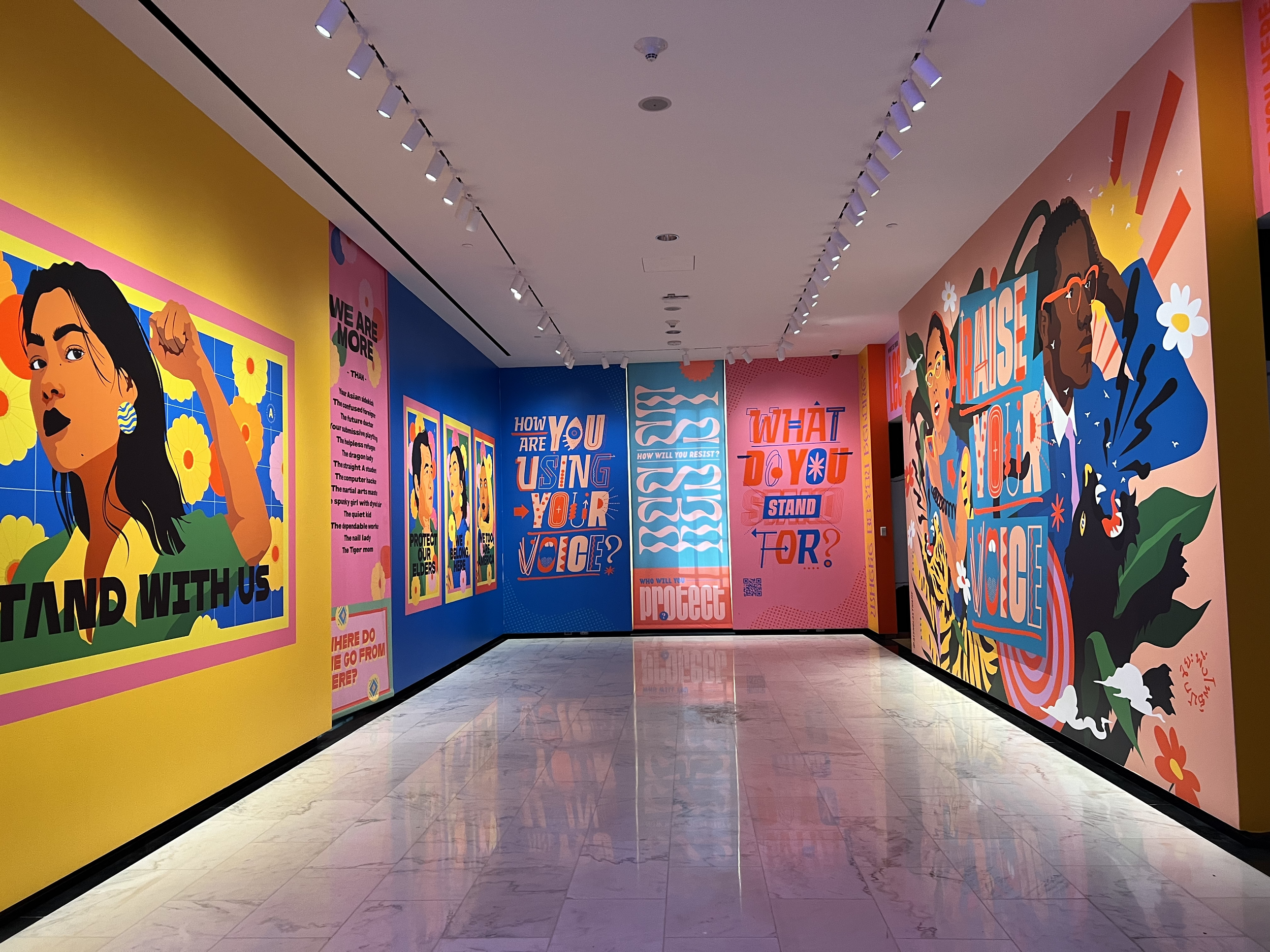
Edited by Cassandra Kunert and Catherine Tedford, Weaving the Streets is a grassroots journalism project focusing on the diverse ways in which ordinary people around the world use public space to express themselves. Weavers are everywhere, and we are constantly documenting and reflecting on examples of street art and other traces of street-based actions, movements, and forms of expression that are often ignored by establishment media outlets. Weaving the Streets is part of a larger collaboration between Weave News and the Richard F. Brush Art Gallery that includes our sister project, the People's History Archive., as well as a new JSTOR collection called The Streets Are Talking.
Latest Stories
___LZSettings_N4IgFgyglgXgpiAXAOwK4Bt0BoQDN0D2AhgC4AiUATkmpjqgM5wByqAtgEZyUCSyASgQDuSXEXRMcUEnDYM+gkYgCMOEkQ7o4JCNpJRkAcwajxkkOs3aAwgXTtkJlWo1aSAcVQkZ1RAAYcNgIOKC1dbwNjJBJKVDhA4NC4W3s2RyRVECCQrU9vbiQAkEo4IgATAFkCEoAVOAAPEiQQEBw4ZFc4ABkiGABPaNj4kEJygEFMAHlKAAUiQ1MJYdGyucM4aHgMnDAoMu7iSuqERDElnBWq2oamxBb6Jl0GBigCZGsiAGMwE7PzRg2AEUIDNKAR6gNTmZhgAHMEQj7fOA1KBsE7KIqfRgkAhsHr9Pj7eqLcxYhg4vG9PqEhoAVUo6GarRAnzsWk++je9MZdwA9OTqlA4CYcLg2cIIARUJRPnBuSThlBDMhjnxpAqcOIfB0ZDw2PNhRqQO1Ovi+gAhAhlSF-YYmqxmgBioR8RvQVOd6FdiGAAF8cAxqjp2PrKNSZHJmiqALSByhNANgCVgIglc1eHHpO4qiApkrMjgZt7yVnICZK5Bo5C3FntV04QveYs8UubE4gBj6zAFouOFtvCAkPpaZoMACOqFTcGjHGq+2oDd7JbeKWqzU0XwA1szxOgAKIANzrTltOCElCIMJ4EYYAHVpGAugZt4gYnFNWUyh8SDV5tZ3c8hrZm8CA4KymBwByrzIDwZTNAArLgACcHAAMwcAAbBwAAs2G4AAHMoSF+HA8GIRh+EcBwfjMvsLzKs06BQOSzI-OU3B1I0TJqDcbaMam6zMjCBp8YgqFFKiBpjAwMKQSQ-CkK8zTKAAdPBzLgQ495lCQYBIAATAA7EUhgZgUiAYUUTHknqImwCc8FWcxJC2es5bKlWNZaLgCYdkxdEzNwihIKhPGNO5lZ1oxcA+cyDBJkIKIkCOr5DImwg1GA7AcB0oSDO+HYJXu9SypQMK3G+wzxcI-ClEcJRPsgL6VelQiglAsr5bCYJlKgHKAqgHWbgAakKQh7h0VhwVC5yFcIczktMtIwqybCRIex7NKgK24pEzJouoZSkEQMwEC8nLIOucCEEI0aljI1ZCZQklhhU2jlMdzRHTIcWQW8R2ve931EM0RBeEmC54C65mgJ8pBwIY1TUmUTi0NgFjzM0t6lAekQAAS6XAeODiU2gmP6IBgzi1hgjCXUXEqYAkLOxIzeYa31HAX5vA9FVpSAmgEJ8m6wc0uDKGU+FIXAfjKIZZTi58ZSodhfioXAHDMu6-QQJ8YLdqlBUlOI5qEMLot3ILwvRhh8FIcZR1Ibgn5lEh8HYahhlKxhYhENhIC+kAA
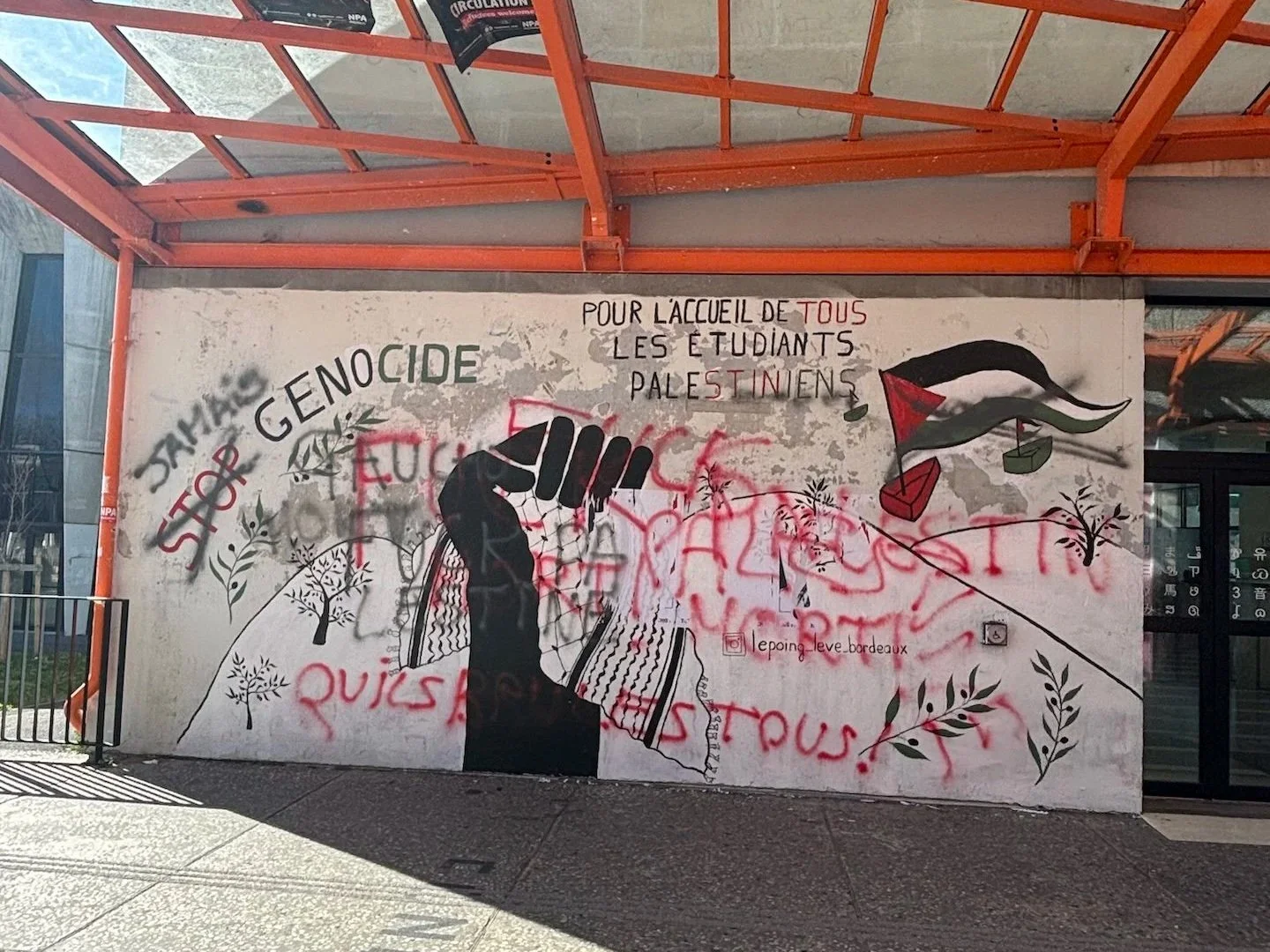










On Sunday, May 17, residents of all ages took to the streets of the Spanish capital, Madrid, to march in solidarity with the Palestinian people in their struggle against colonial domination and violence.