Voices
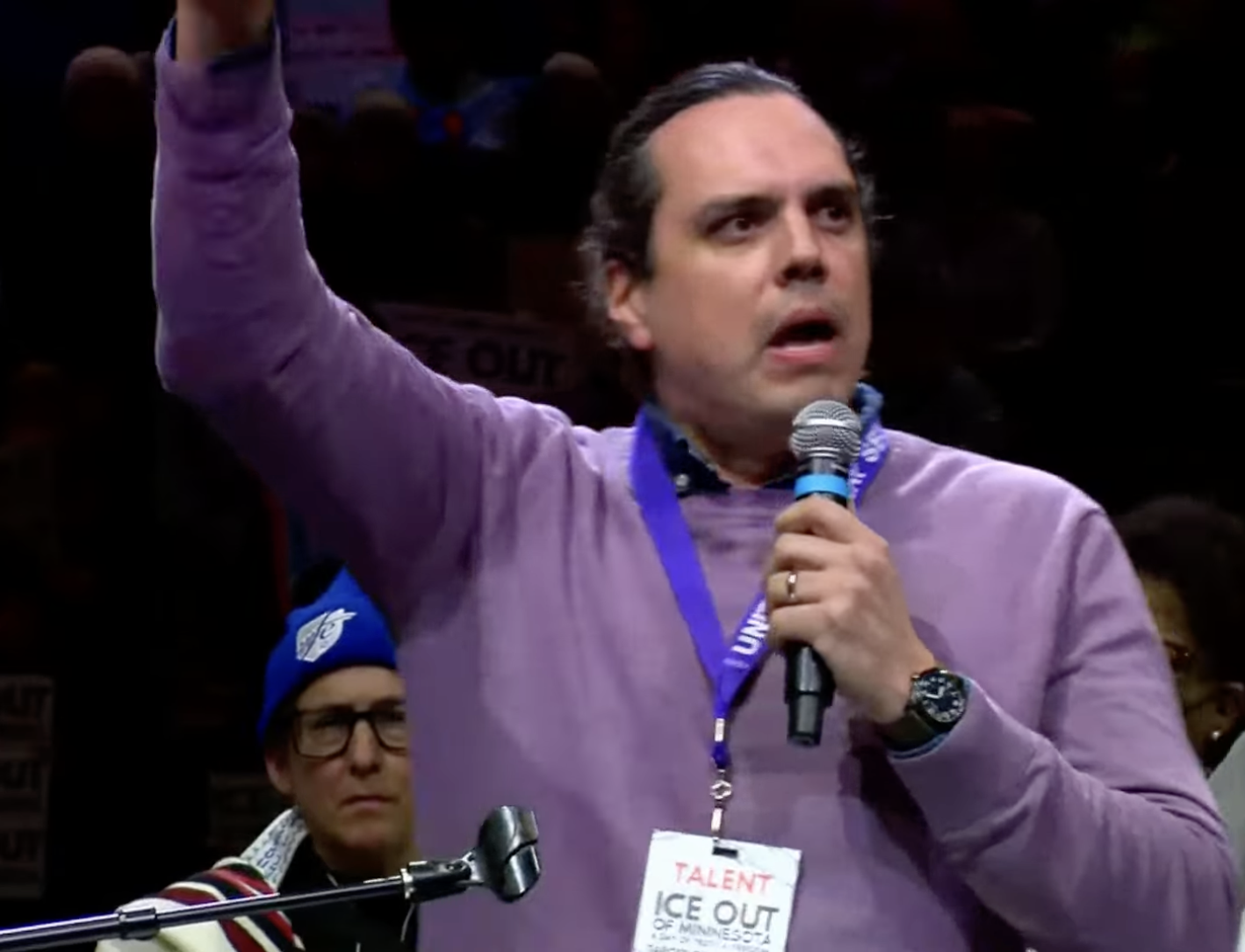
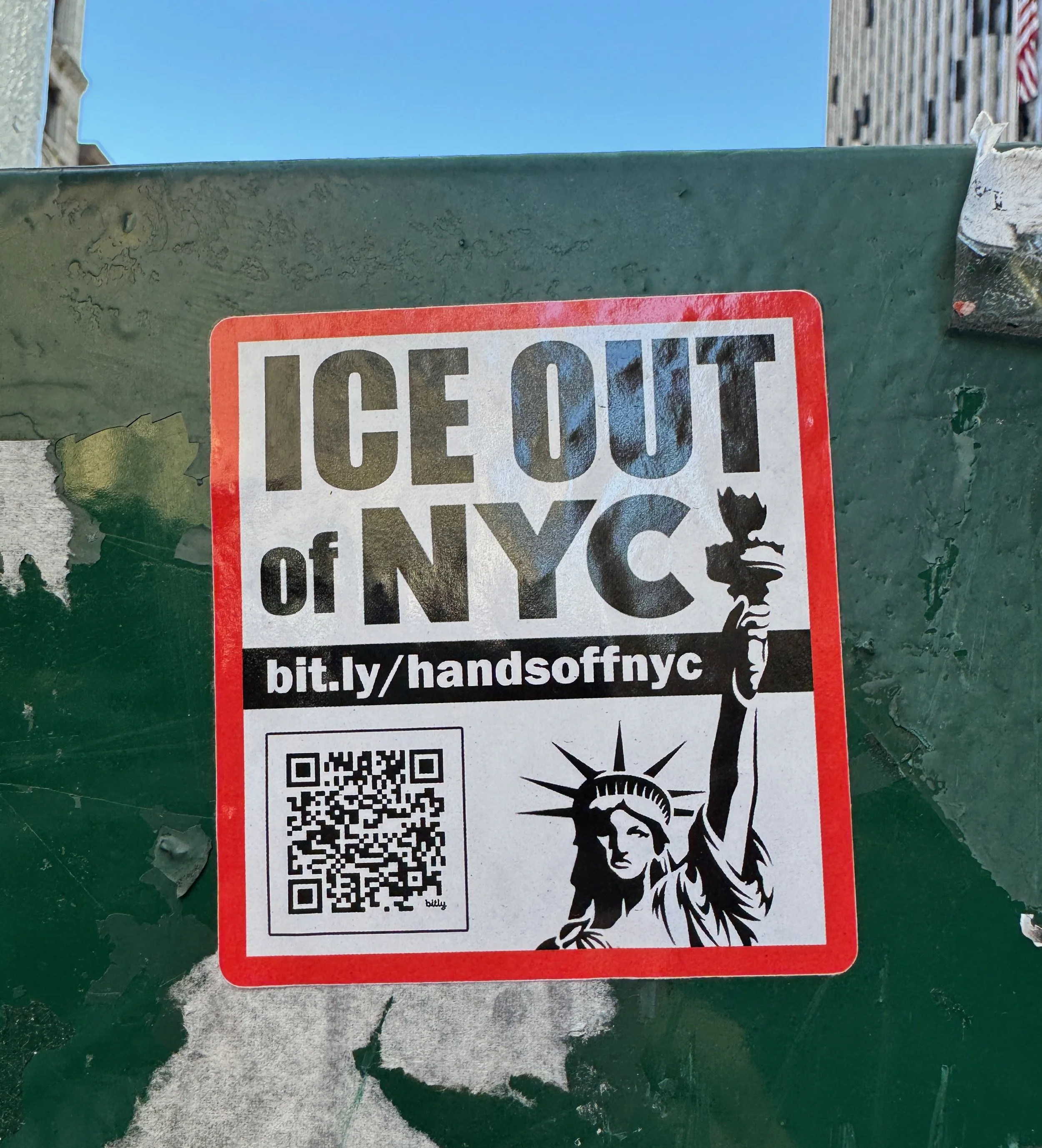
For the author of Our History Is the Future, the struggle against ICE is incomplete without a true anticolonial reckoning.
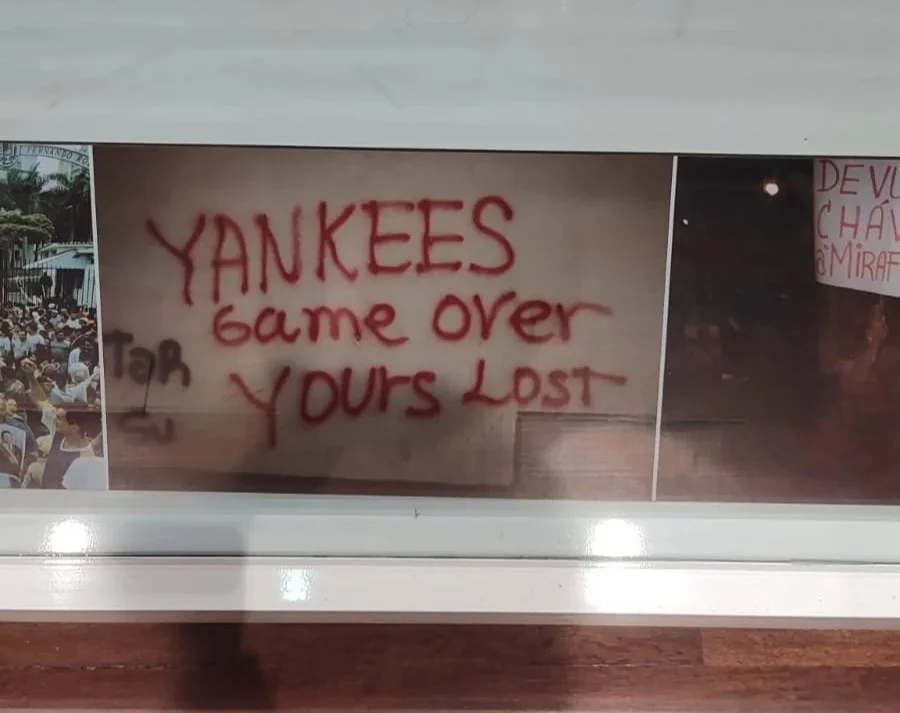
Being Venezuelan now means explaining yourself before you are even asked. I often find myself elaborating on my political experience and beliefs as fast as I said my name.
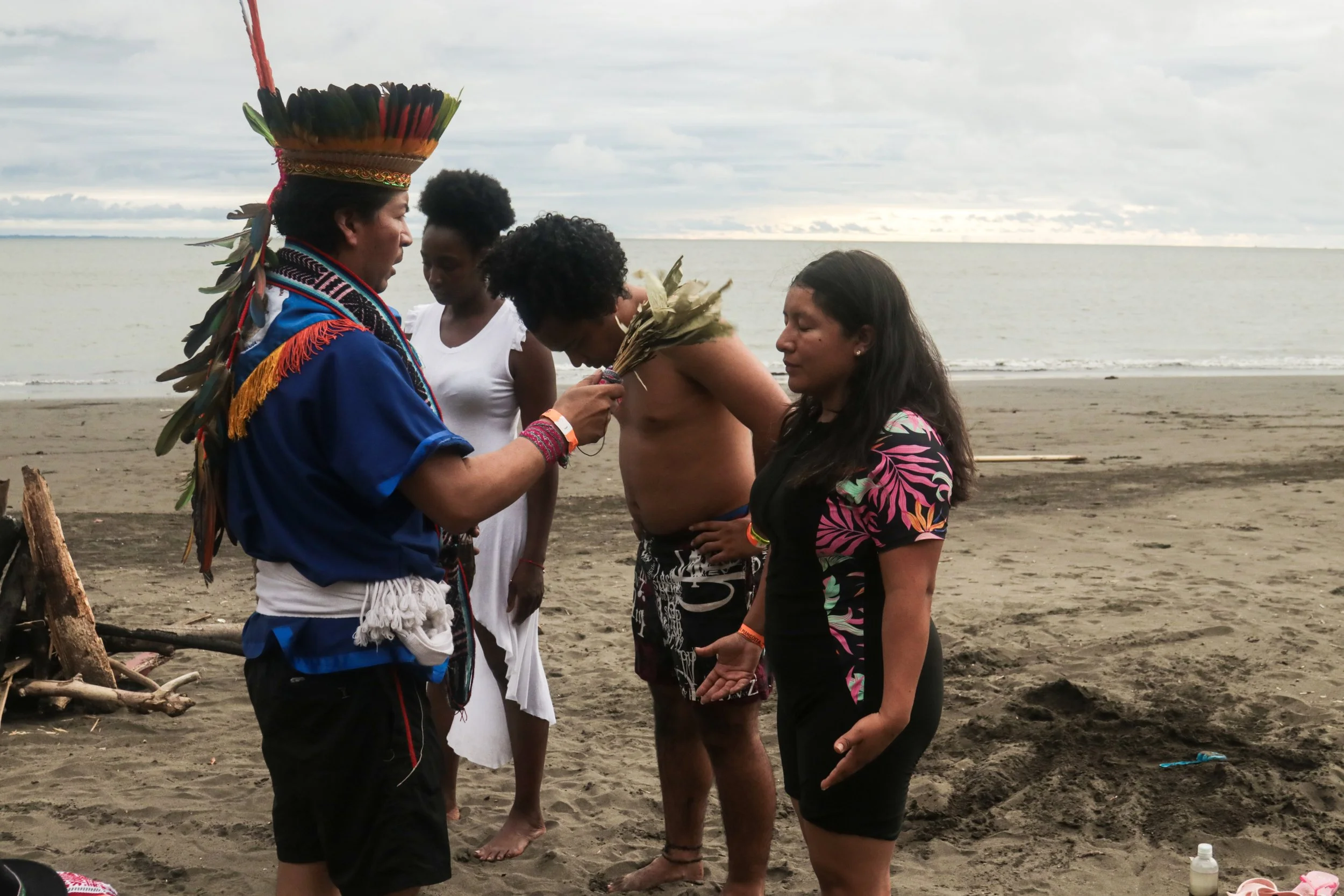
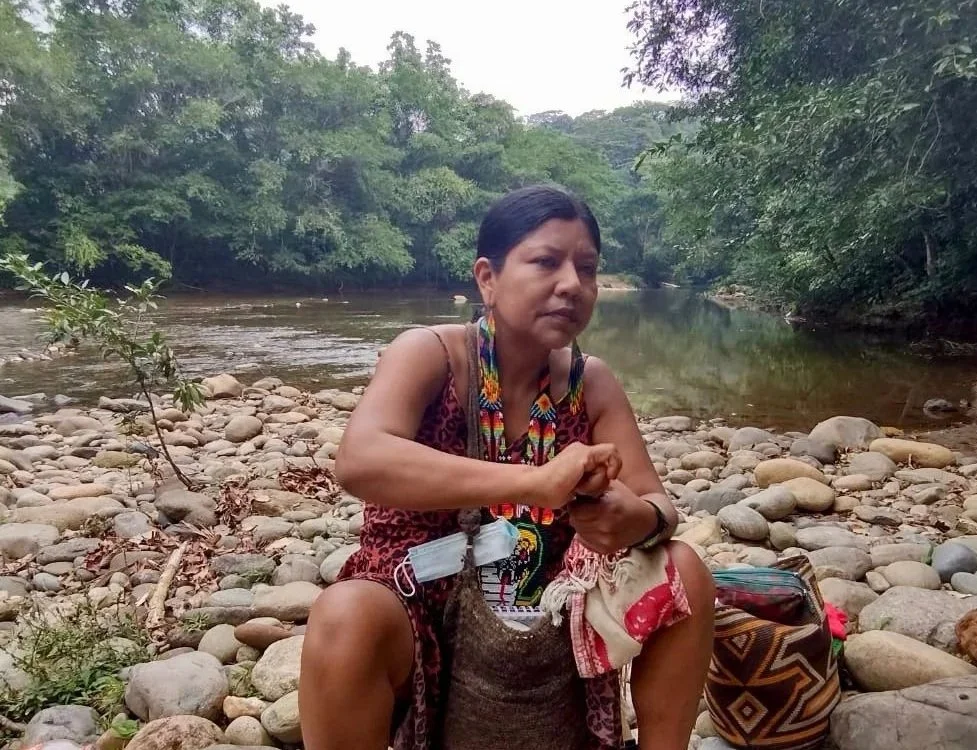
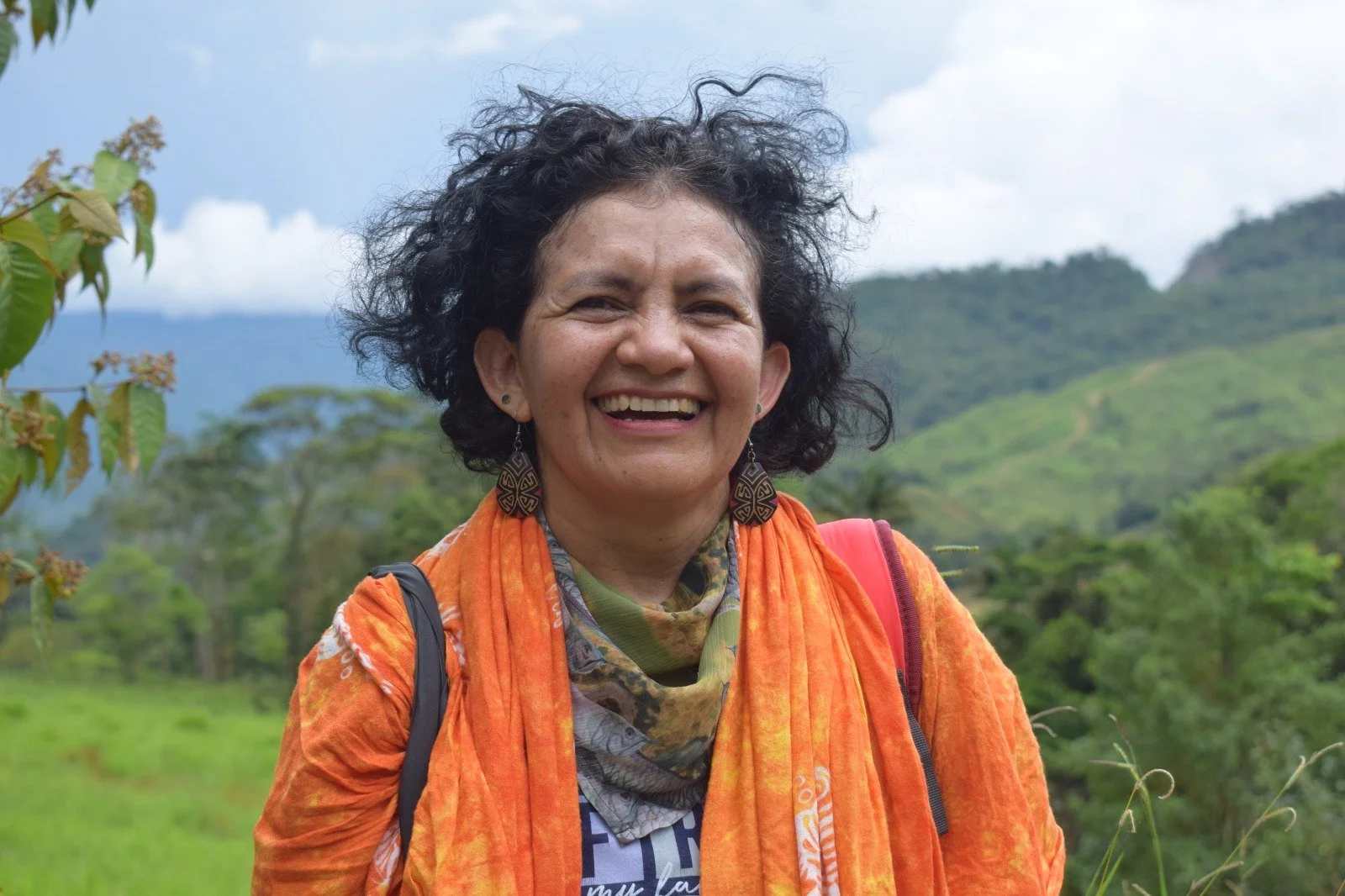
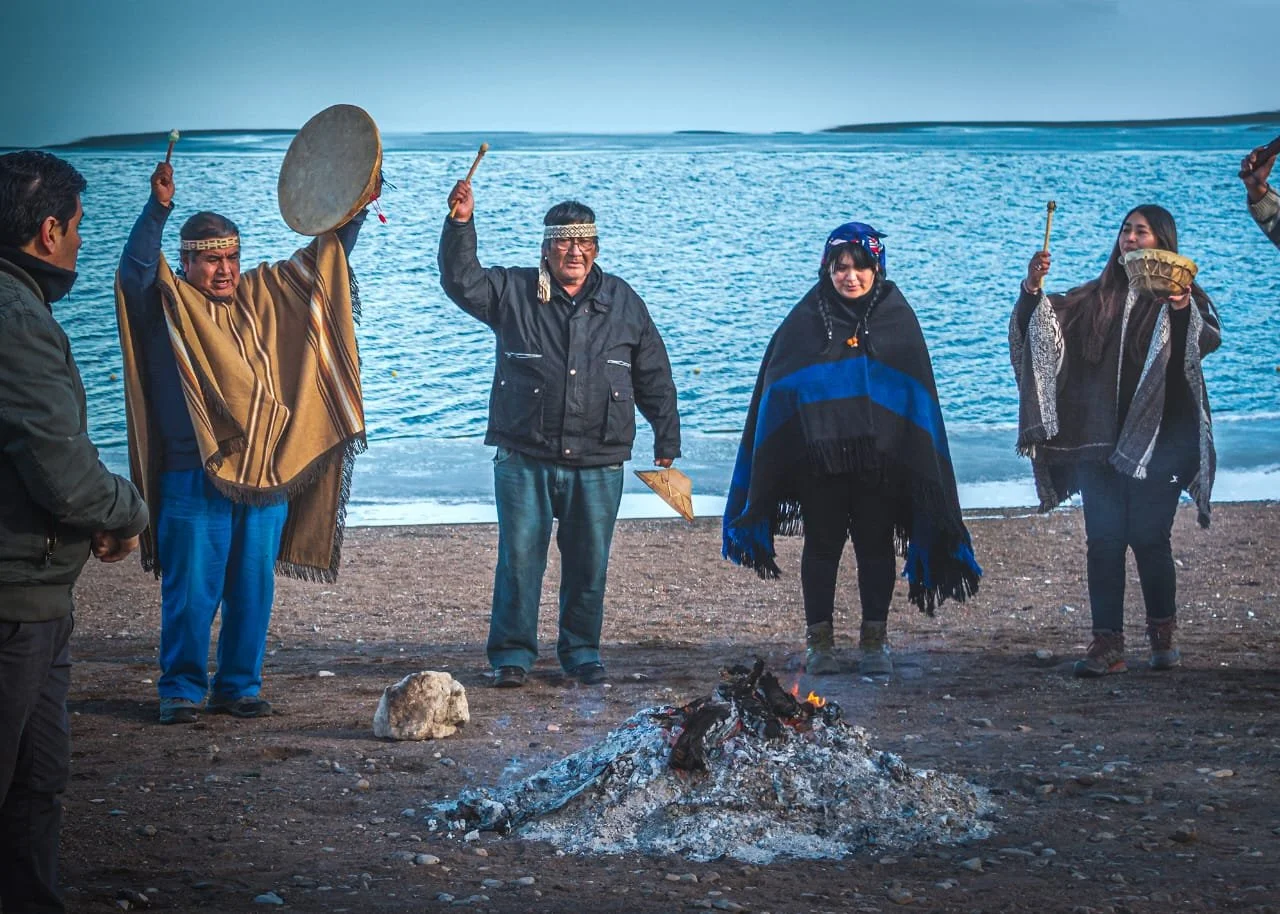
The life of Mónica Solarte Moreano is interwoven with the history, struggle, and spirituality of the Iguailik people. Through her experience as a woman, mother, and professional, she embodies ancestral knowledge, the defense of territory, and the transmission of an identity.
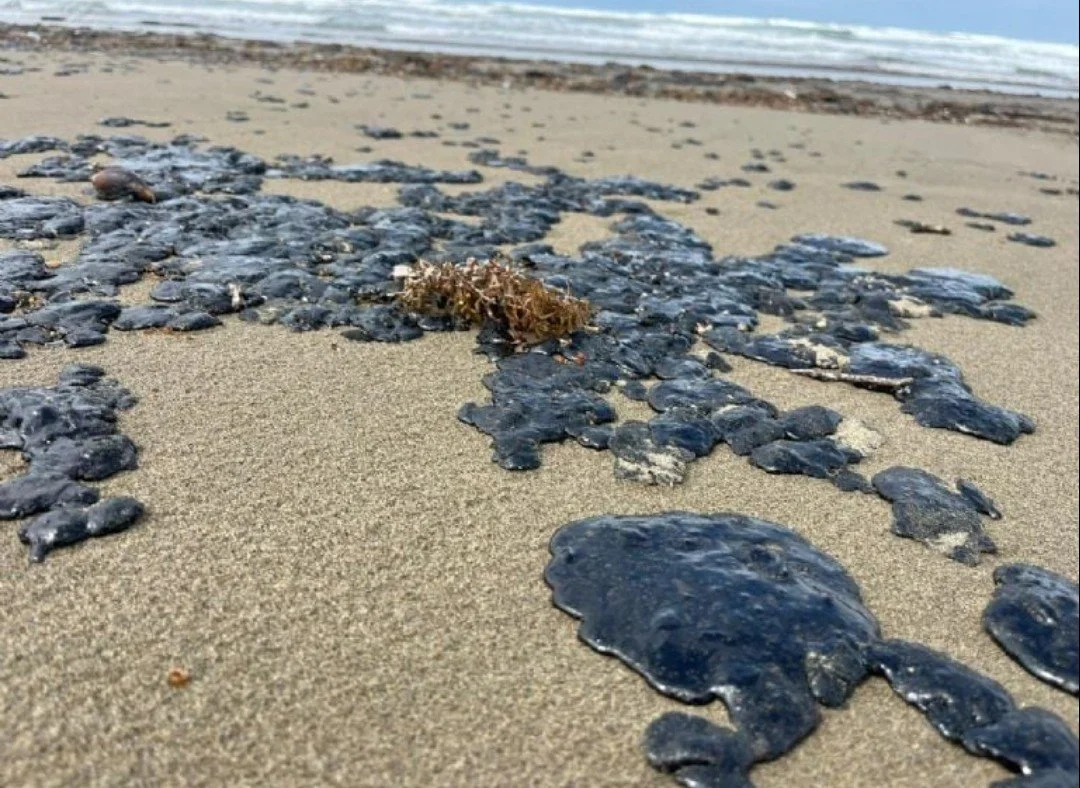
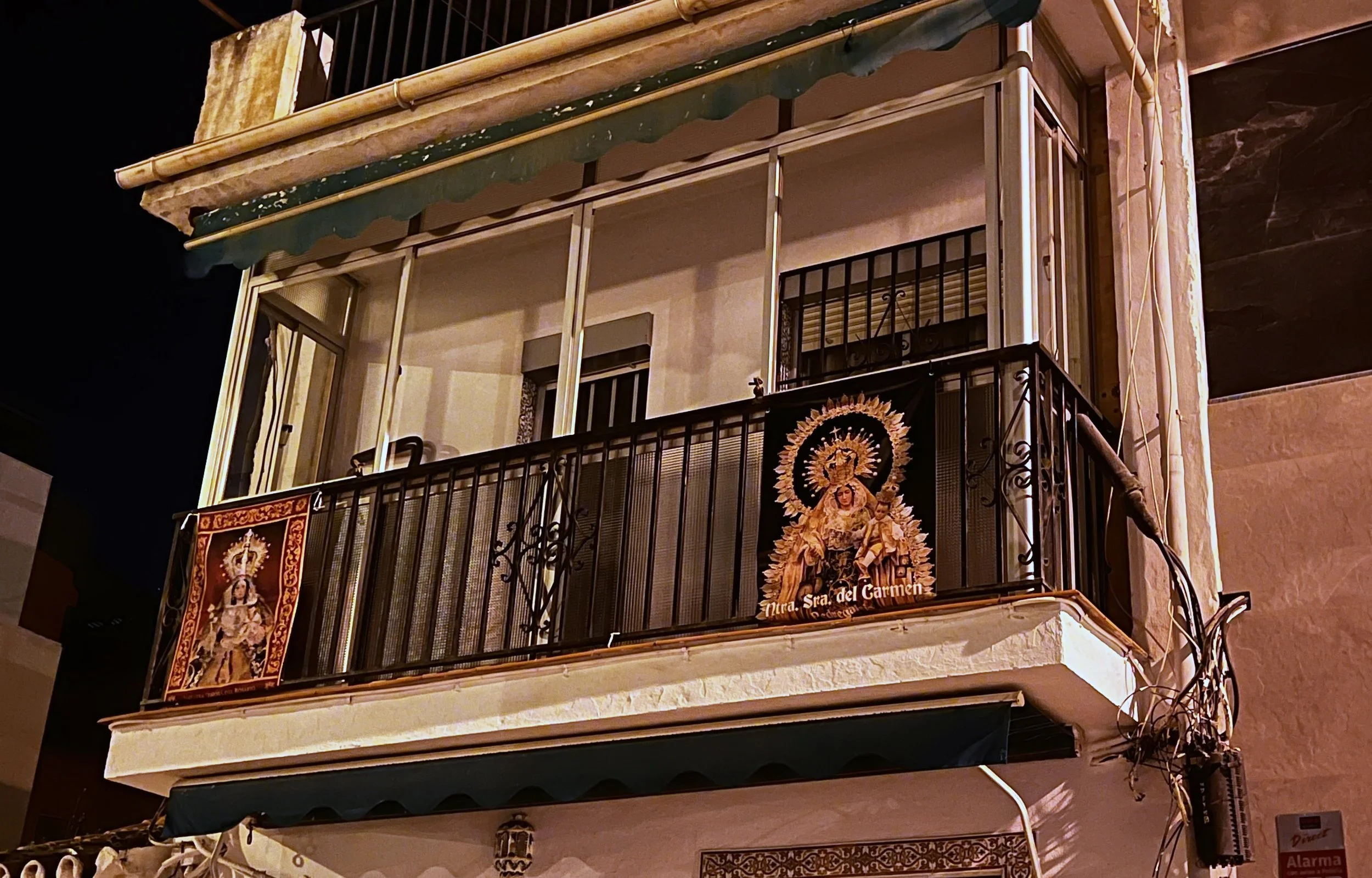
Inna Saribekyan reports from the Malaga neighborhood where the patron saint of fishermen is ever-present.
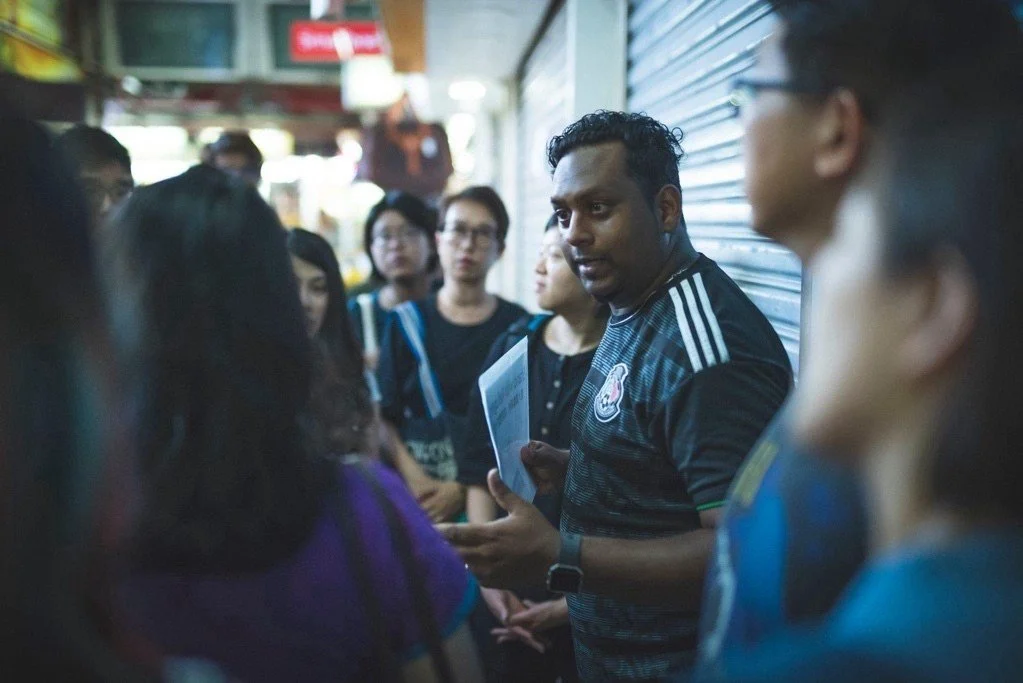
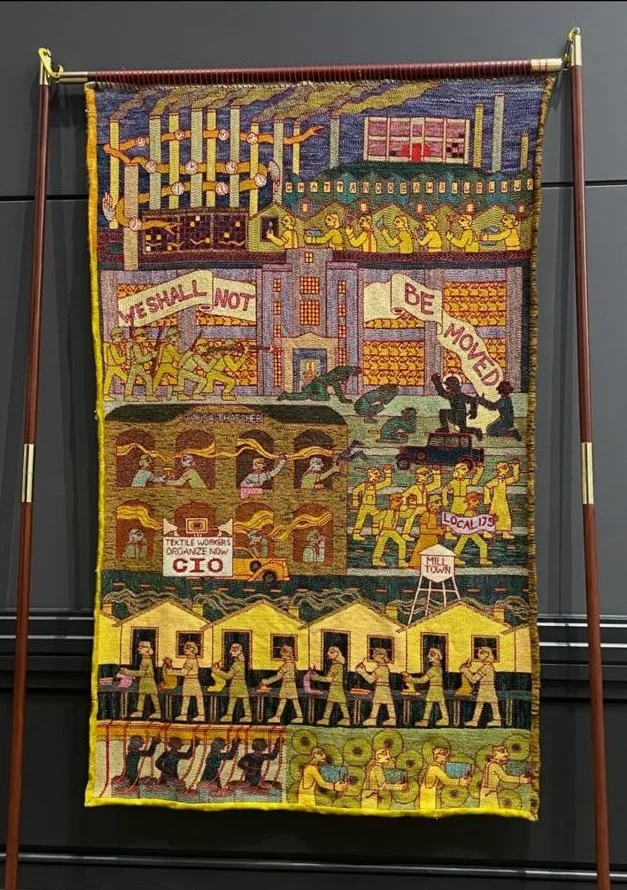
For our Weaving the Streets series, Catherine Tedford listens to the people’s voice in the Big Apple.
A new toolkit from Talking Rivers invites organizations to rethink their relationship with the living world—through language, governance, and the simple act of listening.
A.M. Derrendinger writes for the Waterbury Roundabout (VT) about the dangers of social media
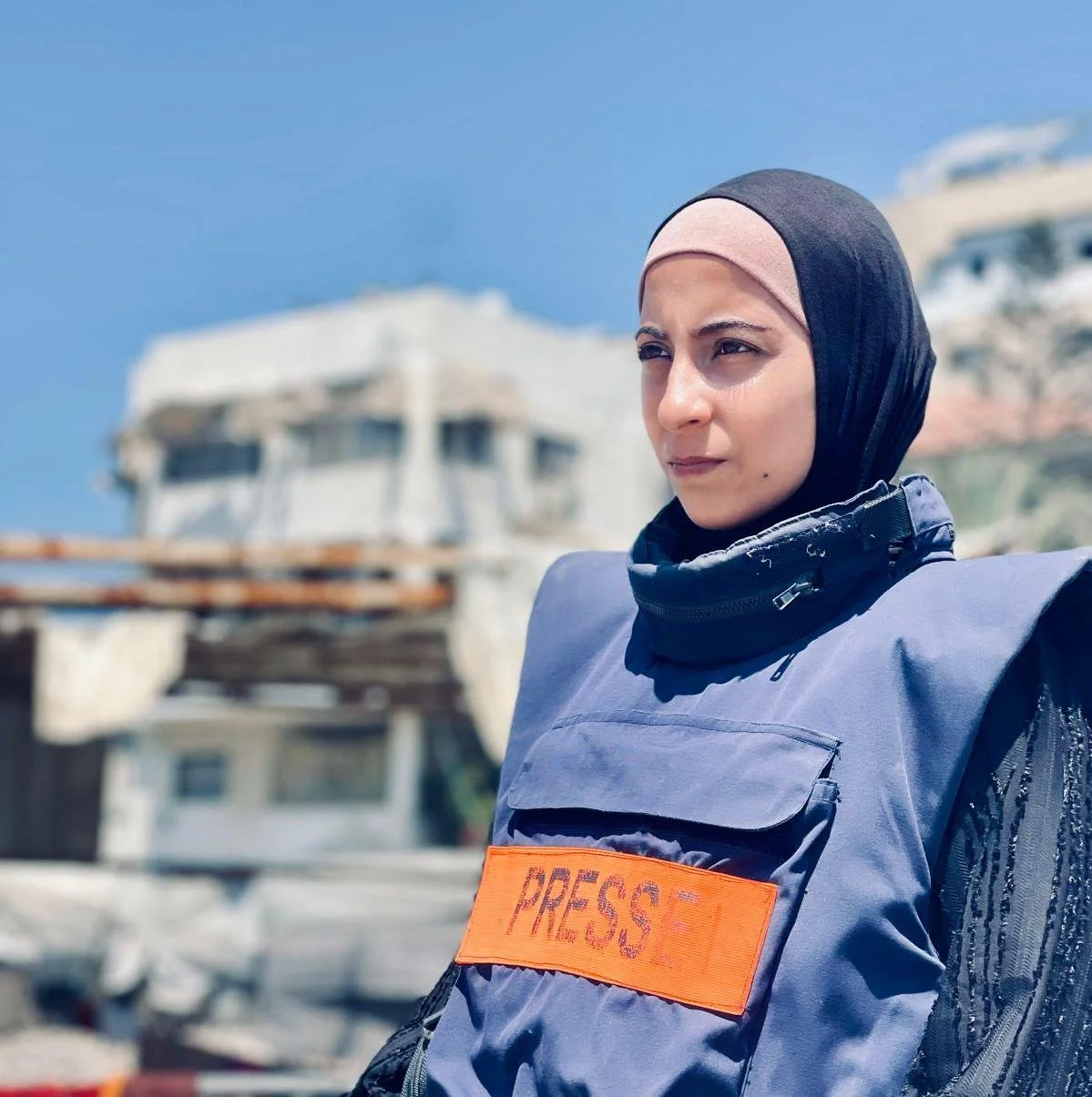
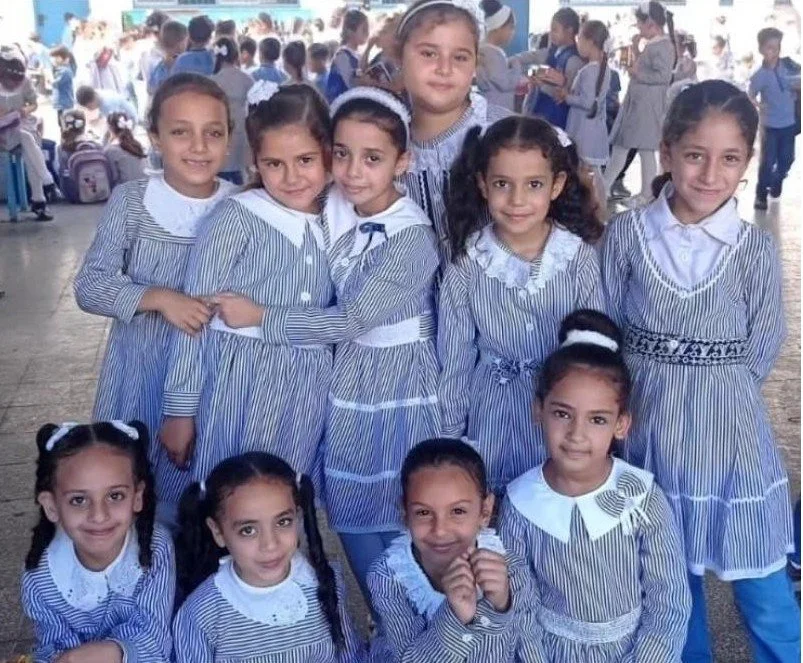
Writing for We Are Not Numbers, Majd Abu Esaid reflects powerfully on her family’s ongoing experience of violence and loss in Gaza.
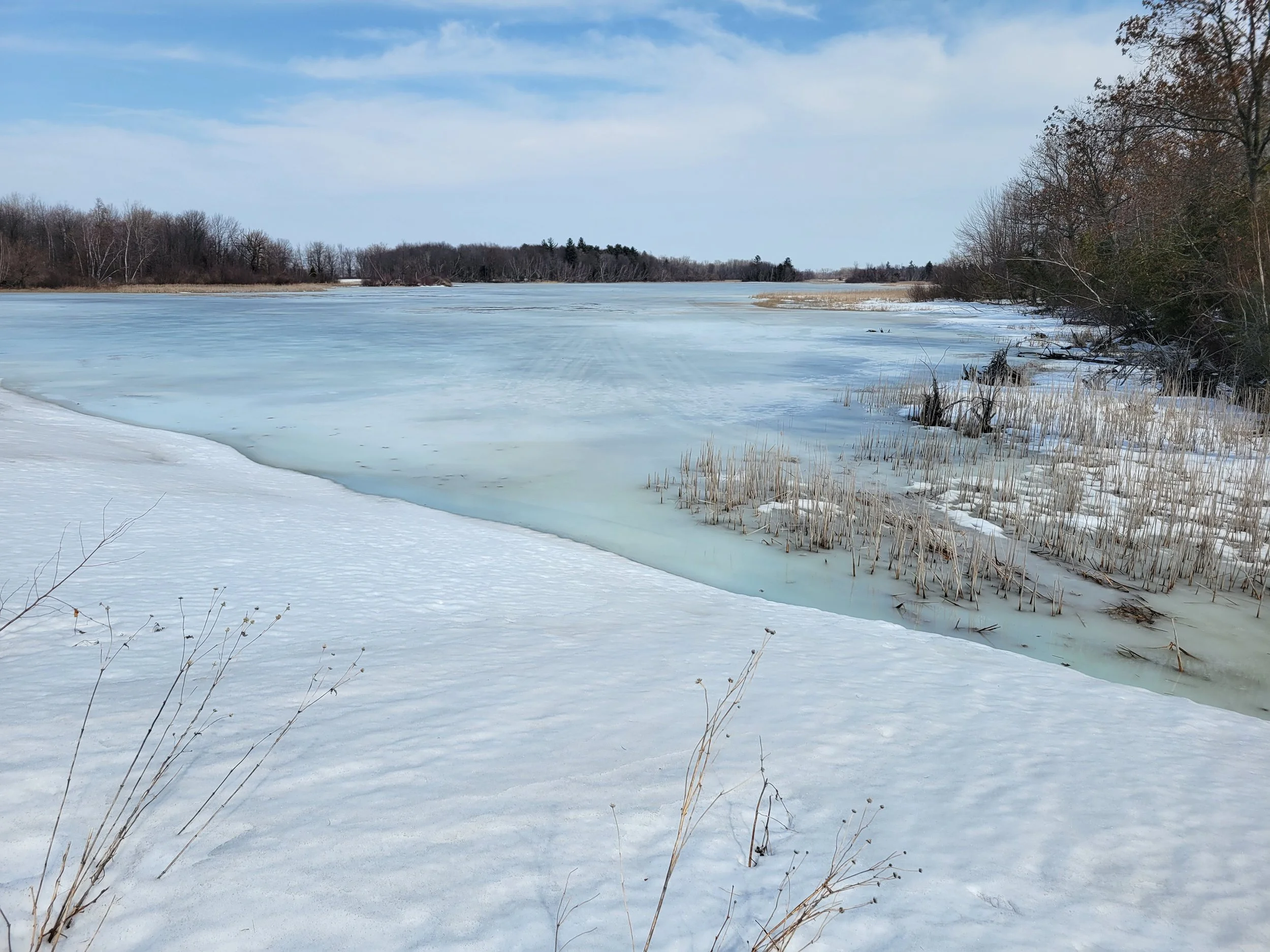
The light of the sun finds its way through the small hole in the ceiling, turning the water bright and blue. A sharp contrast to the otherwise dark cave, with limestone walls that seem to enclose you in a tight, cold grip. Stalactites have formed over thousands of years, and plants have started to grow from the opening of the cave, cascading into the water. The air is damp with the earthy scent of rock and minerals, it pulls you in.
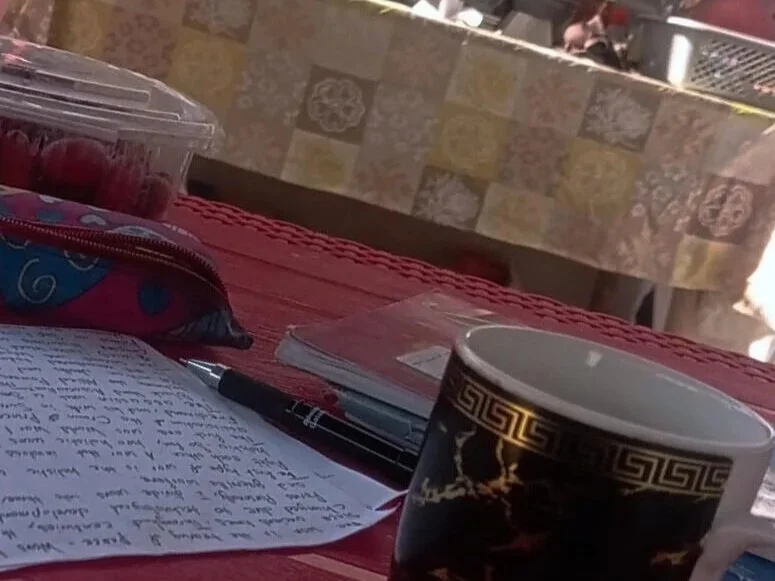
Umm Mohammad, a wife and mother of five sons, is all alone, engulfed in the grief of loss and longing. (Originally published by We Are Not Numbers. Art: Fatma Raif Al-Barqouni, Flyers for Falastin)
Copenhill stands tall—literally and figuratively—as a groundbreaking example of how public spaces can serve multiple purposes for different people.
I barely remember what I was before this, before the monotonous concrete slope you designed. I slide down it as hard as I can, still spraying and twisting and foaming with a neverending hissing roar as I land in the waters below me, but I sense that something has been lost.
Seb’s journey is no ordinary bike ride. So far, he has cycled over 4,346 kilometers, leaving their home in Amsterdam with a mission: to fight against borders. Their journey will stretch across continents, immersing them in regions shaped by complex histories of migration and conflict. As Seb pedals through 20 borders, he seeks to understand the legacies of Western involvement in these areas and how they keep displacing people from their homes. It’s a journey about awareness, liability, and learning.
It is a bright Saturday, the crisp air of late February stubbornly holding onto winter’s cold. Before me, Union Square Greenmarket unfolds in quiet rhythms. Usually a place of hurried crossings, the square now offers a reason to pause. Vendors line the pathways between sparse naked trees, nature reaching skyward as if trying to catch its breath amid the city’s steady hum. New Yorkers seem to find newfound fascination in sunflowers or a vintage teapot; it is a curious way of placing extraordinary importance on the seemingly unimportant. Amidst the hustle, something larger looms. A colossal clock, eighty feet wide, stands proud atop One Union Square South, overlooking the tranquil Union Square Park as its stark digital display counts down in red, pixelated numbers.
As Donald Trump’s victory in the 2024 US elections continues to reverberate both domestically and internationally, it is essential to confront the complex web of authoritarian politics, resurgent racism and nativism, technological power, and so-called “anarcho-capitalism” that the second Trump administration is bringing into public view. In this context, many observers have noted that key figures such as Elon Musk and Peter Thiel have deep roots in South Africa, suggesting that their influence on this new wave of authoritarianism may represent a new chapter in the story of South African apartheid.
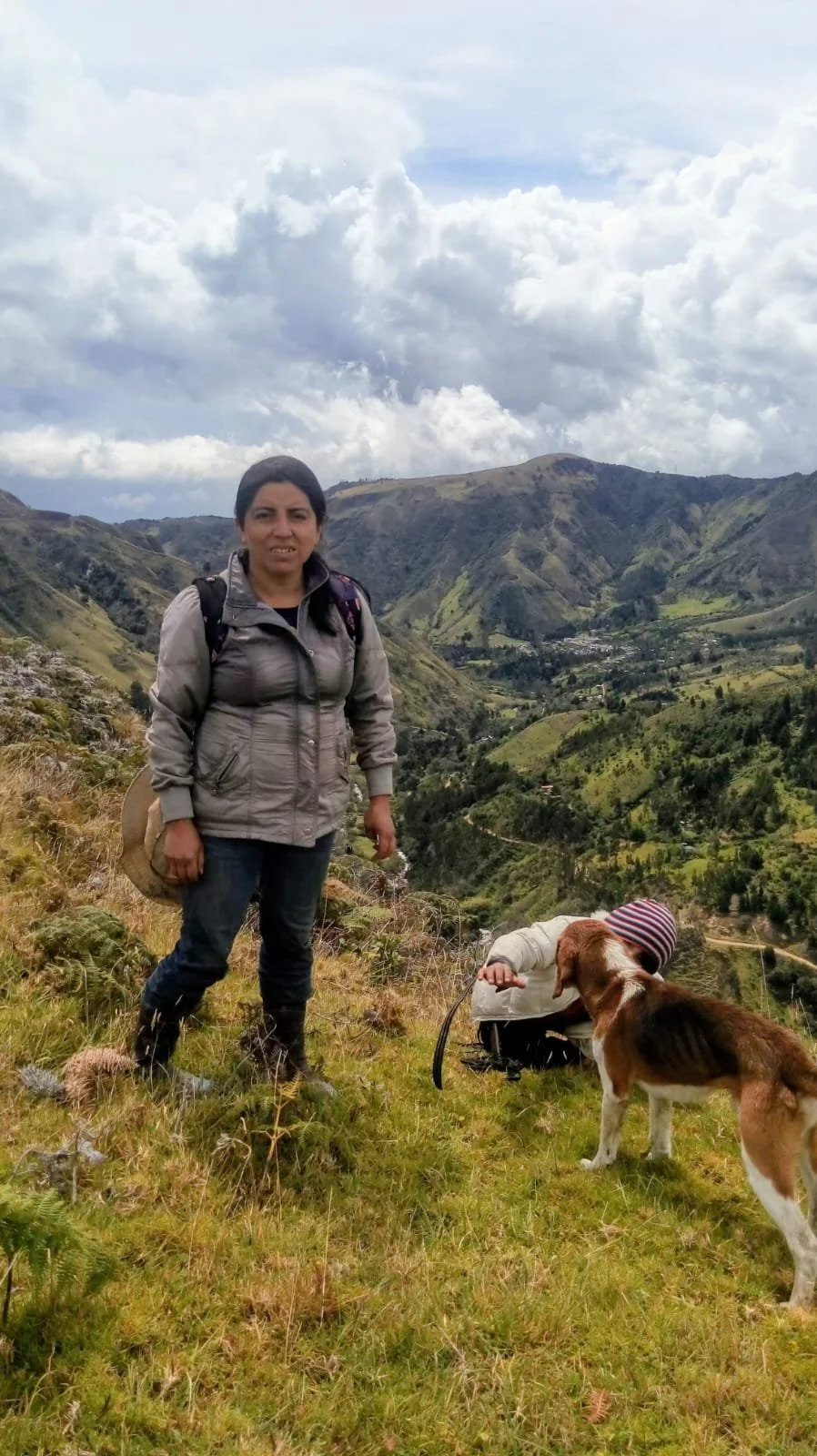
Exploring a city as a tourist can be a vastly different experience from doing so as a local. Though I was born and raised in Neiva, Colombia, it was not until my foreign friend visited that I realized how the resistance against state violence and corruption is vividly illustrated in my hometown's public spaces, leaving no room to turn a blind eye. Her amazement at the art, phrases, and graffiti covering a small city like Neiva sparked a conversation about the country’s political landscape at the time.
How do you take care of community gardens in a war zone? How do you educate communities about the importance of protecting non-human animal rights while you hear machine guns firing in the distance? For those who live in countries that have the privilege of peace, these conditions might be hard to imagine. However, the Initiative pour le Progrès et la Protection de l'Environnement (IPPE), or the Initiative for Environmental Progress and Protection, has become all too familiar with realities of running an environmental nonprofit amidst waves of mineral extraction-fueled wars.
Even a simple thing like taking a stroll around a Danish city can tell you about this country's deep commitment to combating climate change and supporting the welfare of its people. Copenhagen's approach to sustainability quickly stood out to me; even the smallest details on the streets—like the city’s trash bins—have a deeper meaning and purpose than what meets the eye.
Time is human, time is ever-changing, never the same, time is unexpected, time is ruthless, and time is everything.
Everything can go so right in a matter of seconds, and in a matter of seconds, all hell can break loose.
I remember the exact time when everything went so wrong and so right.