
Weavers of Life: Luz Mery Panche Chocué - From Ancestral Territory to the Defense of Life in the Colombian Amazon
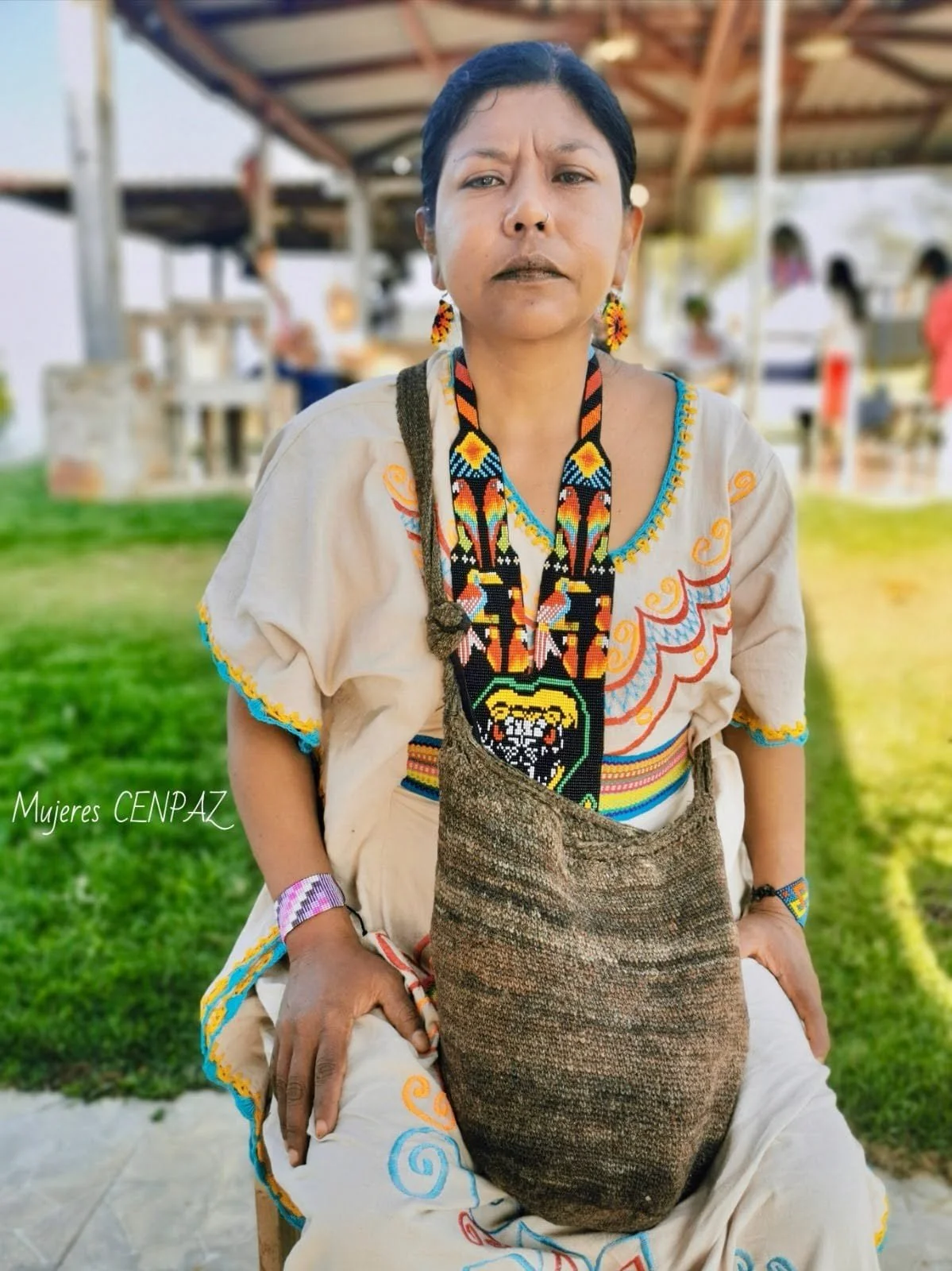
Luz Mery Panche Chocué. (All photos provided by the interviewee)
Lea la versión en español aquí.
In the heart of the Colombian Amazon, where rivers are born and the jungle sets the pace of existence, the story of Luz Mery Panche Chocué reveals the paths of resistance and continuity of Indigenous peoples beyond their original territories. A Nasa woman, leader, mother, and grandmother, her life embodies the transition between geographies—from the Andean highlands of Cauca to the Amazonian plains of Caquetá—without abandoning the ancestral memory that guides her relationship with Mother Earth.
Born in the department of Cauca, in the Nasa Laguna Siberia reserve, she now lives approximately 420 kilometers from her homeland in San Vicente del Caguán (Caquetá), in the Nasa Altamira reserve. This reserve, established in 1996, covers 10,556 hectares, and she arrived there fifteen years ago. She inhabits the upper part of the reserve where the Caguán and Guayas rivers originate, which is why they consider themselves the guardians of these rivers. Her reserve has not been free from tensions with state institutions regarding what they consider a violation of Prior Consultation, a fundamental right enshrined in the 1991 Political Constitution, when in 2018 the environmental authority Regional Autonomous Corporation of the Amazon (Corpoamazonia) created the Miraflores and Picachos Regional Natural Park.
In the jungle, she preserves her Nasa customs, her Nasa Yuwe language, and strives to revitalize her culture despite the violence and social conditions she faces. Nasa means people or person. In her language, Mother Earth is named Uma Kiwe, a holistic being wounded by the destruction of the jungle due to deforestation, mercury used in mining that contaminates rivers, and oil spills like the one in 2020 in Puerto Limón Mocoa (Putumayo). Similarly, Uma Kiwe has been violated by economic activities such as extensive cattle ranching and projected hydrocarbon exploitation, which she fears will be implemented, especially by a far-right government. Mother Earth is also threatened by state policies that do not contribute to its preservation. Despite that Colombia has received funds to conserve and protect it; extractivist production models and coca monocultures for drug trafficking prevail, putting the Amazonian soil at risk.
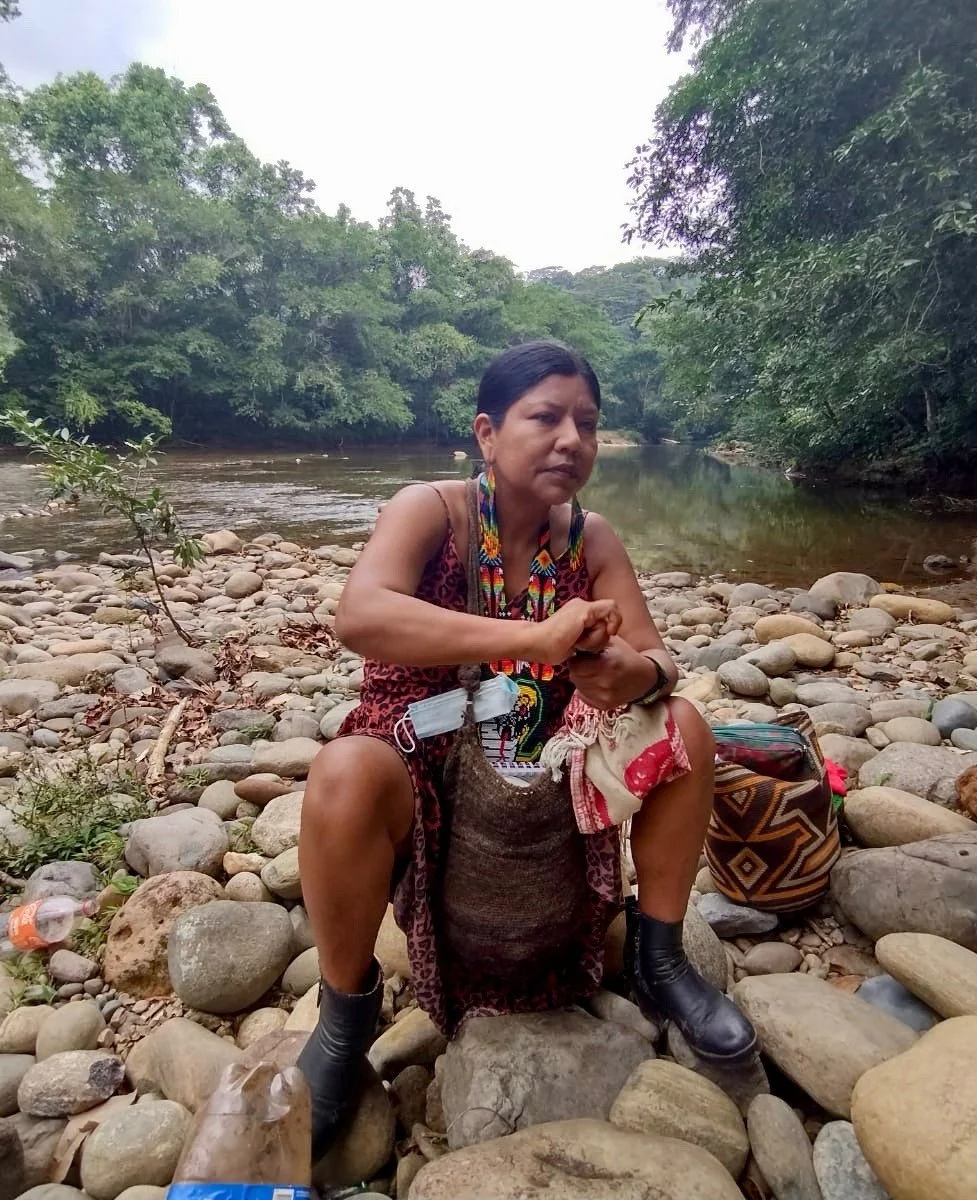
Faced with this reality, Luz Mery does not limit herself to complaining about the situation. She fights from the grassroots, through social organizations and the association of indigenous councils in San Vicente del Caguán, to challenge what is perceived as a negative fate for this Amazonian department. To do so, she is inspired by her worldview and cultural identity, as women—or rather, the feminine side of Mother Earth—play a transcendental role in maintaining the harmony of life, resilience, and resistance against the majority culture imposed 530 years ago. Her commitment is also evident in the mingas (community work) where they evaluate their role within the collective. Her initiatives are focused on the recognition of their own education system and ensuring that women occupy the spaces that belong to them in the Amazonian territory to continue contributing to this struggle through actions like recovering their language and strengthening their customs.
The ancestral legacy embodied in a woman
Luz Mery practices her ancestry through the mambeo (ritual chewing) of the coca leaf, which allows her to know and understand the Amazon jungle and enables her to work for the reconciliation with Mother Earth as a primordial act for building Peace in Colombia. This also requires changing production systems and reordering life in the territory based on their own economies and a local education system derived from ancestral Indigenous memory so that humanity can learn, from that traditional heart, to reconcile the private and the planetary areas of life before it is too late.
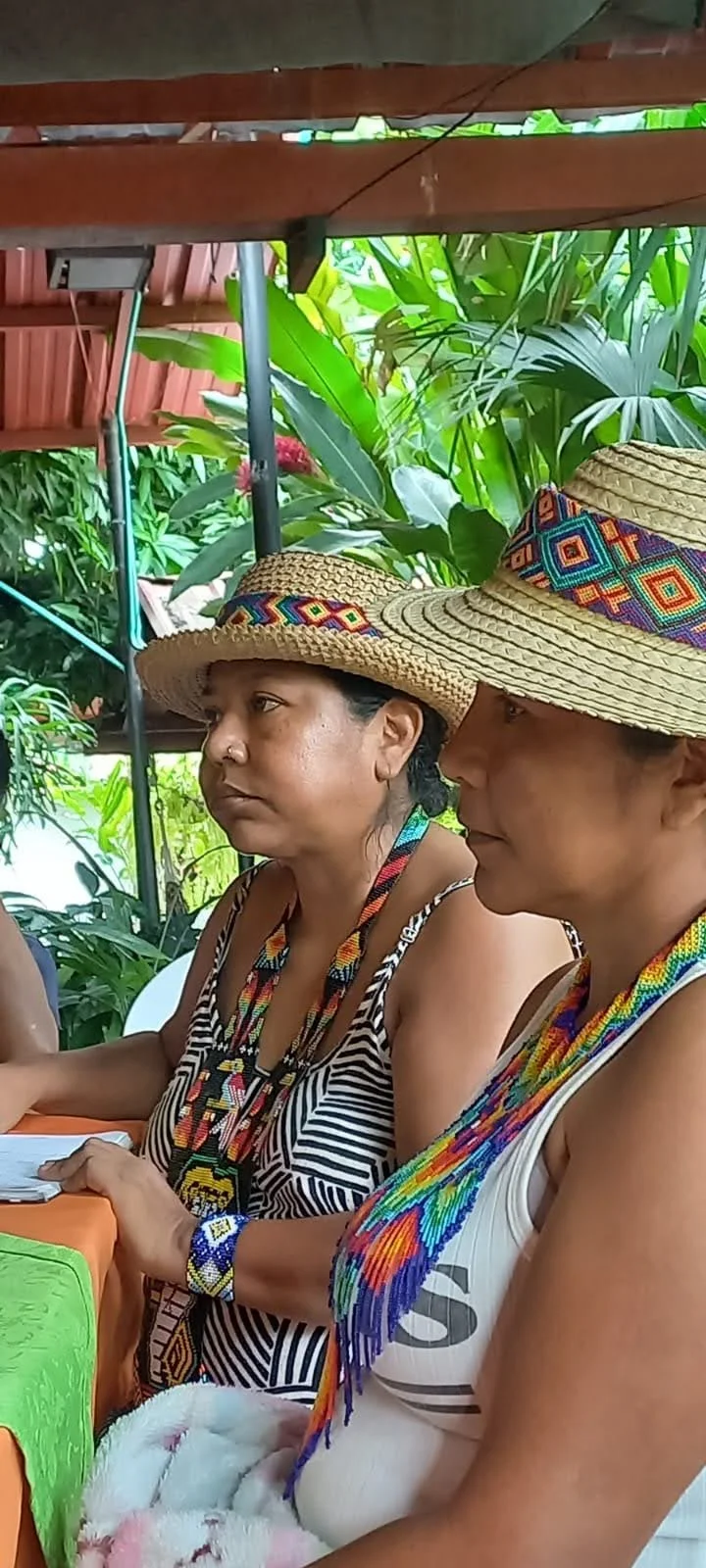
Social, territorial, and political work.
In the Amazon, she is a teacher, healer, and caregiver. Like other women, she received the gift of giving birth to life, ordering the home, preserving native seeds, and promoting food sovereignty, which involves growing and producing their own food. Together with men—the masculine side of Mother Earth—they perform tasks in an act of reciprocity, which is one of the messages transmitted by Mother Earth. Understanding those messages is a key part of her healing.
The story of Luz Mery Panche Chocué is not only the individual trajectory of an Indigenous leader, but also the expression of a territory that resists and reconfigures itself through ancestral memory. Her journey from the Andean Cauca to the Amazon implies no rupture, but spiritual continuity: a way of inhabiting the world based on reciprocity, care, and the defense of life. From Uma Kiwe, their struggle proposes not only to resist, but to reconcile with Mother Earth, to reorder and heal the relationship between society and her, opening paths to possible futures where life — in all its forms — can continue to exist.