
Stories

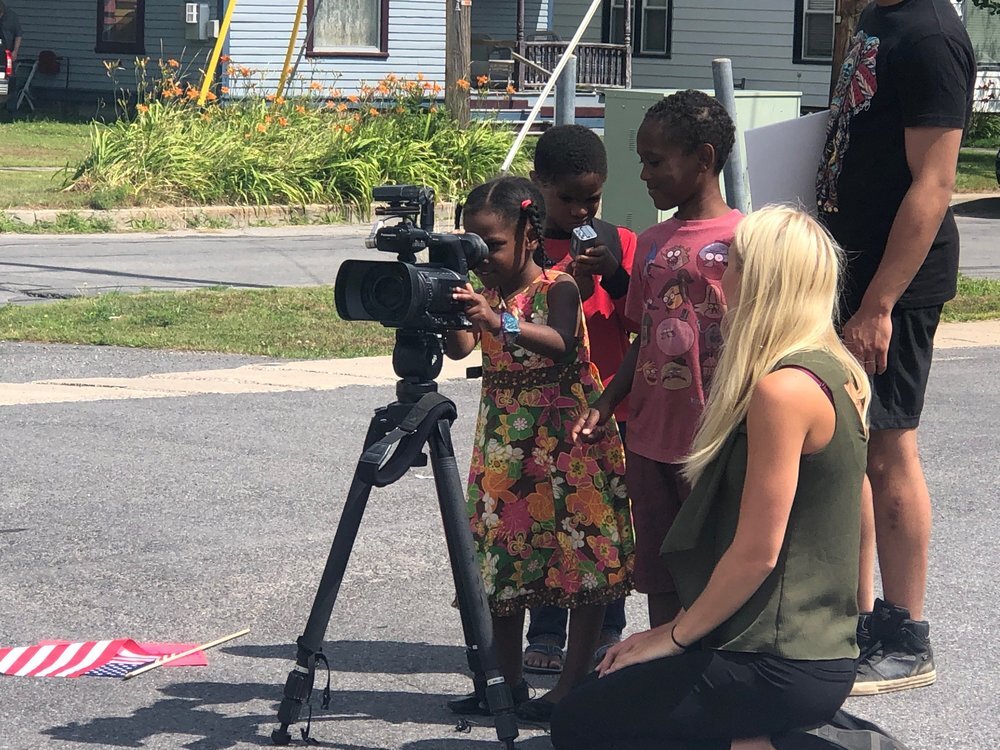
Moving Through the Spanish Borderlands: What Should Really Concern Us About Ceuta
Who and what gets to move through border spaces, and how does the business of securing Europe’s borders affect us all? Derek Sherrange spent three days moving between two countries and two continents to dig into these questions.
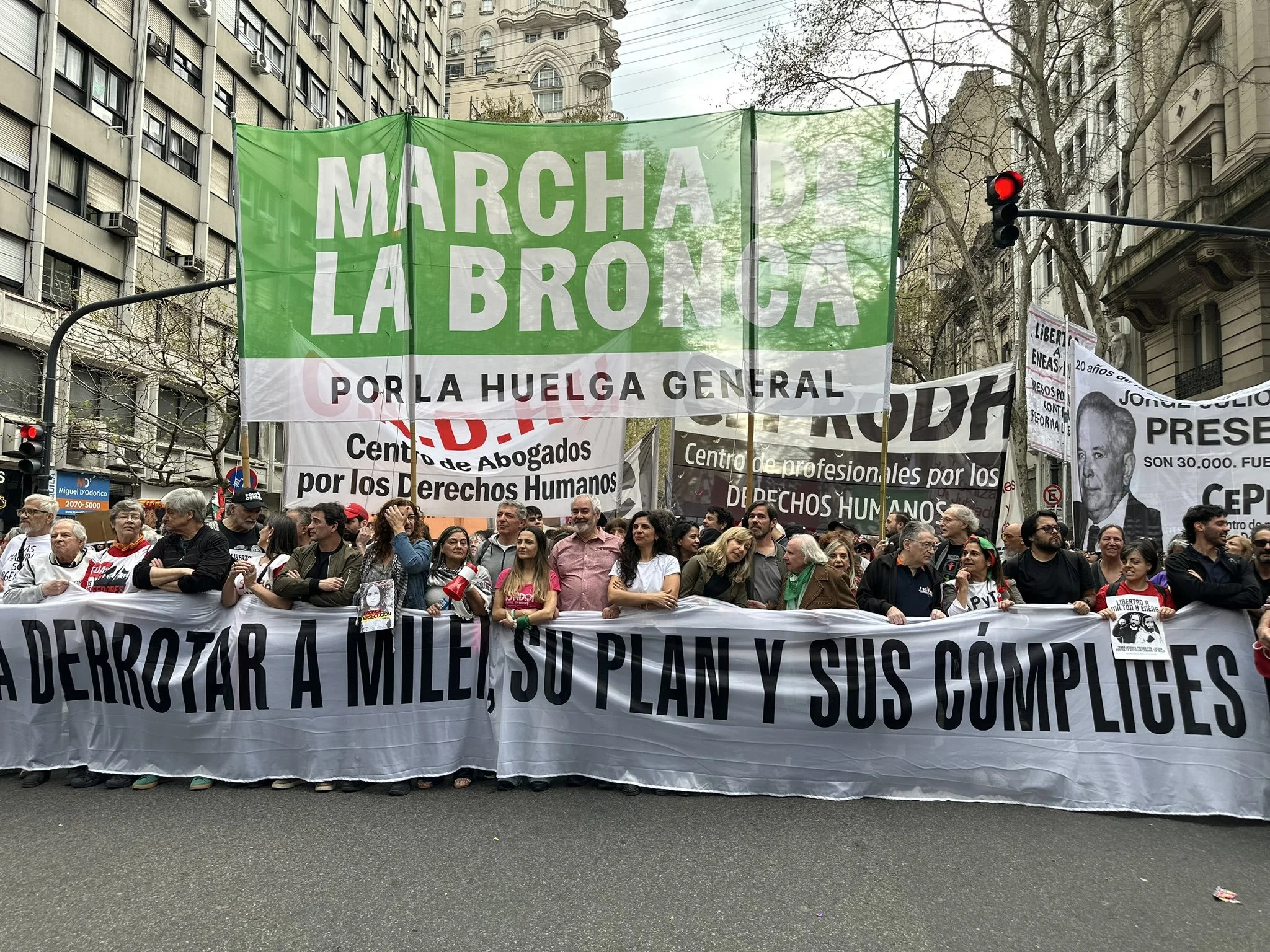
“Organize the Anger” or “Organize Hope”? The Argentine Left After Milei
Two words, Anger and Hope, chosen for two mobilizations held on the same day, against the same government, say a great deal about a tension running through the Argentine left. What should be done with the dissatisfaction that exists now? Marcela Gottschald reports from Buenos Aires.
Interweaving with John Collins: Thinking Critically About the Ceuta Story
Listening to the voices of the people who are at the center of global migration flows, says Collins, is necessary in order to get to the most urgent question: why do we allow this system of global apartheid to continue?
Lessons from Ceuta: State Failures and Local Solidarities
Cities and communities cannot wait for Europe to resolve its endless arguments about migration, deterrence and responsibility sharing, writes Dr. Myriam Cherti for openDemocracy.
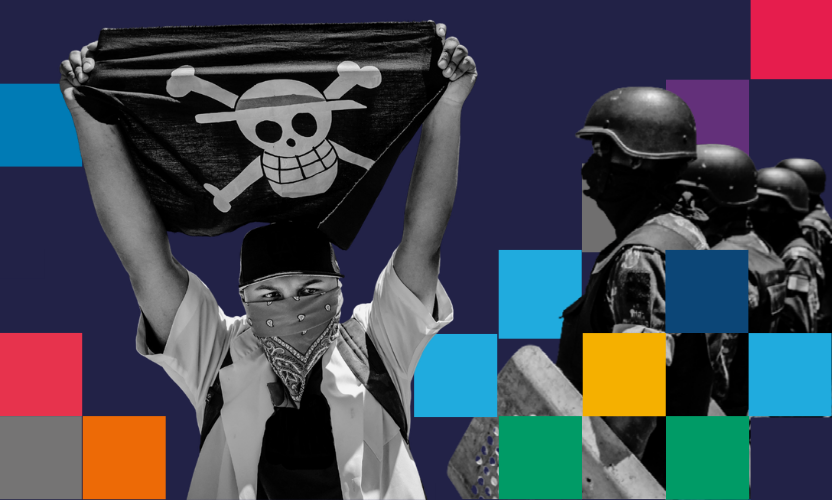
Holding the Line: How Defenders Continue to Act When Space is Closing
In the third and final installment of her mini-series, Defending the Defenders: The Global Rise of Legalized Repression, Gaia Guatri examines how civil society actors around the world are adapting to the changing structures of repression around them.
Who Cares: Looking for the Place Where Workers’ Rights Meet Disability Rights
Steve Peraza examines ongoing tensions driven by the entry of private equity into the NY state home care system - and opportunities for care workers and consumers to make common cause.
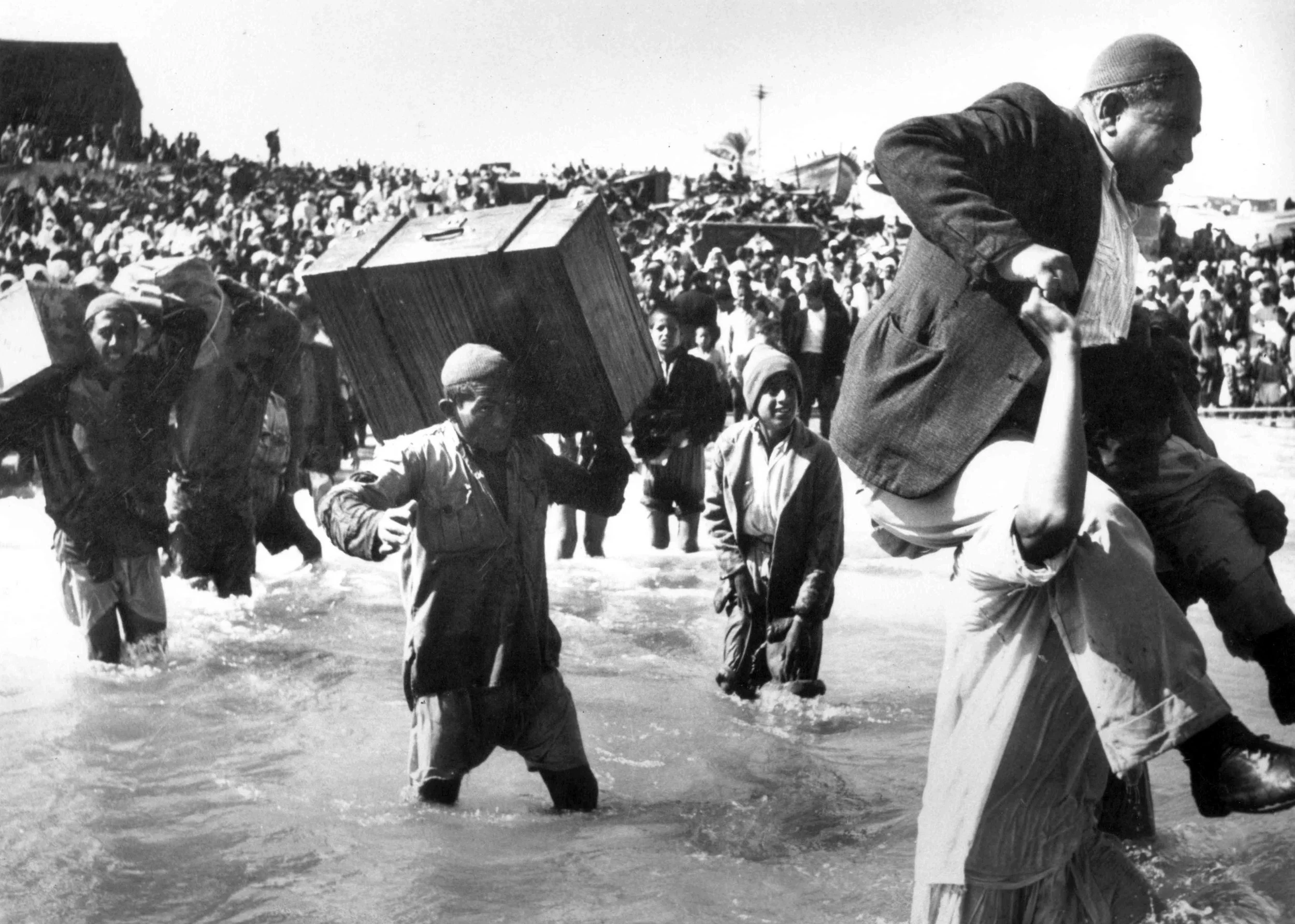
Weave Flashback: On Nakba Day, We Must Affirm That Rights Are Not Narratives (2011)
Who says journalists must be neutral in a cynically constructed “debate” that serves the interest of a colonial power? A question from 2011 continues to resonate today.
Targeting the Press: How Legal Harassment, Violence and Financial Pressure Silence Journalists
In the second installment of her mini-series, Defending the Defenders: The Global Rise of Legalized Repression, Gaia Guatri explores how states and other powerful actors are increasingly constraining the work of journalism through law, violence, and intimidation.
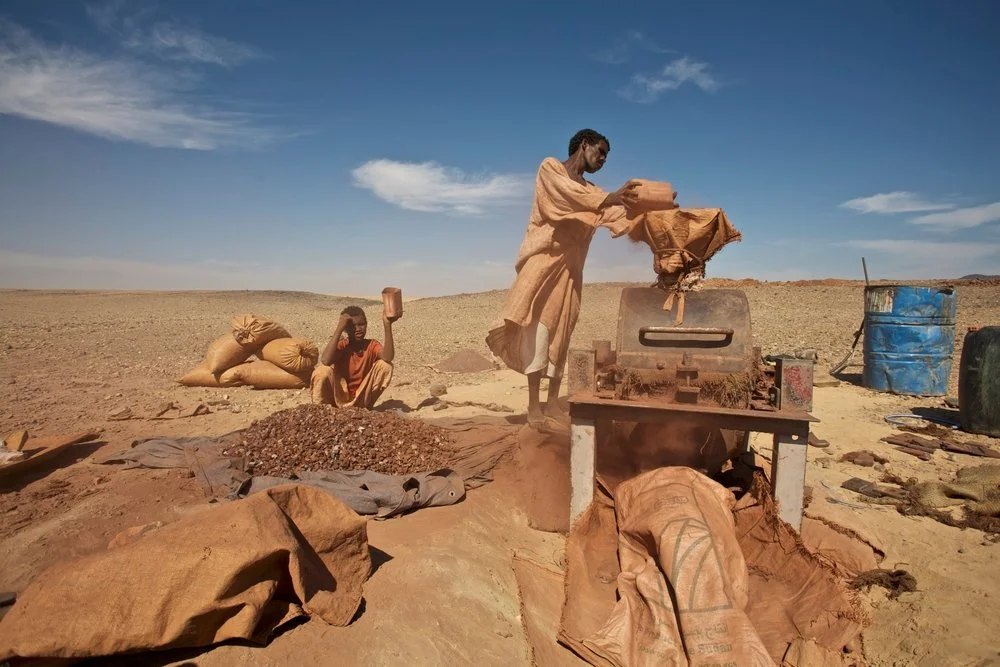
Following the Money Fueling Environmental Destruction in War: A Case Study from Sudan
Mathani Ahmed writes for the Global Investigative Journalism Network (GIJN): In fragile, conflict-ridden states like Sudan, environmental harm is a byproduct of the economic strategies. When companies or state-linked entities avoid the high costs of treating industrial pollution or waste, their saved money eventually acts as an unreported subsidy that journalists can trace to understand why pollution is permitted to continue.
When Repression Wears a Suit: How Law Became the World’s Most Powerful Weapon Against Dissent
In the first installment of her mini-series, Defending the Defenders: The Global Rise of Legalized Repression, Gaia Guatri examines how repression is evolving to encompass lawfare, judicial harassment, detention, and other forms of “legal containment.”
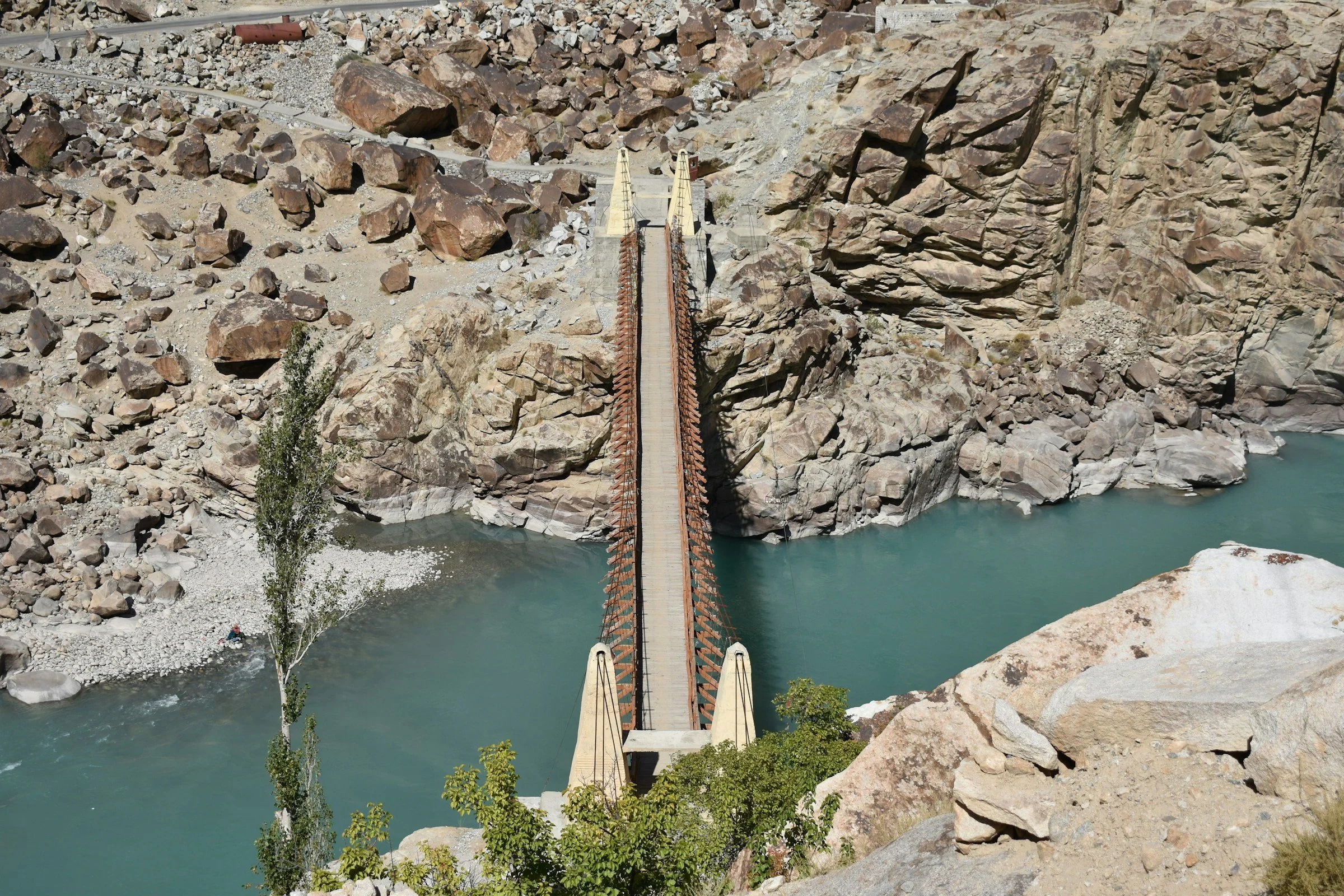
International Water Law and Our Post-Crisis Reality
In January 2026, a flagship report by UN researchers disclosed that the world has entered a new era of ‘water bankruptcy’. Mariam Waqar Khattak analyzes the implications.
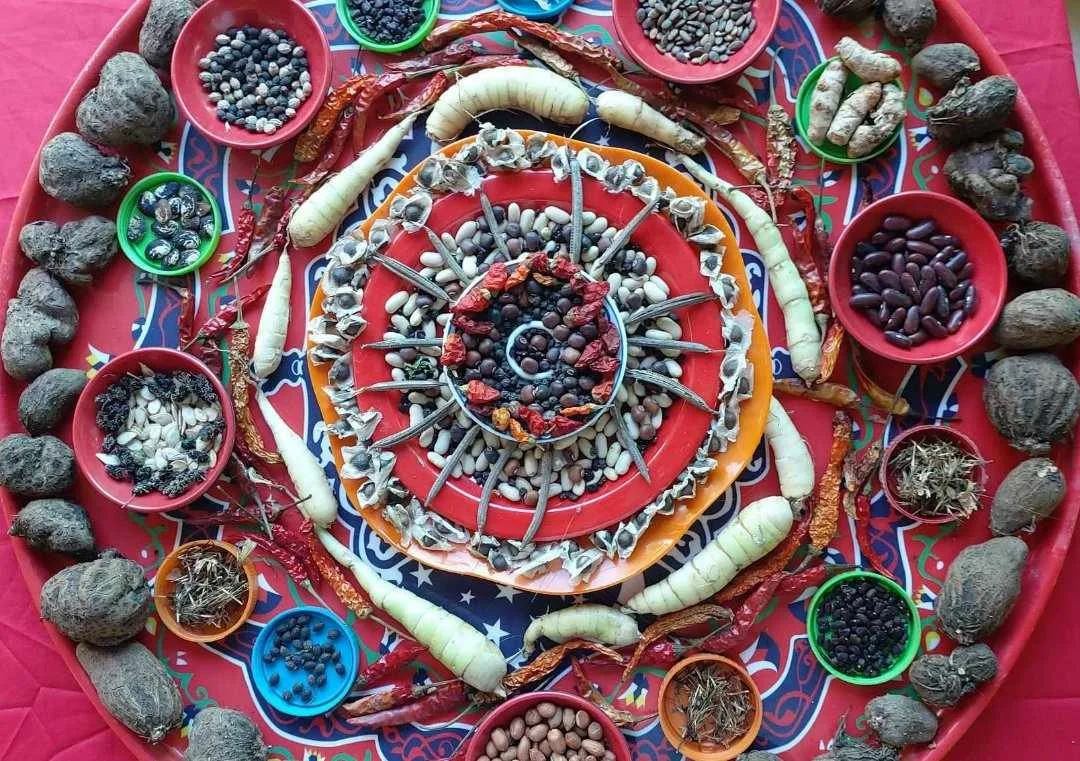
Imminent Ecosystem Collapse Demands a Food System Transition
The framework of food sovereignty remains a powerful alternative to an agribusiness food system that is fueling the climate crisis, writes Adam Termote.

What’s Left in Spain: Responses to Rufián Reveal Old Divisions and New Opportunities
John Collins surveys some of the key perspectives within an ongoing dialogue about the present and future of Spain’s perpetually fragmented Left. Is a change on the horizon?

American Shock: The NYT Magazine Goes to Minnesota
The “newspaper of record’ misses a golden opportunity to explain the material connections between violence “there” and violence “here.”

The Rich Are to Blame for Climate Change - Don’t Let Them Fool Us!
The common message of “we are all to blame, we all have to do our part” serves to shield the global elite from responsibility for the current crisis, writes Fernando Luengo.
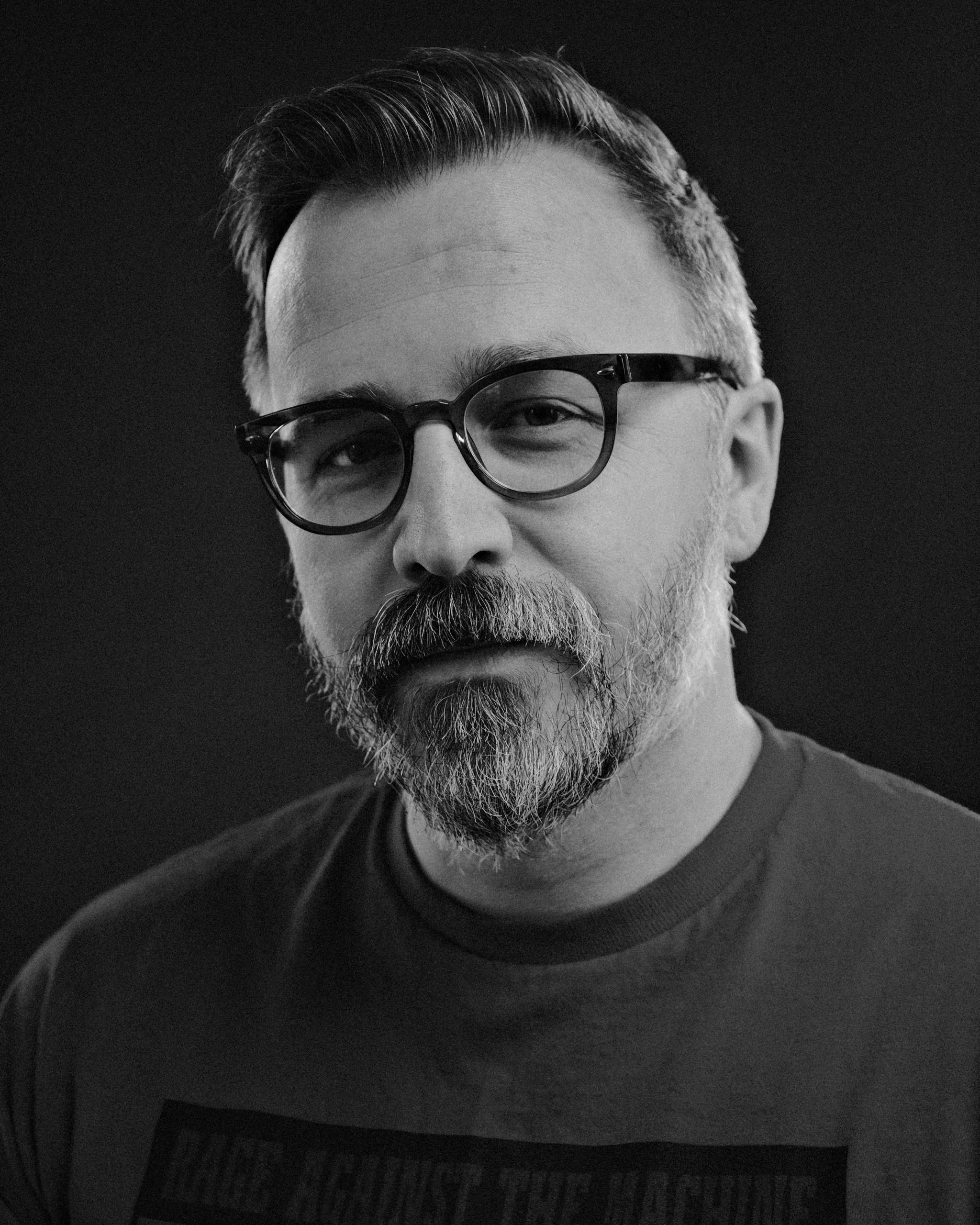
Geo Maher: US Attack on Venezuela Must Be Seen in the Context of US Imperial Decline
In a Q&A recently conducted on Facebook, the widely cited author of We Created Chávez argues that the US attack “was never about democracy or drugs” and that “revolution is a process - always.”

Echoes & Algorithms: Cognitive Occupation - AI, Influence, and the New Machinery of Narrative Warfare
On the latest phase in the weaponization of social media and LLMs.

The Invisible Labor Behind Moshi’s Brand
How low-income women profit in the Urban Kilimanjaro region
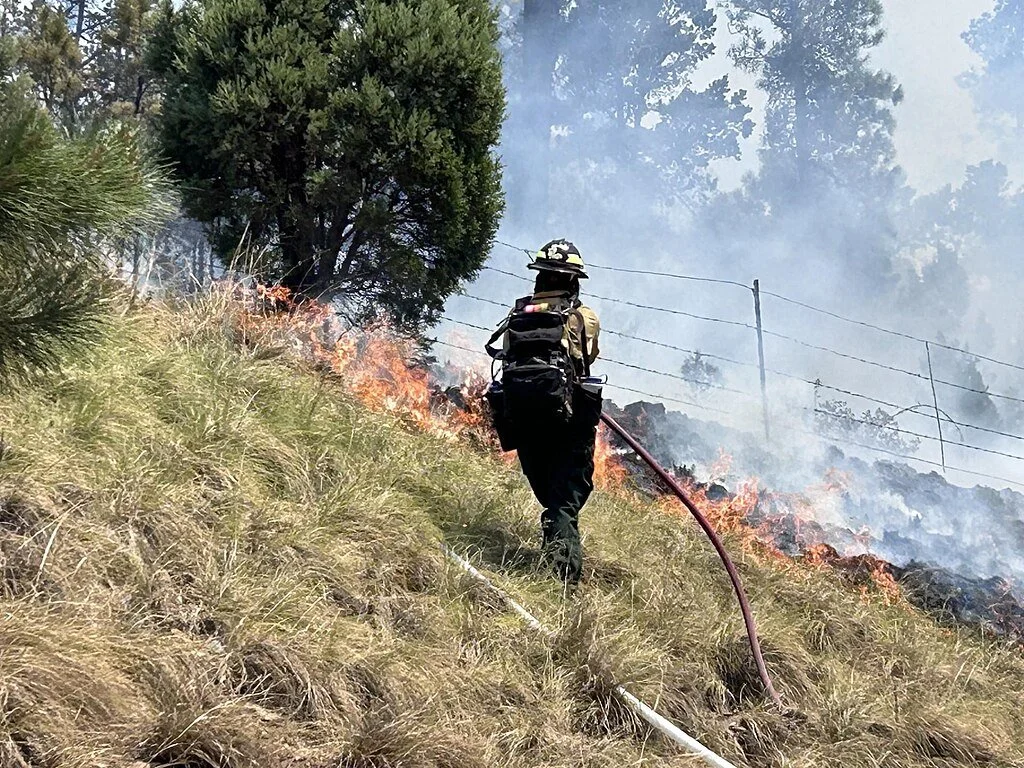

Echoes & Algorithms: How Grassroots Journalism Can Be a Disturber of AI
What kind of future is being constructed in our name? And who profits from its manufactured inevitability?