Geo Maher: US Attack on Venezuela Must Be Seen in the Context of US Imperial Decline
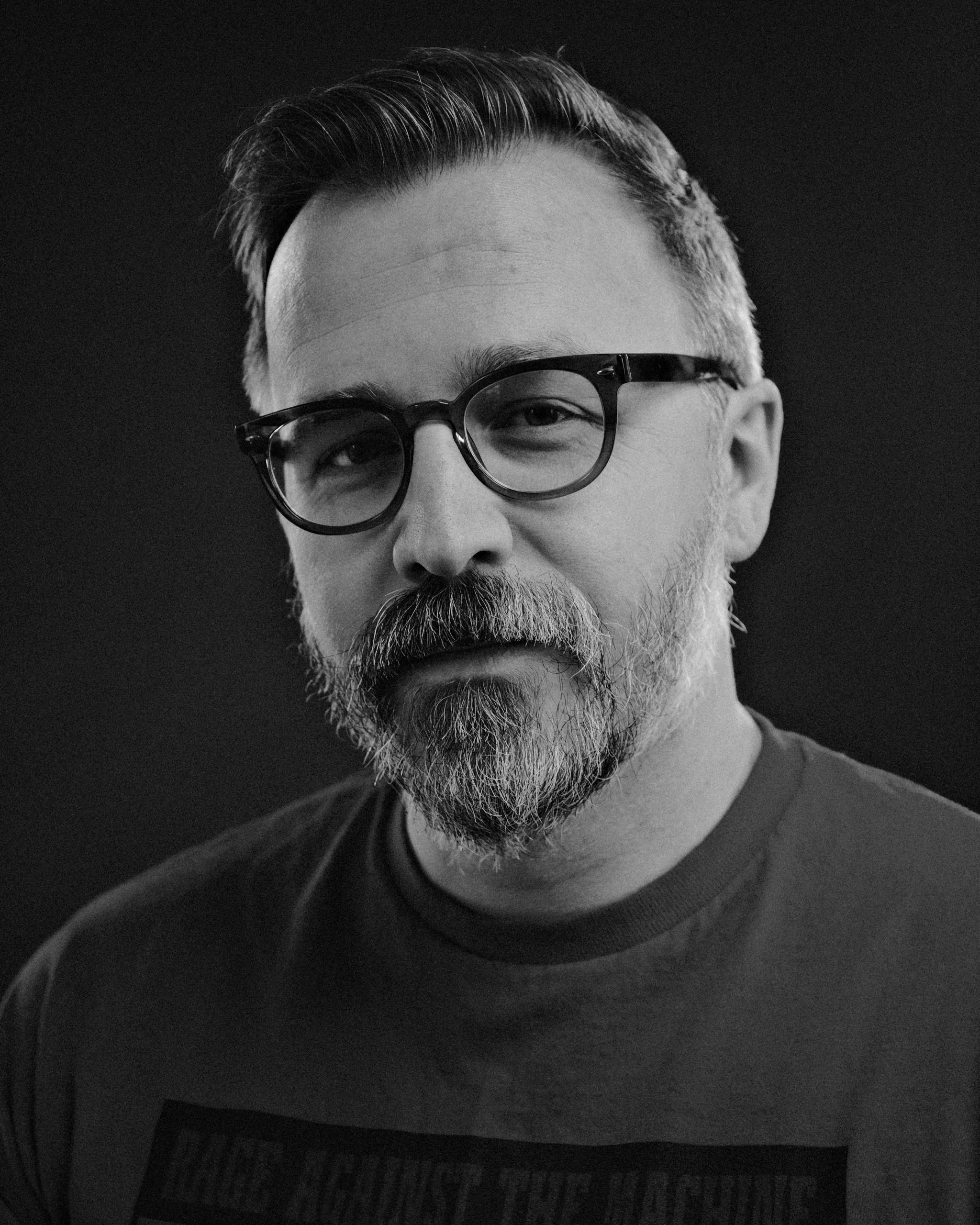
Photo: https://geomaher.com/
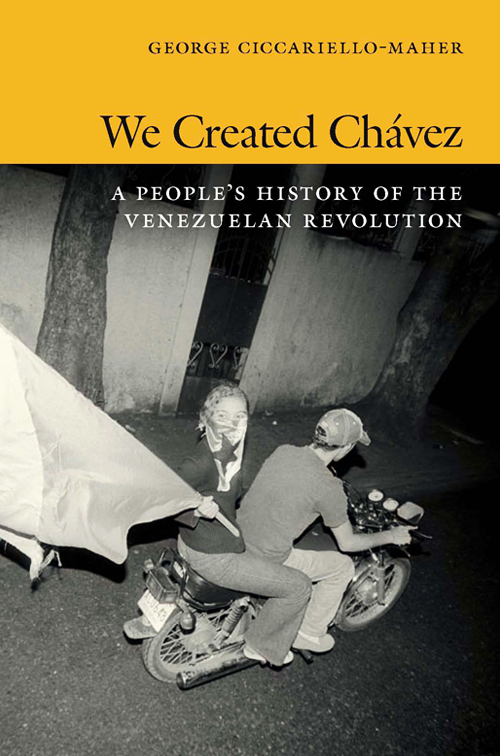
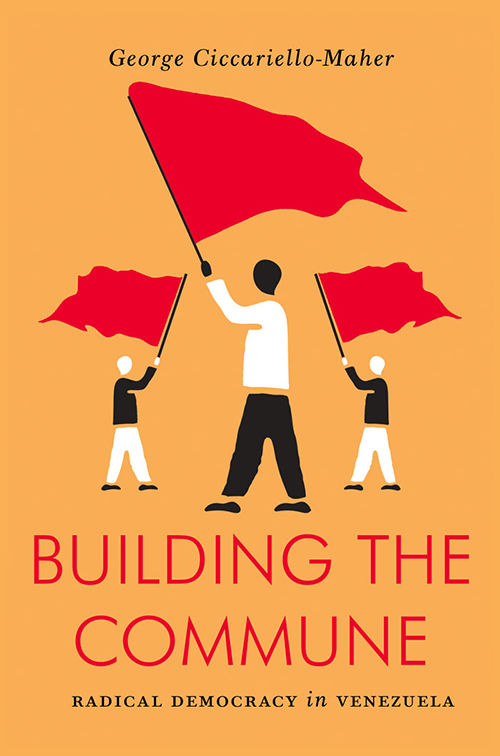
Following the January 3, 2026 US military attack on Venezuela, when US forces seized Venezuelan President Nicolás Maduro and his wife Cilia Flores, abolitionist author Geo Maher conducted a public Q&A on Facebook. Among Maher’s many publications on contemporary politics, political theory, and revolutionary movements are the celebrated book We Created Chávez: A People's History of the Venezuelan Revolution (Duke UP, 2013) as well as the follow-up Building the Commune: Radical Democracy in Venezuela (Verso, 2016). He is currently the Coordinator of the W.E.B. Du Bois Movement School for Abolition & Reconstruction.
Below we provide selections from Maher’s Q&A, in which he addressed not only the US attack itself, but also the deeper context of the crisis of the Bolivarian revolution in Venezuela, the larger geopolitical dynamics in which the US-Venezuela relationship is embedded, and some possible scenarios for the immediate future. We have removed the names of the questioners and reorganized the material to maximize thematic continuity.
On the US attack and accusations against Maduro
Q: What do you think the average American is missing (information-wise) about what has happened in the last few days?
I think some things are obvious to many Americans: that this is an illegal act, that the true motivations are oil and political power, that it was never about democracy or drugs, and that it won't turn out well. What many people don't understand is that: the Bolivarian Revolution is an incredibly important experiment in socialism and democracy that dramatically improved the lives of millions (before entering into a profound crisis), and that a decline in public support for the Revolution has *everything* to do with US sanctions (that's the point of the sanctions), and that this decline in support for Maduro is *not* an increase in support for the Venezuelan opposition.
Q: Did Delcy Rodriguez betray Maduro or is that claim a destabilizing rumor?
I wish it were just a rumor, but only time will tell for sure.
Q: I had a good working knowledge of the Chavez administration, but I am extremely out of the loop on everything Maduro, including how “legitimate” his elections have been and how “authoritarian” and repressive he’s been. How do I respond to the Democrats and folks left of them who are denouncing the kidnapping of Maduro while at the same time making sure to declare Maduro an “illegitimate” “authoritarian” “dictator” who has committed election fraud and repressed dissent. Aside from the obviously problematic victim-blaming aspect of this rhetoric, please give me some insight on how accurate or wrong the election-stealing dictator accusations are.
This intervention has nothing to do with elections or democracy, and to fall for the misdirection is a huge error. If Maduro was truly authoritarian or a dictator, the economy would honestly be doing better! But instead, he was entrusted with a vast bureaucratic state, an economic crisis, and various sectors vying for political power (including the grassroots). When it comes to repression, we need to always remember that what matters most is whether the poorest, the left, the grassroots are being repressed (see The Black Jacobins). And there has been some of that.
Q: Could you point to any reputable resources to fact-check whether or not Venezuela is actually involved in drug trafficking? If so…which drugs and where do they go? If not, could you help explain why this claim is being made by the Trump admin that Venezuela is a "narco-state?"
There is no basis for those claims and we shouldn’t treat them [as] serious. That’s a separate question from the reality of the drug trade, which began to shift a decade or so back, with Venezuela [becoming] a transit route for a small percentage of cocaine out of Colombia (less than 15% by most estimates). No fentanyl of course and the cocaine isn’t produced in Venezuela. It’s just a very convenient transit route and that brought significant violence to the country. I’m sure some local government officials and border military officials are corrupt and involved but that’s about it.
Context: an ongoing and besieged revolution
Q: Why do so many American leftists refer to Maduro as a dictator and an illegitimate President?
Bad politics and poor judgment? I'm half joking but the reality is that revolution is a process -- always. And an incredibly complex process at that. We need to be better at gauging the needs of that process in a way that doesn't simply denounce the process itself as counter-revolution, without embracing liberal criteria for success (authoritarianism etc), and without judging every misstep of a revolutionary process as a betrayal. These are not easy things to judge from afar, as this week will make more than clear.
Q: Did Maduro really win the most recent election? And how do you predict historians of the future assess his time in power overall?
The numbers both sides offered were questionable imho. The opposition routinely lies about election results, but at the same time, the sanctions, crisis, and internal politics certainly impacted Maduro's support. And the point of sanctions is precisely to force the population to vote the government out.
Q: I have Venezuelan friends who have experienced the oppression imposed by the Maduro government and say he's an evil dictator. They are not wealthy, white or supporters of the opposition. While other Venezuelans, who are Chavistas, say that Maduro is not a dictator and has overwhelming support. What's your analysis on that? I want to be respectful to everyone's experiences.
Good question. The opposition used to be almost entirely white and wealthy, but that's no longer the case. The crisis has generalized, people have suffered hunger, and state forces have acted in ways we probably wouldn't like. This isn't about a single leader, and even if we have questions about a single election, Maduro isn't a dictator simply because he's not able to singlehandedly move the government and the state -- this is exactly the problem. But the reason people have suffered is the crisis, and there's no way to understand the severity of the crisis without confronting the sanctions that have made it almost impossible for the Venezuelan economy to function.
Q: How was Maduro with regard to the communes?
He wasn't an enemy of the communes by any means, naming two well-known radicals as communes minister (first Reinaldo Iturriza and now Ángel Prado, who comes from the El Maizal commune). But in the overarching picture of power relations within and outside the government, the communes have lost influence and power as the private sector and military have gained influence. As I have argued, the crisis itself is a double-edged blade for the communes: reinforcing their necessity as imports become scarce, but also making communal production difficult due to a lack of imported supplies and inputs.
Q: How/where can I find information/updates from the grassroots sectors? Do they publish statements etc?
There aren't too many great ways -- keep an eye on Venezuela Analysis for sure and https://www.aporrea.org/.
Q: To what extent did Maduro's moves post-Chavez under intense US pressure erode the government's social base and make this kind of intervention easier for the US?
To a large extent. But the reality is that these moves were made under severe pressure from the outset, since 2013, when Chávez died, the opposition went on the attack, and oil prices plummeted simultaneously. We may disagree with some strategies (I do), but those decisions were made under incredibly difficult circumstances.
Q: What do the various leftist categories in Venezuela have to say about Maduro-as-dictator, and how do their criticisms implicate the legitimacy of the present regime? (I know that none of them prefer an externally forced regime change, but that’s another issue entirely—though worth noting as a starting point.)
There are many sectors of the far left (anarchist to Trotskyist to the Communist Party) that are sharply critical of Maduro's leadership, although not usually as "dictator," more for the perceived accommodation with corrupt forces and private capital at the expense of the people. These critiques are real and valid, but the key question is: how do we understand a revolution as process?
Q: Can you outline/explain the cronyism/authoritarian actions taken by Chavez and later Maduro? Were they reactive to external forces or internal attempts to solidify state power? And to what extent should we take seriously the accusations/assertions that both governments were siphoning funds from oil sales?
I don't think authoritarianism is a useful category at all -- if anything, inertia and the absence of true authority were characteristic of the Maduro government. As for cronyism/corruption: yes, these have been permanent features of the Venezuelan state for a century, and were not specific to Chavismo. They were endemic to an oil state in which almost ALL resources pass through the government. Under Chávez, there was some leverage to push back on it, but even then huge amounts of resources were misappropriated (to be clear, this isn't strictly about government actors, but largely involved private sector capitalists getting government contracts and stealing the money). Under Maduro, it has certainly been harder to gain leverage to fight corruption.
Q: What is your take on the allegations of political repression, extrajudicial killings, mistreatment and torture of prisoners under Maduro (and Chavez for that matter)?
There have been cases of political repression of the left and police killings of especially the poorest in the barrios. But we shouldn't conflate these with claims by the right-wing opposition that they are somehow victims of a systematically repressive regime.
Q: Why are some Venezuelans in opposition to Maduro if the material conditions improved so much after nationalization of the oil?
Material conditions improved until around 2012, but plummeted afterward as a result of 1.) collapsing oil prices, 2.) errors in the currency control system, and then 3.) sanctions, especially after 2014, 2017, and 2019. When people struggle to eat, they most often blame their own government.
Geopolitical dynamics: oil, blockades, and power politics
Q: I heard the claim that, at least with respect to the oil economy, the impact of US sanctions is relatively recent (2019) and in fact oil production was tanked long ago by Chavez’s replacement of qualified technicians with political loyalists. To what extent is this the case, and is it possible to distinguish the impact of sanctions from the impact of state mismanagement and to make a statement about their relative significance?
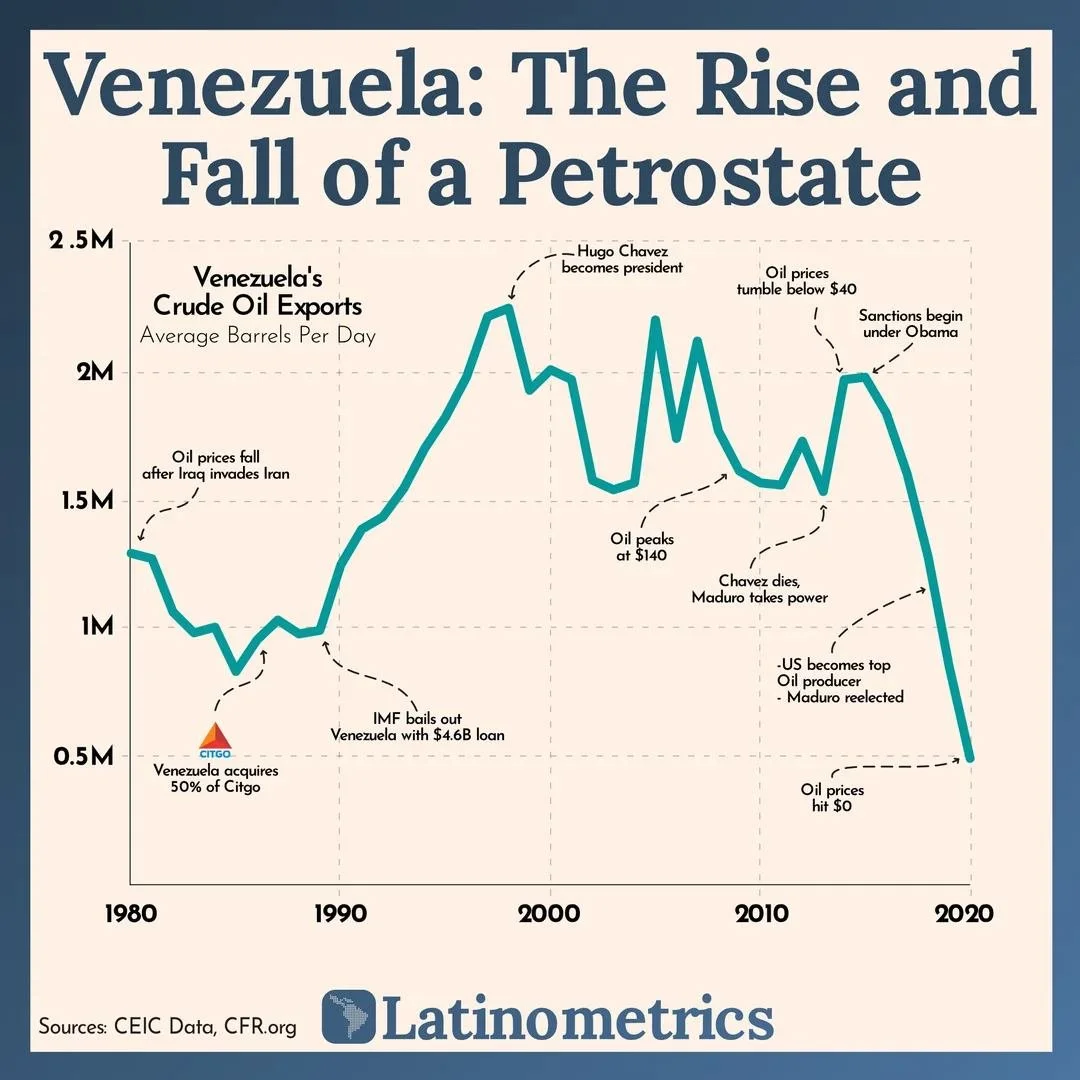
This is a really good question, and people don't understand it well enough. The oil economy is complex and expensive to maintain, and requires lots of parts and chemical inputs. The industry was declining before the sanctions really hit, yes. The crisis was already taking its toll, there was corruption, and oil prices were falling. But the sanctions (which started much earlier, under Obama!) absolutely obliterated it. On the production side because there was no way to buy the parts and acquire the inputs, and on the market side because there was no way to sell it (and there was TOO MUCH oil sitting in Venezuelan tanks under sanctions), and what was sold was expensive to ship and sold at deep discounts. Here's a visualization:
Q: Can you explain and/or point to good sources regarding the CITGO debt and how this frees up legal actions over assets?
Good question. CITGO assets had already been seized, and very controversially handed over to a fake US opposition. Just a month ago, the US approved the forced sale of CITGO, which dovetails smoothly with Trump's plans to do the same in Venezuela https://venezuelanalysis.com/.../us-judge-authorizes.../.
Q: Do you think Cuba stands a chance to survive without Venezuelan oil and help?
Without the blockade, yes. With the blockade and Marco Rubio drooling over settling familial scores, it looks very dire.
Q: Whether or not Delcy’s administration is biding time with the collaboration-point or considering some opening at gun-point, Maduro also met a Chinese delegation before the attack. Does the Venezuelan-Chinese collab on energy and strategic raw materials-infrastructure provide some relative wiggle room now for the Venezuelan economy? Or is that neutralized by the continuation of the aggressive US naval blockade and piracy?
I'm not sure it provides much wiggle room now, even if it has been a relative lifeline (this isn't "imperialism" but Chinese interests in Venezuela don't align directly with what the people want and need). Trump's move is geared toward cutting this off entirely.
On what comes next and what is to be done
Q: Will Delcy Rodriguez and the rest of the government refuse to accommodate to America, or will they allow the US to restructure it to its interests in exchange for survival?
The government is in an incredibly tight spot, so on the one hand it's hard to blame them for biding their time rhetorically at least, in an attempt to wait out Trump's interest / term in office. But it is looking increasingly like they are leaning toward accommodation, and this makes sense given who is in power at the moment (there's more to say here, but while the cabinet has some true radicals, the leading sector isn't the most revolutionary).
Q: I guess my biggest question would be what are the legal tools that may be used by Venezuela and the International Community to punish this aggression, and do any have any "teeth" at all? Is there any hope of support from the global south from Russia, China, or the EU or will any resistance have to come from Latinam itself?
I'm pessimistic. The international community will denounce and demonstrate that this is a blatantly illegal act. Mexico and Colombia are showing some backbone even though they are being threatened with the same. Russia and China will oppose it with words and seek to stabilize the existing government. But it won't matter much to the US government. WE need to shut this down within the US, while the Venezuelan grassroots work to restore a truly revolutionary process on the ground.
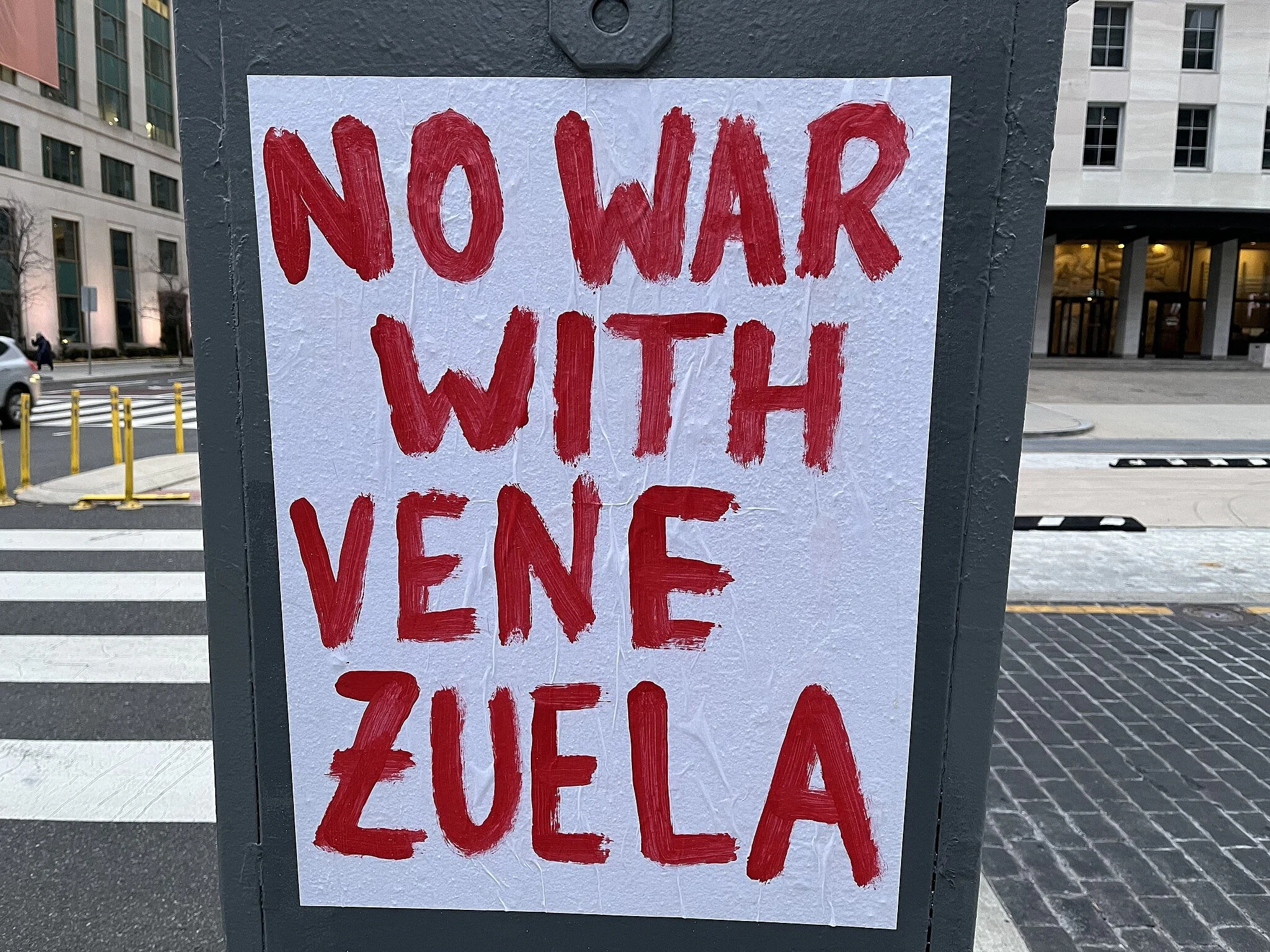
"No War With Venezuela" sign, 16th Street, N.W., Washington, D.C., 5 January 2026. (Photo: Nvss132, CC0, via Wikimedia Commons)
Q: What are the primary forces within the imperial core behind this aggression? What will the international [community's] reaction be? Did Maduro's VP sell him out? What if anything can I do within the imperial core?
The US empire is in full terminal decline, and Trump knows this and is more honest about it than the Democrats. His strategy is transparent: to use the projection of power (Rubio's terms) to reassert and prop up US power. From threats of tariffs to direct interventions, force is used to reset the terms for negotiating US access to resources and markets. This is about oil, but also about projecting that power and control, breaking an alternative vision, empowering the right across the region.
Q: I have a really basic question: at this point, what can US citizens do to push back against the revitalization of the Monroe Doctrine? Criticizing the State Department on Twitter seems more cathartic than effective.
This is the primary work of Americans, to demand the return of Maduro & Cilia, to demand the lifting of the sanctions, and to push back on the bipartisan return to the Monroe Doctrine. Force Democrats to stick to the line that this is illegal, to cut funding like they did in the 1980s (Iran-Contra), and to push back hard in the streets and the media.
Q: What's the best thing to hope for now? What's the biggest thing to worry about/watch for?
Best case: a reactivation of the revolution from below, but that's an uphill struggle under any circumstances. More likely scenario is a complex and opaque process of negotiation with the Trump admin that could last weeks, months, years? Watch for what the grassroots sectors demand…
Q: What do you anticipate the response among the masses in Venezuela will be? How about organizations, like political parties, trade unions, etc.? One of the prevailing thoughts I've had since yesterday has been that if there's any way to meaningfully test the so-called illegitimacy of Maduro as a leader, an illegal kidnapping of him to face criminal charges in an entirely different nation state would be one way.
Venezuelans are more conscious and organized than most places on earth, and there has already been a significant mobilization of the bases and radical organizations. But a brutal economic crisis and sanctions have taken a serious toll. And the government is currently discouraging mobilization in ways that are confusing the grassroots and sowing suspicion.
Q: What are the chances of a civil war?
Much higher now, but it will depend on whether or not the leadership sells out the Revolution to appease Trump. The revolutionary backbone of the revolution still exists and won't accept a US occupation.