
Stories
News







Analysis








Voices









Podcast


Announcements




Events




All Stories

Ecocentrism – Looking to Other Ways of Knowing
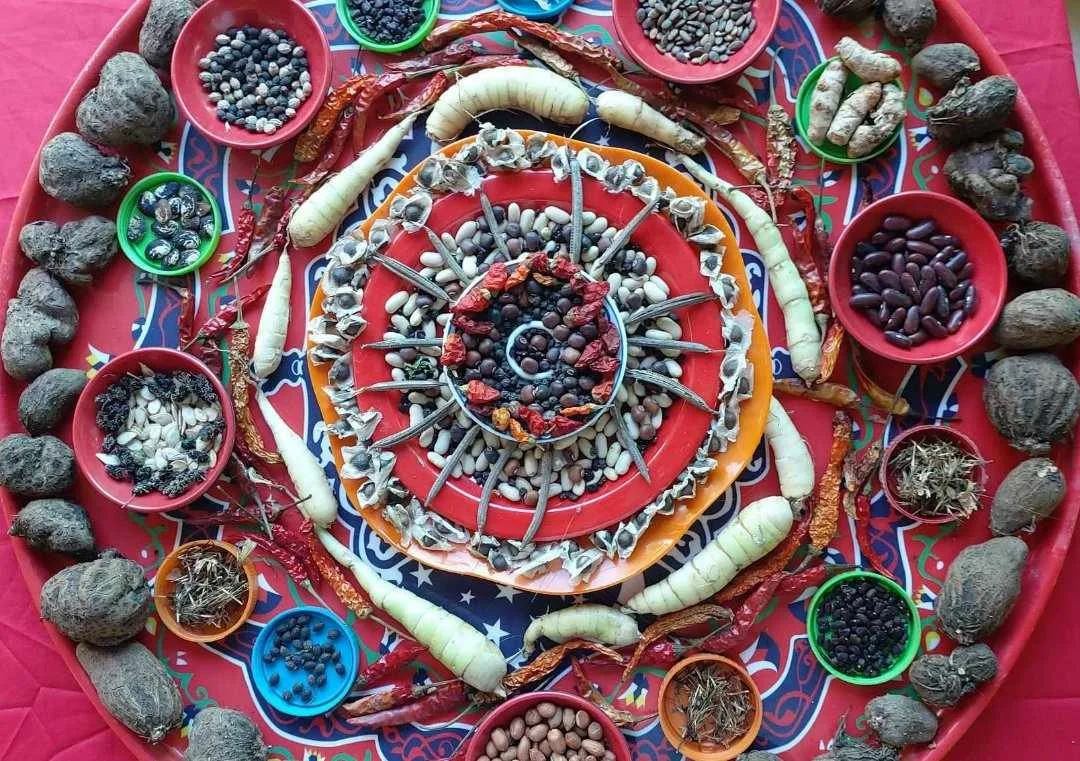
In his second article previewing the upcoming North Country Art, Land, and Environment Summit to be held from September 9 to October 2, Derek Sherrange draws on the work of Dr. Claudia Ford (SUNY Potsdam) to explore the tensions between mainstream (settler) environmentalism and indigenous paradigms grounded in ecocentrism and traditional ecological knowledge.

On Settler Colonialism: Hearing from the Kanien:keha'ka (Mohawk) Nation
In preparation for the upcoming North Country Art, Land, and Environment Summit to be held from September 9 to October 2, Derek Sherrange begins a new series on food sovereignty and decolonization. In this first installment, Sherrange provides an overview of the concept of settler colonialism and shares the insights of Katsitsionni Fox (Bear Clan), a Kanien:keha'ka (Mohawk) artist, filmmaker, and educator.

"My COVID Summer" : Students Share Experiences, Hopes for the Future
St. Lawrence University students, like students everywhere, have faced a range of issues connected to the global pandemic. Weave contributor and editor Nicole Roché reached out to former students from all over the country—and all over the world—asking them to share their experiences from this difficult summer.
Here are their stories.

Sentiments of a Black Scientist: Letter to My White Colleagues
“You have the privilege to choose when you want to listen, reflect, and act on diversity in STEM. Because you have chosen, for now, to listen, can I make a suggestion? Rather than replying with sympathy, stories, and silver linings, develop a plan for what you’re going to do to change.” In his contribution to our Surviving PWIs for POC series, Charles Scaife writes a letter to white scientists.

How Was Your Weekend?
To break the awkwardness of a group discussion, a student asks, “how was your weekend?” For Namarig Kram, the question from a white classmate was a window into the dynamics of racism on and around her university campus in northern NY. Read her story in the latest installment of our Surviving PWIs for POC series.

Straddling Gratitude and Resentment
In the latest installment of our Surviving PWIs for POC series, Karen Chalamilla reflects on her postgrad education at SOAS (University of London). “Simply being critical of Euro-patriarchal thinking will never be enough,” writes Chalamilla. “Its dominance runs too deep. If this is what academic institutions consider to be decolonization, then we ought to question whether the project is worth our energy at all.”

SLU Faculty Letter to the Community About Systemic Racism in America
A statement released on June 11, 2020, by members of the local AAUP chapter at St. Lawrence University (Canton, NY) and other St. Lawrence faculty members in response to systemic racism and the nationwide and worldwide protests against following the police killing of George Floyd.

Open Letter to the American People from Burma/Myanmar Human Rights/Activist Groups
This open letter from Burma/Myanmar human rights activists was originally published on Facebook and is reprinted here with the permission of the authors. It expresses “solidarity with American people protesting against racism and police brutality.”

The Killing of George Floyd: International Reactions (UPDATING)
This post gathers international responses to the killing of George Floyd in Minneapolis. While this is obviously a major news story in the United States, it is important to understand that the world is watching is well. The post will be updated regularly.

Campus Quarantine: A Student Documentary
Weave News is proud to join The Hill News (the St. Lawrence University student newspaper) in co-publishing Campus Quarantine, a new documentary about students stuck on campus during the COVID-19 pandemic. Filmed and directed by Meiting Li, the documentary features excerpts from interviews conducted with St. Lawrence students, including graduating seniors, who remained on campus during the period of “remote learning” at the end of the Spring 2020 semester. What was it like for them? What challenges have they been facing? What have they learned from the experience, and what are they looking forward to?
Let's Celebrate Earth Guardians and Environmental Solutions
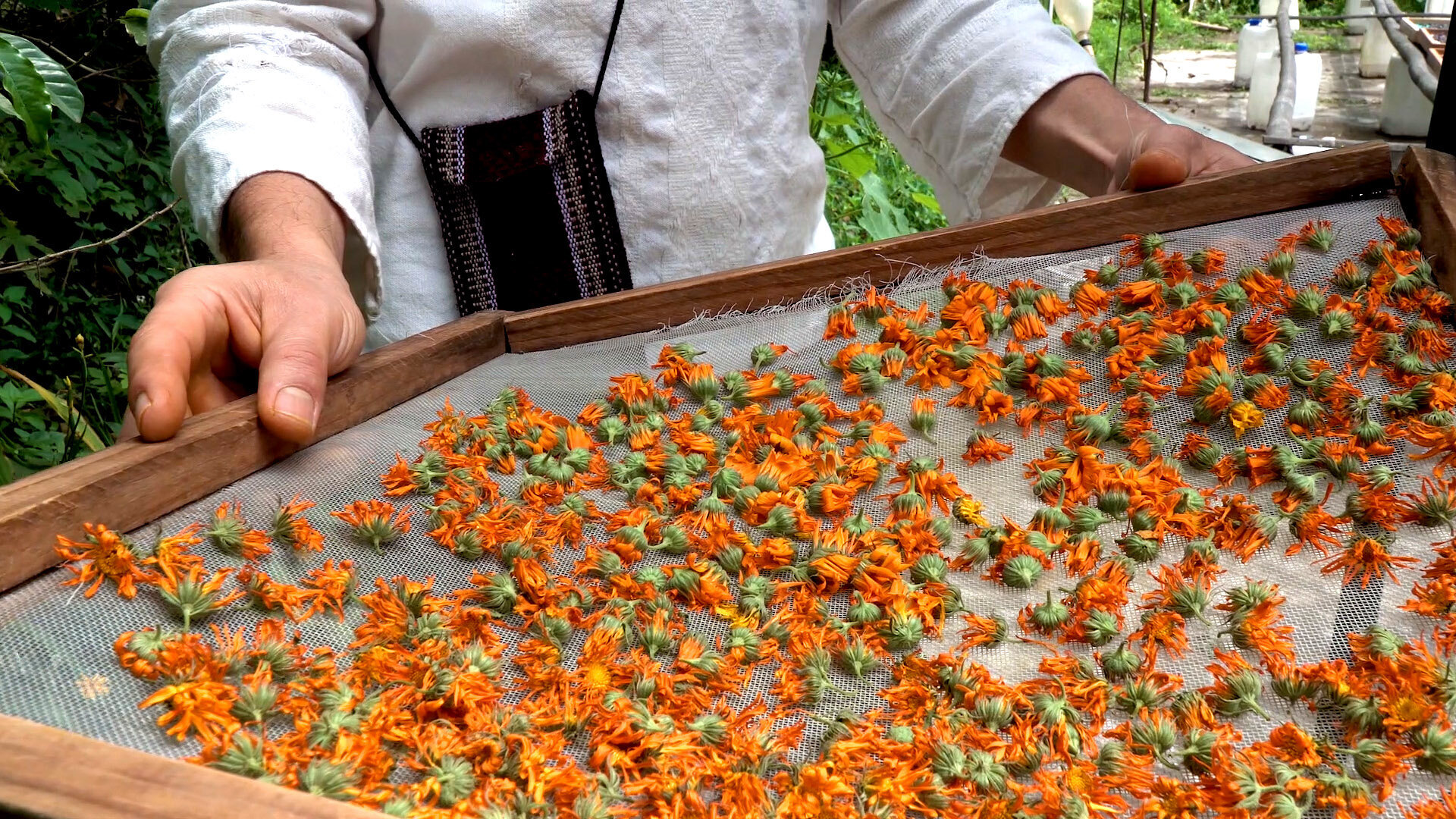
On this Earth Day, we from the Talking Wings Collective are saying no to doom and gloom. Especially during the current pandemic, it is easy to succumb to an apocalyptic worldview. But we must also celebrate the brave work of human communities who are striving to plant the seeds of global/local change. At this very moment, these “earth and water guardians” are pushing back the hands of the doomsday clock and working against time to create a sustainable and regenerative future.

Quarantine Demands Rethinking the 'Educational Factory'
Sara Monggaard reflects on the implications of the pandemic for the experience of university students. “I believe in this period of monumental global pause, unity and introspection, we have a unique window to look forward. It is time to tear our structures apart and rethink the purpose of ‘education’ with restructured learning objectives and methods. What does it mean to be educated? What should education prepare us to tackle?”
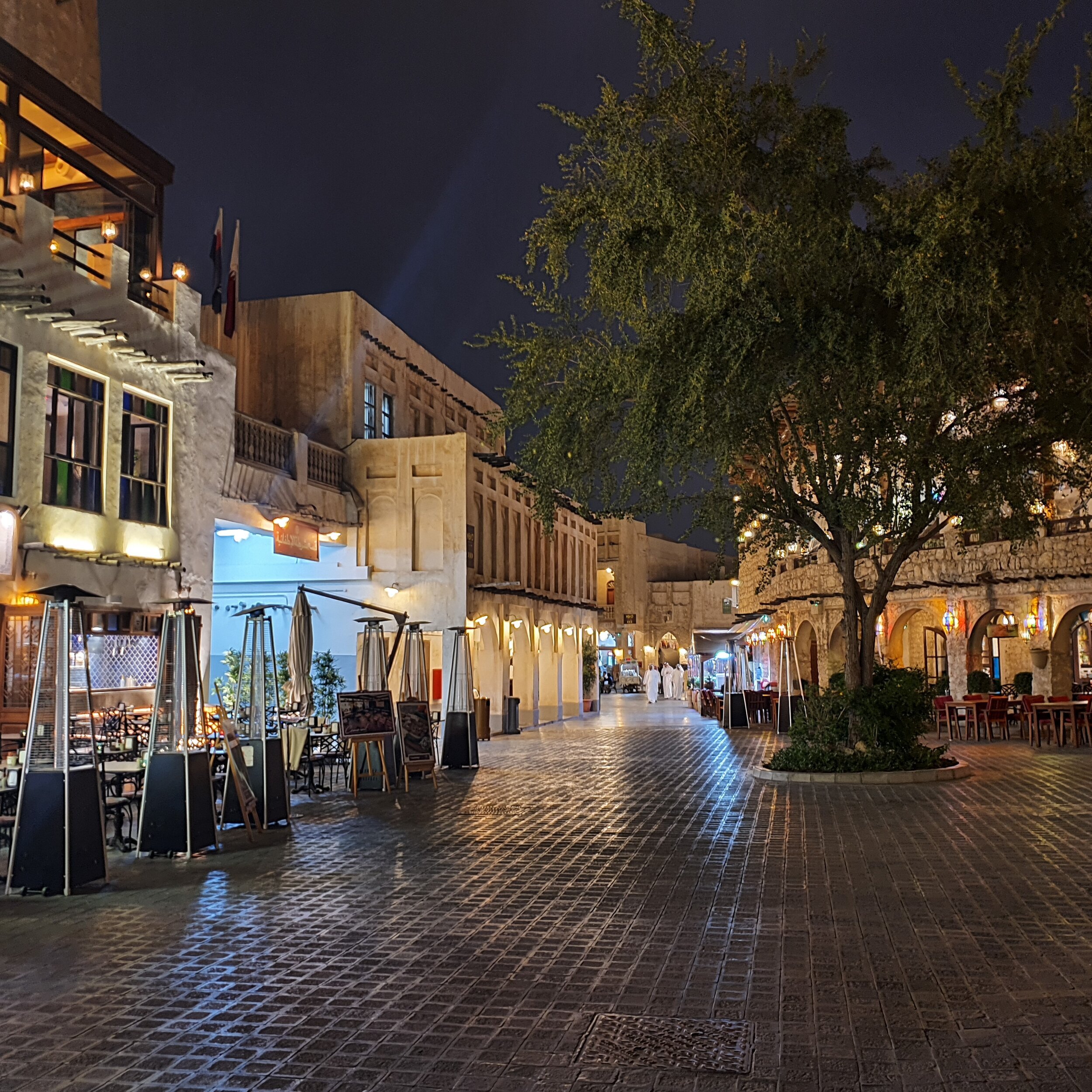
If the Gaza blockade was a virus, would the world react differently?
Ali Abusheikh writes from Doha, Qatar amidst the COVID-19 crisis, but he is also thinking of his home - Gaza. ““I sympathize with the world. I understand people's fear. Why wouldn't I? I already know what it is like to be stuck at home for weeks when it is not safe to go out. (And in the case of Gaza, staying at home isn't enough to protect you; Israeli missiles can just as easily find you there.) I already know how it feels to unexpectedly have to cancel weddings and other special occasions. I grew up being unable to travel.”
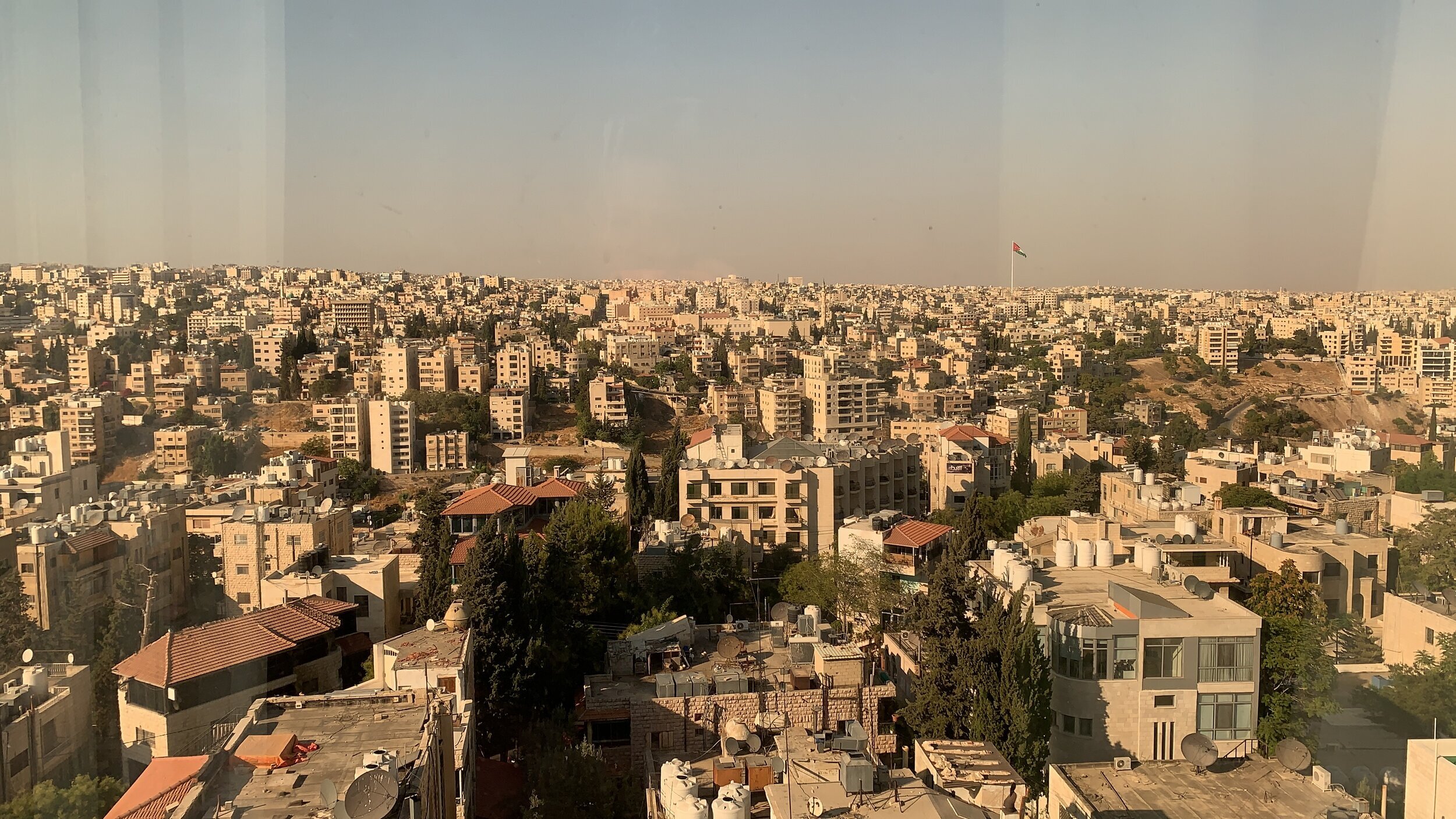
Amman: A Blank Canvas For Public Expression
By Cassandra Kunert
In her second contribution to our Weaving the Streets series, Cassandra Kunert checks in from Jordan’s capital, Amman. “While the street art movement in Amman is only beginning to emerge, the artists have taken the blank canvas of the city to express both the personal and the public,” she writes. “Inshallah, in the years to come they will continue using public spaces for artistic expression.”

Expressing Unity and Revolution: Lebanon 2019
By Cassandra Kunert
In her first installment for our Weaving the Streets project, Cassandra Kunert reports on what she observed when she went to Beirut, Lebanon, in search of street art - only to find a city whose population was rising up in huge numbers against the existing political and economic order.

“In My Own Backyard”: SUNY Potsdam Professor on Archaeology as Entry Point to Local History, Instrument of Social Justice
By Nicole Roché
“I think there’s something really compelling about living and researching in the same place. To feel more grounded, quite literally, by going into the ground. I think there’s a power to that. Of staying and learning more about where you live.” Nicole Roché introduces us to Dr. Hadley Kruczek-Aaron, who does archaeological research at the intersection of local history and social justice.

Becoming Visible: Navigating Addiction in the North Country
By Connie Jenkins
What do we encounter every day that most of us just don't see? The cruelest life circumstances are translated into statistics — cold percentages that don’t fully show the heartache of poverty, addiction, crime, and loss. The numbers represent real people in our hometowns who are struggling to cope, to build or rebuild their lives, but it’s as if they’re invisible to us. Connie Jenkins introduces us to two “life in progress” stories of North Country residents who have battled substance abuse.
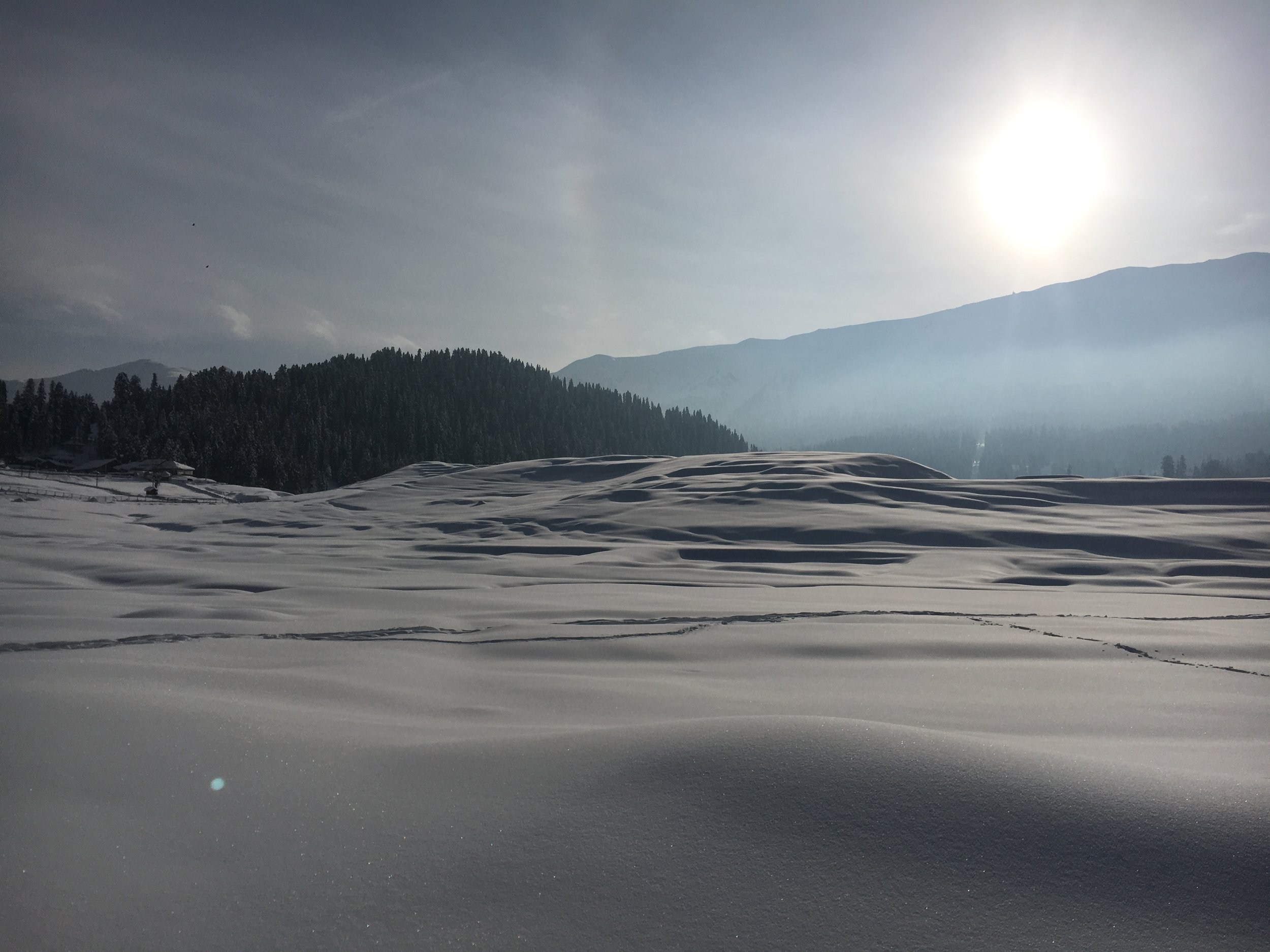
Scarred Childhoods of the Kashmir Conflict
By Ifat Gazia
“I want children of the future to have memories different than my own - so that when they remember the sunshine, it is not in the pain of loss, in the heat of flames,” write Ifat Gazia in her first piece for Weave News. Gazia has lived through the daily reality of militarization in Kashmir, where the impact on ordinary people is tremendously underreported. Join her on this journey of memory, anger, and hope.
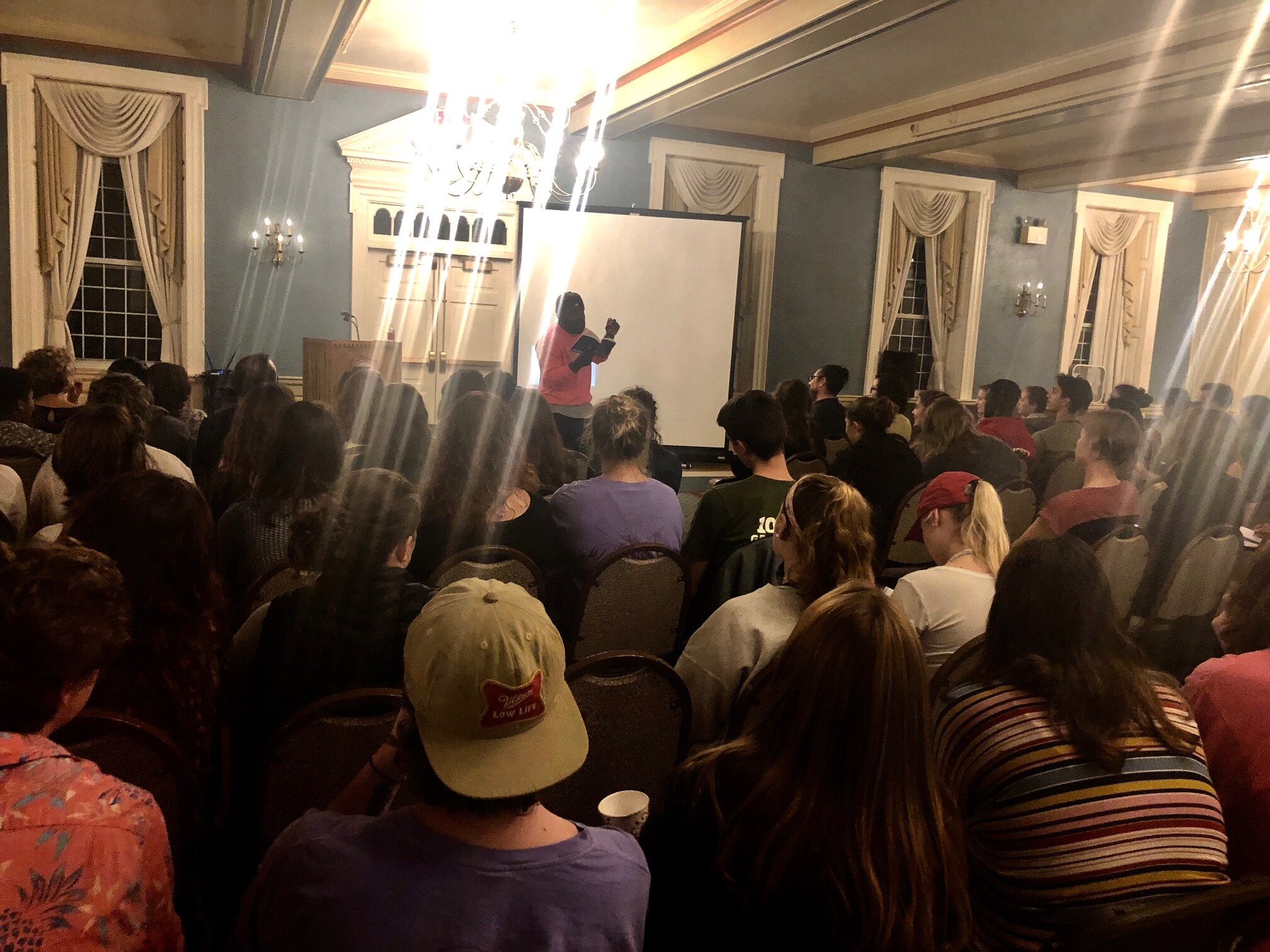
Interweaving with Hanif Abdurraqib: “To know that I cannot move the world on my own means that I can’t be silent”
By Nicole Roché
On the morning of October, 11, 2018, poet and essayist Hanif Abdurraqib spoke with students on the St. Lawrence University campus, where the subjects ranged from Kanye West to Black Lives Matter to Abdurraqib’s extensive sneaker collection. After the Q&A, Nicole Roché, who teaches a class about storytelling and identity in the first-year program at St. Lawrence, interviewed Abdurraqib about his work and about his experiences talking with young people in America.
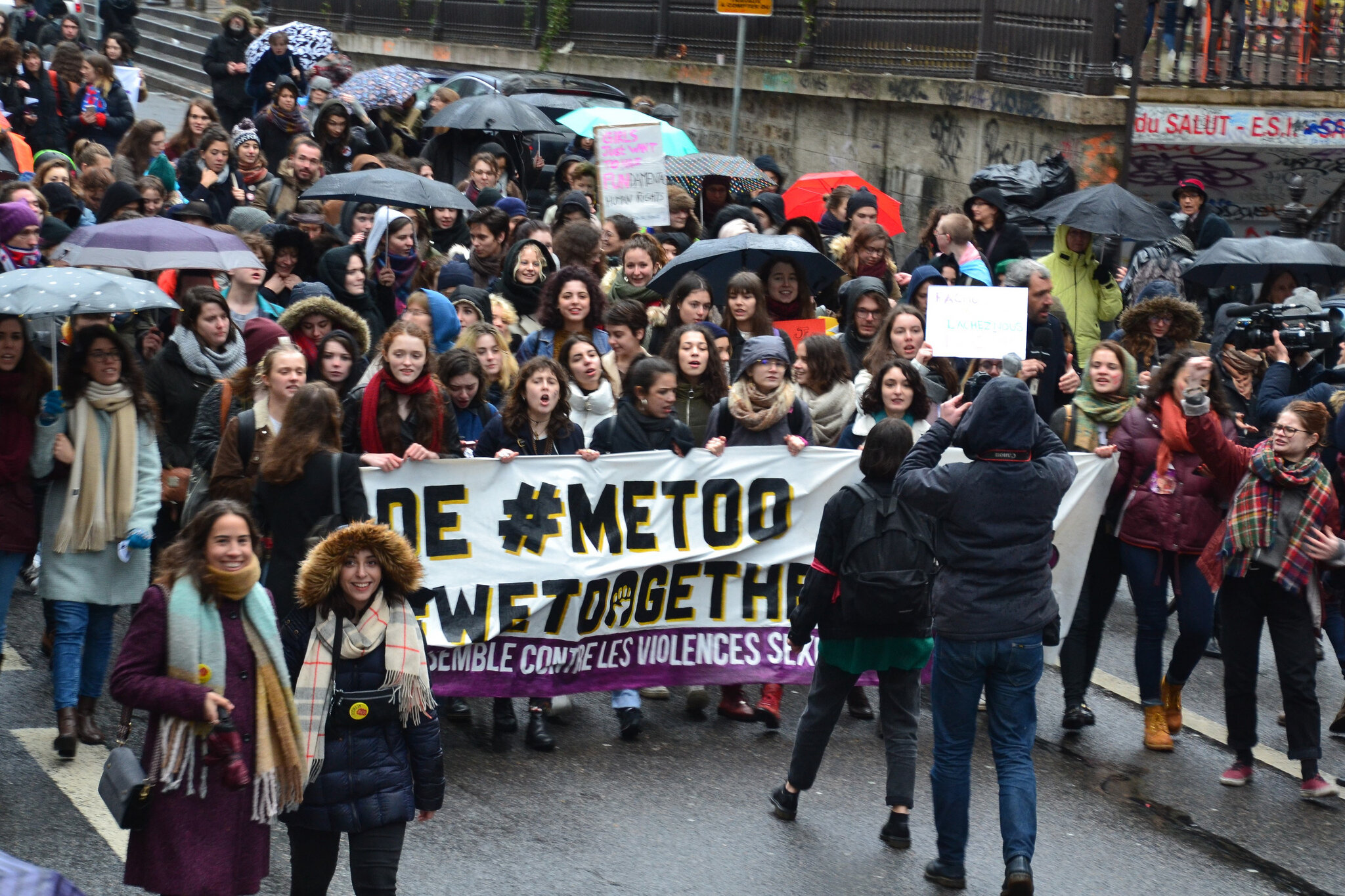
Pigs In Our Politics: The #MeToo Movement in France
By Alexandra Nicoletti
In this reflection on the experience of living and studying abroad as an American in France, Alexandra Nicoletti explores the complex process of cultural translation involved when the #MeToo movement crosses the Atlantic.