GAIA GUATRI
BIO
Gaia Guatri is an Italian activist, writer and video maker studying anthropology and international relations at the University of Sussex. At the start of the Covid-19 pandemic, she found a camera on the ground and realized her passion for street photography and storytelling. She shot her first documentary, “Collective Care” (2020), on a network of solidarity groups in Milan during the lockdown. She has collaborated with some high ranking research programs worldwide, such as the Chicago College Summer Institute (2021), and in the academic year of 2022, she is studying journalism and politics at the University of Hong Kong, where she focuses on social and gender inequality and migration.
Connect With Contributor
Instagram: @gaiulla
Contributions
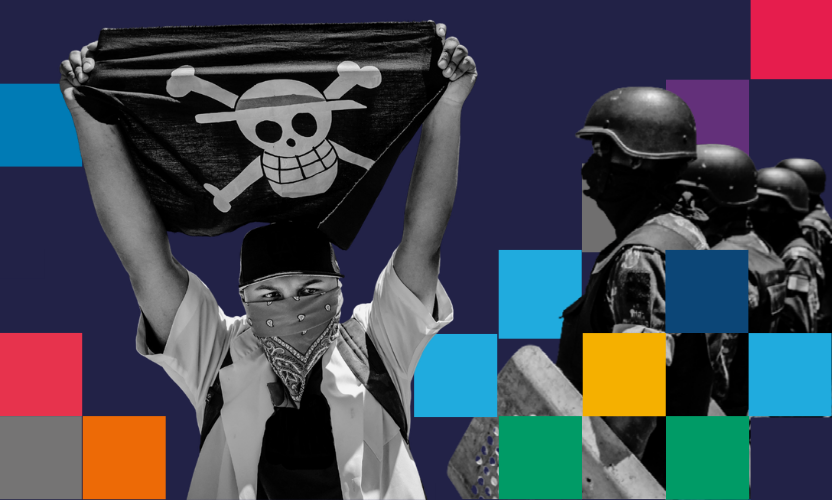
In the first installment of her mini-series, Defending the Defenders: The Global Rise of Legalized Repression, Gaia Guatri examines how repression is evolving to encompass lawfare, judicial harassment, detention, and other forms of “legal containment.”
Which stories from our global network of grassroots journalists topped the list this year?
Germany’s political landscape is undergoing a significant transformation.
In this piece for Turning Point magazine, Gaia Guatri and Shekufe Ranjbar explore the ongoing struggles of Iranian women in the years since the start of the 2022 “Woman, Life, Freedom” movement and the subsequent wave of state repression.
As Europe grapples with an aging population and declining birth rates, migrant women have become indispensable to the care work industry; filling critical gaps in caregiving roles. According to the International Labor Organization (ILO), there are approximately 169 million international migrant workers worldwide, with nearly 80% of women in this workforce employed in the services sector, including care work.
'We have two options now: dying or dying.'
This was a text message that Salahaldin (Salah) Eleyan received from his brother from Northern Gaza, Palestine.
Every Sunday, a warming atmosphere spreads out in Victoria Park, a green spot in the centre of Hong Kong where groups of foreign domestic workers (FDWs) spend their one day off. Since in Hong Kong, domestic workers are forced by law to live in their employers’ houses, they often find themselves trapped in their workplace. For this reason, on Sunday, they gather in Victoria Park to share their skills and celebrate life in all its forms.
Gaia Guatri reports from Hong Kong, where several NGOs have called for the government to implement measures to check and provide acceptable living standards of foreign domestic workers (FDWs) during the COVID-19 pandemic.
In the second installment of her mini-series, Defending the Defenders: The Global Rise of Legalized Repression, Gaia Guatri explores how states and other powerful actors are increasingly constraining the work of journalism through law, violence, and intimidation.